

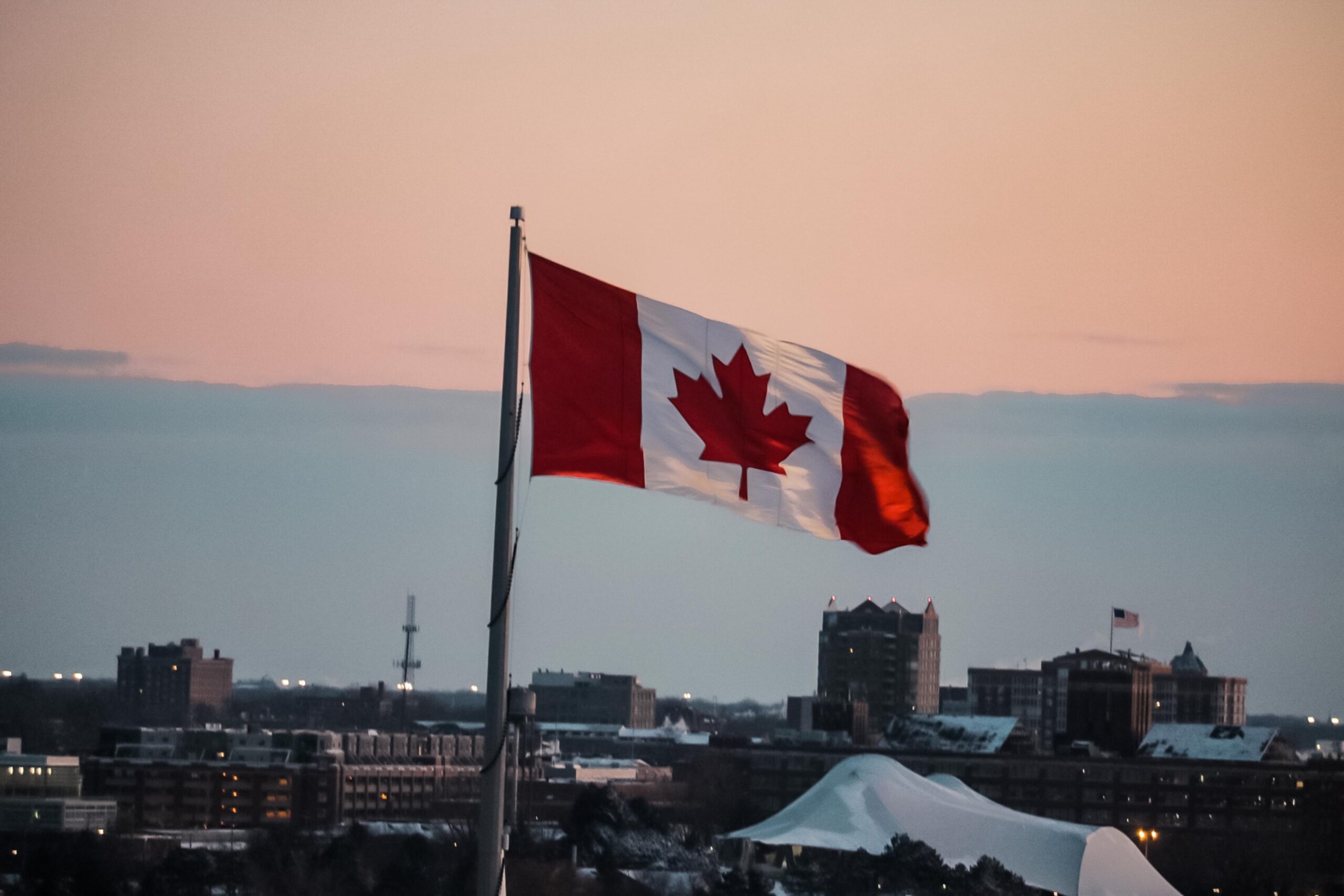
Navigating Family Sponsorship: Bringing Your Loved Ones to Canada
Family sponsorship is a pathway that allows Canadian citizens and permanent residents to sponsor their family members to immigrate to Canada.
Services in English, Armenian and Arabic
Programs
Each program has its own eligibility rules, evidence and obligations for the sponsor. The overview of all immigration pathways is on our immigration law page.

Permanent residence for a husband or wife, a common-law partner you have lived with for at least a year, or a conjugal partner abroad. The relationship must be genuine, and it’s proven with documents, not assertions.
Sponsoring a biological or adopted child who is under 22 and not a spouse or partner, or an older child who has depended on you since before 22 because of a physical or mental condition.
Permanent residence through the Parents and Grandparents Program, which only accepts applications from invited sponsors and is paused as of September 2026.
A multiple-entry visa that lets parents and grandparents stay with you for up to five years at a time, without applying for permanent residence.
The sponsor
Before anyone looks at the relationship, IRCC checks the person in Canada. A sponsorship refused because of the sponsor is usually a problem that could have been spotted at the first consultation.

You must be at least 18 and a Canadian citizen, a permanent resident, or a person registered under the Indian Act. Permanent residents have to live in Canada. A Canadian citizen living abroad can sponsor a spouse, partner or dependent child if they show they will live in Canada once the sponsored person becomes a permanent resident. For spouses, partners and children there is generally no minimum income, unless the person you sponsor has a dependent child who has children of their own.
IRCC’s sponsor eligibility rules list situations that bar a sponsorship. The ones we see most often:
Several of these depend on dates and details, so we confirm them from your documents rather than from memory.
Every sponsor signs an undertaking to repay any social assistance the sponsored person receives. It lasts three years for a spouse or partner, and ten years or until age 25, whichever comes first, for a dependent child. It stays in force for the whole period even if you separate or divorce, so it deserves a careful read before you sign.
Why Wannes Law
Rosalie Wannes, licensed by the Law Society of Ontario, is responsible for your file from start to finish.
Instant online quotes and published flat fees, so you know the cost before you retain us.
Plain-language explanations of what happens, what you provide and what we handle, at every stage.
Reach your lawyer and law clerk directly by phone and email while your matter is underway.
Meet at our Sheppard Ave E office in Toronto, or review documents by video and courier the originals.
Talk through your matter in the language you are most comfortable with.
The relationship
The category you apply under decides what you have to prove. The evidence then has to show a real relationship, not just a legal one.

A spouse is someone you are legally married to; the marriage must be legally registered where it took place. A common-law partner has lived with you in a conjugal relationship for at least 12 consecutive months, with only short periods apart. A conjugal partner is a narrower category for someone living outside Canada, in a committed relationship with you for at least a year, who could not live with you or marry you because of legal, immigration, religious or similar barriers. Couples who could have married or moved in together usually don’t qualify as conjugal partners. Common-law couples sign a statutory declaration of their relationship, which we can commission at our Toronto office.
Under section 4 of the Immigration and Refugee Protection Regulations, a person isn’t considered your spouse or partner if the relationship was entered into primarily to gain status in Canada, or if it isn’t genuine. Either one is enough for a refusal, so the application has to answer both.
The person you sponsor must declare all their family members, and so must you when you immigrated. Under section 117(9)(d) of the Regulations, a family member you didn’t declare and have examined when you became a permanent resident generally can’t be sponsored later as a member of the family class. If that applies to you, we look at the options before anything is filed.
Inside or outside Canada
Spouses and common-law partners can be sponsored under two classes. The choice affects travel, work and what happens if the application is refused.

This class is for a spouse or common-law partner who lives with you in Canada and has valid temporary status, or is exempt from needing it. While the application is processed, they may be able to apply for an open work permit for sponsored spouses and partners once IRCC confirms receipt of the permanent residence application, or earlier if their current permit expires within two weeks. The inland route suits couples who plan to stay in Canada together. Leaving is risky: IRCC warns that a partner who leaves before becoming a permanent resident may not be allowed back in.
This work permit is different from the open work permits for spouses of foreign workers and students, which IRCC narrowed in January 2025 to spouses of workers in certain occupations and of students in certain programs. A sponsored spouse who already holds one of those permits may want to keep it valid while the sponsorship is processed.
Outland applications are processed through IRCC’s overseas network. They are used when the partner lives outside Canada, or lives here but expects to travel during processing. Conjugal partners and dependent children are always sponsored in this class. If an outland application is refused, the sponsor can usually appeal to the Immigration Appeal Division, which can consider the evidence afresh and, in some cases, humanitarian factors.
An inland refusal has no appeal to the Immigration Appeal Division; the only route is an application to the Federal Court for judicial review, with a short deadline. IRCC’s complete sponsorship guide (IMM 5289) sets out how to choose. We weigh the partner’s current status, travel plans, work needs and any weak points in the file before recommending one.
Parents and grandparents
With the sponsorship program paused, most families in the GTA who want their parents here for long stretches are looking at the super visa.

The program only accepts applications from sponsors IRCC invites. As of September 2026, IRCC says it has paused the program and is not accepting new interest to sponsor forms. When it runs, sponsors must meet a minimum income over several tax years and sign a 20-year undertaking. If you submitted an interest form in an earlier year, keep your address and email up to date with IRCC so an invitation isn’t missed.
A super visa is a multiple-entry visa for parents and grandparents of Canadian citizens, permanent residents and registered Indians. It can be valid for up to ten years and allows stays of up to five years at a time. The super visa requirements include:
The officer must still be satisfied that your parent will leave at the end of their stay, so ties to their home country matter here as they do for any visitor visa.
How it works
The same four steps apply to spousal, partner and child sponsorships and to super visas; the documents differ.

We review your status, both of your immigration histories, any earlier sponsorships and the relationship itself, then confirm you are eligible to sponsor and recommend the class or program. Tell us about previous refusals, earlier marriages and any criminal charges now; they are easier to deal with before filing than after.
You receive a list specific to your program and category. We help you choose relationship evidence that tells the story across time rather than sending everything you have, and flag anything that needs a written explanation.
We prepare the sponsor and applicant forms, then check every date, address and job against each other and against what either of you has told IRCC before. Documents not in English or French need certified translations.
The application is submitted online and you’re told what comes next: biometrics, the medical exam, police certificates, and possibly an interview. If an open work permit is available to an inland spouse, we prepare it once IRCC acknowledges the sponsorship.
Avoiding refusals
Most refused sponsorships we review fall into a small number of patterns. Most can be prevented before filing, or answered when the officer raises them.

Received a refusal or a procedural fairness letter? Contact us the day it arrives so the deadline can be met. Our plain-language guide to family sponsorship covers the basics.
Fees

Fees depend on the program, the category and how much evidence work the relationship needs, so we quote after the consultation. You can describe your situation in the quote form. Government fees are separate and set by Immigration, Refugees and Citizenship Canada. See our legal fees page for how immigration matters are priced.
Guides
Family sponsorship is a pathway that allows Canadian citizens and permanent residents to sponsor their family members to immigrate to Canada.

As a Canadian immigration lawyer, I often get asked about the best ways for skilled workers to immigrate to Canada. One of the most…
Questions

Canadian citizens, permanent residents and registered Indians aged 18 or older may be able to sponsor a spouse, common-law or conjugal partner and dependent children, and parents or grandparents when that program is open. You must also not be barred, for example by a recent sponsorship of your own or unpaid family support.
Inland suits couples living together in Canada who don’t plan to travel, and may let the sponsored partner get an open work permit. Outland allows travel and, if refused, an appeal to the Immigration Appeal Division. The right choice depends on status, travel plans and the strength of the file.
A spouse or common-law partner living with you in Canada and sponsored in the inland class may be able to get an open work permit once IRCC acknowledges receipt of the permanent residence application. They need valid status, or to be eligible to restore it.
Not as a common-law partner: that requires 12 consecutive months of living together. Depending on your situation, marriage or, in narrow cases, the conjugal partner category may apply. We look at the facts before you choose.
It continues. The undertaking lasts its full term, three years for a spouse or partner, even if the relationship ends, and the sponsor remains responsible for repaying social assistance the sponsored person receives in that period.
As of September 2026 the Parents and Grandparents Program is paused and not accepting new interest forms. A super visa, which allows stays of up to five years at a time, is often the practical alternative.
A letter from IRCC explaining a concern, such as doubts about the relationship or a possible misrepresentation, and giving you a deadline to respond before a decision is made. A careful written response with evidence can change the outcome, so get advice promptly.
Consultations are by phone, so you can speak with the lawyer from anywhere in Toronto or the GTA, in English, Armenian or Arabic, or meet at our office on Sheppard Ave E in Toronto.
Related
Areas We Serve
From our Toronto office we act for clients across the Greater Toronto Area, including Durham, York and Peel regions: Markham, Richmond Hill, Pickering, Ajax, Whitby, Oshawa, Mississauga and Brampton.
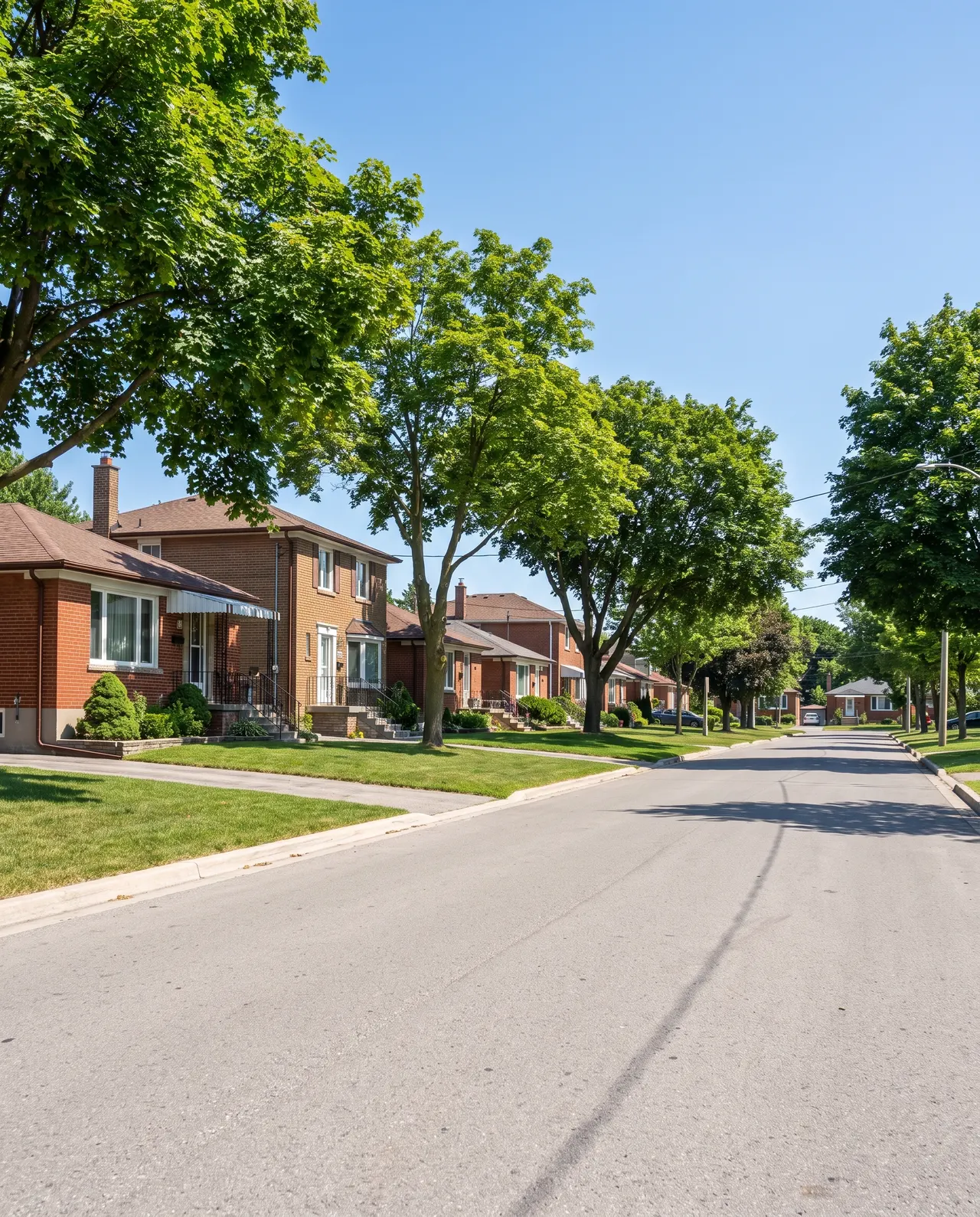
Immigration lawyer for Scarborough clients. Our office is on Sheppard Ave E.
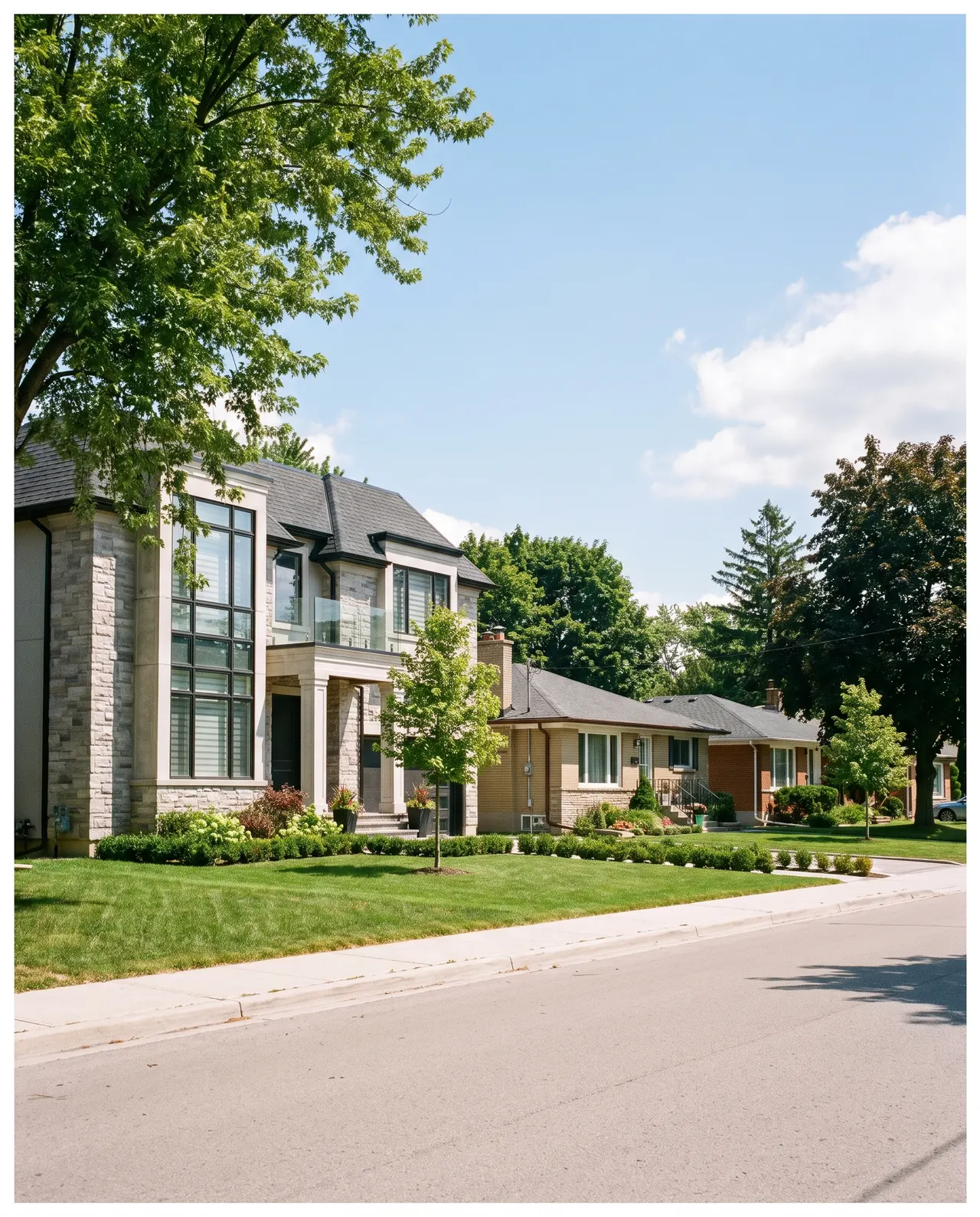
Immigration lawyer for North York clients.
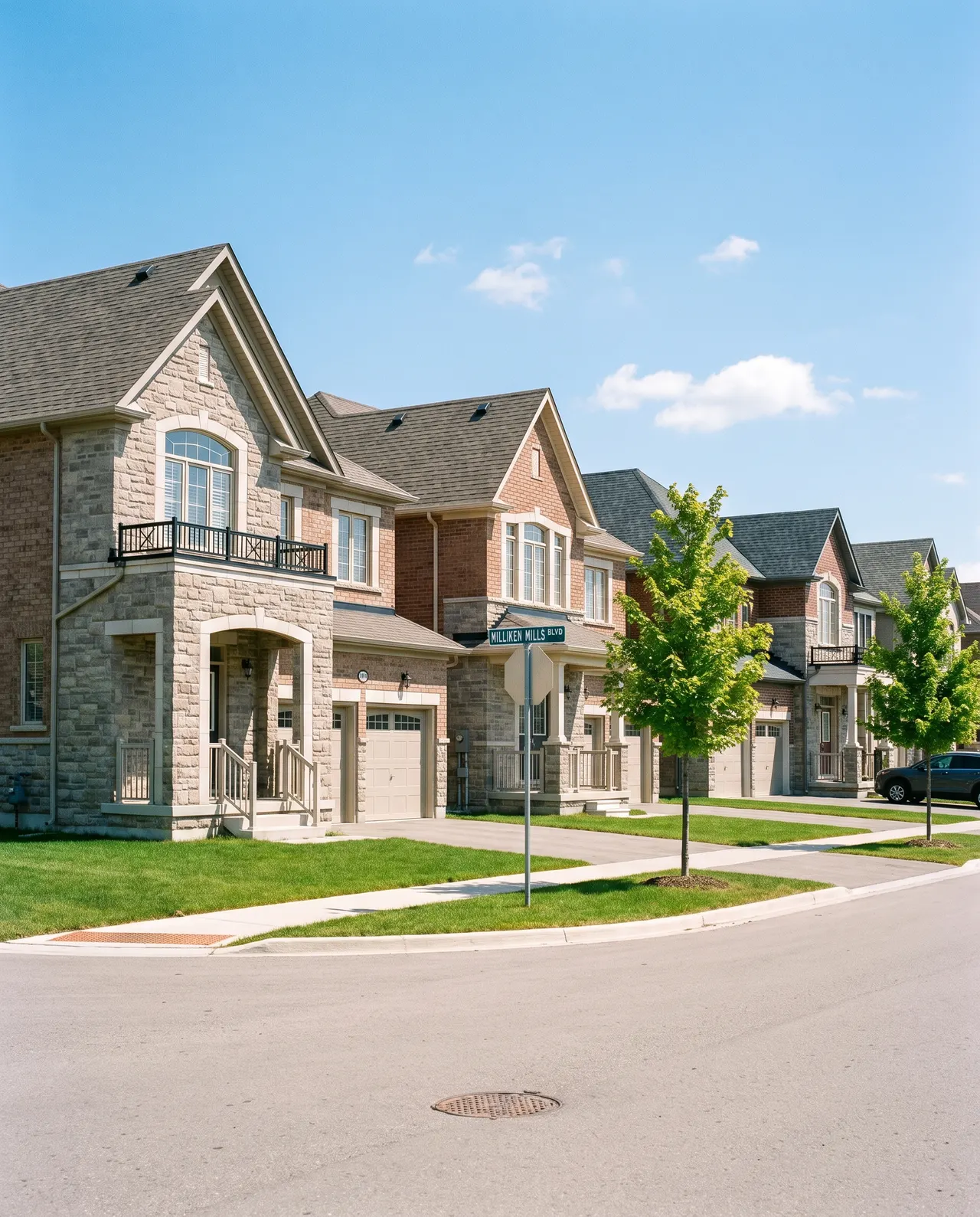
Immigration lawyer for Markham clients.

Here to help
Book a free 15-minute call to start.
Prefer to talk now? Call (647) 707-7718 · Service in English, Armenian and Arabic
