

What’s considered
Factors decision-makers look at
Every application is assessed on its own facts, and the officer weighs all the circumstances together rather than scoring them one by one. The factors that come up most often:
Your life in Canada
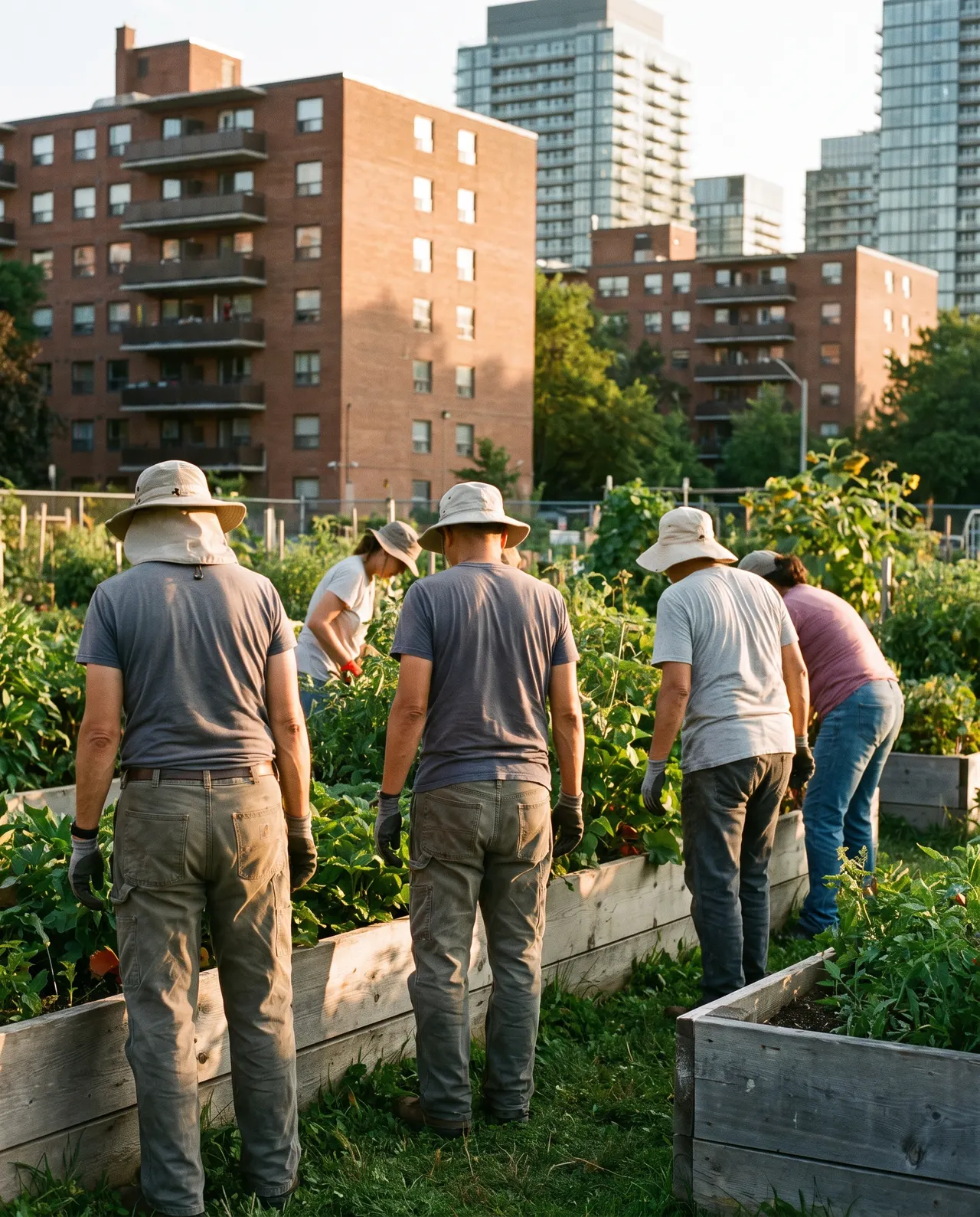
- Establishment: how long you have lived here, steady work, paying taxes, savings or property, study, volunteering, and community and religious ties
- Family in Canada, especially relatives who depend on you or you on them
- How you came to be here without status, and what you have done since
Leaving Canada
- The hardship you would face if you had to leave: loss of work and community, separation from family, discrimination, and conditions in your home country
- Health, including whether necessary treatment is available there
- Family violence, and the situation of anyone who would be affected by your departure
Children
- The best interests of any child directly affected, whether or not the child is yours and whether or not they are Canadian
- The child’s age, schooling, health, and ties to Canada and to the other country
- What would happen to the child if you left, with them or without them
The cost and inconvenience of leaving Canada to apply through a regular program isn’t, by itself, a reason to grant an exemption. The application has to show more.
The legal basis
What an H&C application is, and what it isn’t
H&C is an exception to the ordinary rules, not a separate program with its own checklist. Understanding what the officer can and can’t consider shapes the whole application.

An exemption from the rules
Section 25 of the Immigration and Refugee Protection Act lets the Minister grant permanent residence, or an exemption from any requirement of the Act, where humanitarian and compassionate considerations justify it, taking into account the best interests of a child directly affected. In practice, most applications are made from inside Canada by people who don’t qualify under any other class. You must say clearly which requirements you need to be exempted from, for example not having status, or applying from inside Canada, and explain why.
A discretionary decision
There is no points grid and no guaranteed result. The Supreme Court of Canada has said officers must look at all the relevant circumstances together and ask whether they would move a reasonable person to relieve another’s misfortune, rather than applying a rigid test. That leaves room for a well-presented case, and it also means a thin application can be refused even when the circumstances are sympathetic.
What it can’t be used for
- It isn’t a risk assessment. For applicants in Canada, the officer can’t consider the factors decided in a refugee claim, such as persecution or risk to life, although the officer must still consider hardship, including discrimination and country conditions. Fear of persecution belongs in a refugee claim or a pre-removal risk assessment.
- It doesn’t stop removal. IRCC says applying won’t delay a removal already scheduled.
- Some people can’t use it at all: those inadmissible on security grounds, for human or international rights violations, under sanctions, or for organized criminality.
- There is no appeal. A refusal can only be challenged by judicial review in the Federal Court, with leave and a short deadline.
If another route may work, such as a spousal sponsorship from inside Canada, it’s usually considered first.
Why Wannes Law
A Toronto law firm that keeps you informed
-
A licensed Ontario lawyer
Rosalie Wannes, licensed by the Law Society of Ontario, is responsible for your file from start to finish.
-
Fees before you commit
Instant online quotes and published flat fees, so you know the cost before you retain us.
-
Every step explained
Plain-language explanations of what happens, what you provide and what we handle, at every stage.
-
Direct access
Reach your lawyer and law clerk directly by phone and email while your matter is underway.
-
Sign in person or remotely
Meet at our Sheppard Ave E office in Toronto, or review documents by video and courier the originals.
-
English, Armenian and Arabic
Talk through your matter in the language you are most comfortable with.
Timing
When you can apply: one at a time, and the refugee-claim bars
Section 25(1.2) of the Act lists situations in which IRCC may not even examine an H&C request. Checking these first avoids paying for an application that can’t be considered.

One application at a time
You can’t have more than one H&C application under consideration. If you have one pending and your circumstances change, for example a child is born or you are diagnosed with a serious illness, the new evidence is added to the existing file as an update rather than filed as a second application.
If you made a refugee claim
- While the claim is pending before the Refugee Protection Division or the Refugee Appeal Division, an H&C application can’t be examined. IRCC says you would have to withdraw the claim before your hearing to apply, which is a serious decision that needs advice first.
- If the claim was found ineligible to be referred to the Board and you have a pending application for protection (a pre-removal risk assessment), an H&C application can’t be examined while that is pending. This matters more since the 2026 changes to refugee claim eligibility.
- For 12 months after a negative decision. If your claim was rejected, withdrawn after evidence was heard, or abandoned, the 12 months generally run from the last decision of the Board or the Federal Court on that claim.
Exceptions to the 12-month bar
The 12-month bar doesn’t apply if removal would put your life at risk because your country can’t provide adequate health or medical care, or if removal would adversely affect the best interests of a child directly affected. IRCC summarises these rules on its page about humanitarian and compassionate grounds after a refugee claim. The application also isn’t considered until the fee is paid.
Building the case
Establishment, hardship and the best interests of the child
Officers decide on paper. Anything you don’t prove with documents, or explain in the submissions, is unlikely to carry weight.

Establishment
Show a life built over time: employment letters and pay records, notices of assessment from the Canada Revenue Agency, leases, bank statements, diplomas and course records, and letters from employers, landlords, faith communities and organisations you volunteer with. Letters are strongest when they are specific: how long the writer has known you, what you do, and what would be lost if you left. If you worked without authorization at some point, that needs to be addressed honestly rather than hidden.
Hardship
Hardship has to be connected to you personally, not just described in general terms. Country reports help when they are tied to your circumstances: your age, gender, health, family situation, how long you have been away, and whether you have anyone or anything to return to. Medical evidence should come from a treating professional and say what treatment you need and what would happen without it.
Best interests of the child
Where a child is directly affected, the officer must identify and examine the child’s interests with real attention. Useful evidence includes school records and report cards, letters from teachers and doctors, and where relevant, a professional assessment of how separation or relocation would affect the child. IRCC’s H&C application guide (IMM 5291) lists the factors officers consider, including the child’s age, establishment in Canada, health and schooling. The child’s interests are important, but they don’t automatically outweigh everything else.
The written submissions
A clear written submission ties the evidence to the factors, identifies the exemptions requested, and deals openly with the difficult facts in your history. It’s where most of our work on an H&C file goes.
How it works
Preparing an H&C application
An H&C application takes longer to prepare than most immigration files, because the evidence is personal and has to be gathered from many sources.

-
Step 1: Consultation
We review your whole immigration history in Canada, any refugee claim and its dates, any removal order, and your family situation. Then we check whether a timing bar applies and whether another route, such as a sponsorship, would be stronger. Consultations are confidential and by phone, in English, Armenian or Arabic.
You provide
- Passports and every immigration document you have
- Refugee claim decisions, if any
- Any removal or departure documents
-
Step 2: Building the evidence
You receive a list tailored to your circumstances. We tell you which documents carry the most weight and help you ask the right people for letters, so your circumstances are documented, not just described.
You provide
- Proof of establishment: employment, tax, education, community involvement
- Documents about children or dependants
- Medical evidence where health is a factor
- Letters of support
-
Step 3: Preparing the application
We prepare the forms and the written submissions, specify the exemptions requested, and organise the evidence so each factor is clearly presented. Family members outside Canada must still be declared.
We handle
- Forms and exemption requests
- Written submissions
- Indexed evidence package
-
Step 4: Submission and follow-up
The application is submitted online and you’re told what to expect while it is assessed. We send updates to IRCC when important new evidence arises and respond to any request for further information.
After you apply
Stage one, stage two, and if the answer is no
An in-Canada H&C application is decided in two stages. Knowing what each one means helps you plan your life while you wait.

Stage one: the exemption
The officer first decides whether humanitarian and compassionate considerations justify the exemptions you asked for. A positive decision is called approval in principle. Under section 233 of the Immigration and Refugee Protection Regulations, a removal order against you and your family members is then stayed until a final decision is made on permanent residence. Until that point, filing an H&C application does not by itself stop a removal.
Stage two: admissibility
You still have to meet every requirement you weren’t exempted from. That normally means an immigration medical exam, security and criminality checks, identity documents, and, for family members, their own admissibility, even if they are not being processed with you. Keep IRCC informed of any change of address and answer requests on time; a missed request can end an otherwise strong application.
If the application is refused
There is no appeal. You can ask the Federal Court for leave to seek judicial review, and for a decision made in Canada the deadline is 15 days. A new H&C application with stronger evidence is sometimes the better route, once the first is no longer pending. Contact us as soon as a decision arrives. The other options, including temporary resident permits, are summarised on our immigration law page.
Fees
Priced to your application

H&C applications differ widely in the evidence and submissions required, so we quote after the consultation. You can describe your situation in confidence in the quote form. Government fees are separate. See our legal fees page for how immigration work is priced.
Questions
H&C questions

What is a humanitarian and compassionate application?
An application for permanent residence, usually from within Canada, asking for an exemption from requirements you don’t meet because of your circumstances, such as your establishment in Canada, the hardship you would face if you had to leave, and the best interests of any child directly affected.
Is an H&C decision guaranteed?
No. H&C decisions are discretionary: the officer weighs all your circumstances together, and there is no points threshold. That’s why presenting and documenting your circumstances clearly matters.
Can I apply for H&C while my refugee claim is pending?
No. An H&C application can’t be examined while a refugee claim is pending before the Refugee Protection Division or Refugee Appeal Division. Withdrawing a claim to apply is a serious step, so get advice before deciding.
My refugee claim was refused. How long must I wait?
Generally 12 months from the last negative decision on the claim, by the Board or the Federal Court. The wait doesn’t apply if removal would harm the best interests of a child directly affected, or put your life at risk because adequate medical care isn’t available in your country.
Will an H&C application stop my removal?
Not on its own. IRCC says applying doesn’t delay a scheduled removal. If you receive approval in principle at stage one, a removal order is stayed until the final decision on permanent residence.
Can I include my risk of persecution?
For applications made in Canada, the officer can’t consider the refugee-protection risk factors, which belong in a refugee claim or pre-removal risk assessment. The officer must still consider hardship, including discrimination and conditions in your home country.
Can I file a second H&C application?
Not while the first is still under consideration: only one can be pending at a time. New evidence should be sent as an update to the existing file. After a refusal, a new application is possible if the other conditions are met.
Where do we meet?
Consultations are by phone, so you can speak with the lawyer confidentially from anywhere in Toronto or the GTA, in English, Armenian or Arabic, or meet at our office on Sheppard Ave E in Toronto.
Related
Other immigration services
Areas We Serve
Serving clients across Toronto and the GTA
From our Toronto office we act for clients across the Greater Toronto Area, including Durham, York and Peel regions: Markham, Richmond Hill, Pickering, Ajax, Whitby, Oshawa, Mississauga and Brampton.
-
Scarborough
Immigration lawyer for Scarborough clients. Our office is on Sheppard Ave E.
-

North York
Immigration lawyer for North York clients.
-

Markham
Immigration lawyer for Markham clients.


Here to help
Talk it through confidentially.
Book a free 15-minute call.
Prefer to talk now? Call (647) 707-7718 · Service in English, Armenian and Arabic