

What we need
Three facts shape every transfer
A transfer between family members looks simple: no agent, no price, often no new lender. The legal work is in the consequences: land transfer tax, income tax, the mortgage, and what happens to the home if someone dies or separates. For homeowners in Scarborough, across Toronto and the GTA.

Tell us
- Who is being added to title, and who is being removed
- The ownership percentage each owner holds now
- The ownership percentage each owner will hold after the transfer
- Whether anyone is paying for their share, or taking on part of the mortgage
- Whether the owners are spouses, and whether anyone is separating
- Whether the home is anyone’s principal residence
Included
- Preparation of the transfer (deed) documents
- Title search
- Land transfer tax statements, including any exemption
- Review of the existing mortgage: arranging its discharge or assumption
- New mortgage documents, if applicable
- Direct access to your lawyer and law clerk by phone and email
- Reporting letter and post-closing follow-up
How it works
The transfer, step by step
A straightforward transfer between family members can be registered within a few weeks. If a lender has to approve a new borrower, or a refinance is part of it, the lender’s timeline sets the pace.

-
Step 1: A short call about the change
Why the transfer is happening affects the documents, the lender’s consent and whether land transfer tax applies. We find out before quoting, and flag anything you should take to your accountant first.
You provide
- Names of the current and new owners
- The mortgage statement, if there is one
-
Step 2: Title and mortgage review
We search title and review the mortgage. Most mortgages require the lender’s consent to a change in ownership, and a person joining title usually has to be approved by the lender as a borrower or guarantor. If an owner is leaving, the lender has to agree to release them, or the mortgage is refinanced.
We handle
- Title search
- Mortgage review and lender contact
-
Step 3: Documents and signing
We prepare the transfer, the land transfer tax statements and any new mortgage or discharge, and explain each to everyone signing. Every party’s identity is verified. Sign at our office or by video.
-
Step 4: Registration
We register the transfer electronically, with the new mortgage or discharge if there is one, pay any land transfer tax, and send you a reporting letter with the registered documents.
Why Wannes Law
A Toronto law firm that keeps you informed
-
A licensed Ontario lawyer
Rosalie Wannes, licensed by the Law Society of Ontario, is responsible for your file from start to finish.
-
Fees before you commit
Instant online quotes and published flat fees, so you know the cost before you retain us.
-
Every step explained
Plain-language explanations of what happens, what you provide and what we handle, at every stage.
-
Direct access
Reach your lawyer and law clerk directly by phone and email while your matter is underway.
-
Sign in person or remotely
Meet at our Sheppard Ave E office in Toronto, or review documents by video and courier the originals.
-
English, Armenian and Arabic
Talk through your matter in the language you are most comfortable with.
Adding a spouse
Adding a spouse to title
The most common transfer we see: one spouse bought before the relationship, and the couple now want to own the home together.
Land transfer tax
A transfer between spouses isn’t automatically tax-free. Ontario exempts it only in three situations: where the only consideration is taking on a mortgage or other charge already registered on the land, where the transfer is made under a written separation agreement, or where it is made under a court order. “Spouse” here includes married spouses and couples who have lived together for at least three years, or in a relationship of some permanence with a child. If one spouse is also paying the other for the share, on top of taking on the mortgage, the exemption doesn’t fit and tax is calculated on the consideration. Ontario explains the land transfer tax rules for transfers between spouses. In the City of Toronto, including Scarborough and North York, the municipal land transfer tax must be considered as well; it has its own exemption rules, which we check.
Joint tenants or tenants in common
Couples usually take title as joint tenants, so the survivor owns the whole home automatically. Tenants in common each own a share that passes under their own will, which suits second marriages and blended families where each spouse wants their share to go to their own children. Whichever you choose, your wills should match it.
Income tax
Under federal tax rules, a gift of property to a spouse generally doesn’t trigger a capital gain at the time: the spouse takes over the original cost. But if the spouse later sells and the home isn’t sheltered as a principal residence, the gain can be attributed back to the spouse who gave it. The CRA sets out the rules on transfers of capital property. For a home you both live in, this is rarely an issue; for a rental or second property, ask your accountant first.
Adding a child
Adding a child to title, or giving a home to family
Parents often add an adult child to title to avoid probate or to help the child qualify for a mortgage. It can work, but it has costs that aren’t obvious.
Land transfer tax
A true gift, with nothing given in return, attracts no Ontario land transfer tax, because the tax is calculated on the consideration and the consideration is nil. But taking on a mortgage counts as consideration: if there is a mortgage on the home, tax is payable on the amount the child takes on, whatever the family relationship. Ontario explains how gifts and nominal-consideration transfers are taxed.
Income tax
Giving property to anyone other than a spouse is treated as selling it at fair market value. If the home is your principal residence, the exemption usually covers your gain on the share you give. The child’s share is a different matter: if the child doesn’t live there, any increase in value on their share can be taxable when the home is eventually sold.
What else changes
- Your child loses first-time buyer status. Ontario’s refund is only for buyers who have never owned an interest in a home anywhere, so a share of yours can cost them up to $4,000, or $8,475 in Toronto, when they buy their own.
- The child’s share can be exposed to the child’s creditors, bankruptcy or separation from their own spouse.
- You can no longer sell or mortgage the home without the child signing.
- If you are married and hold the home as joint tenant with a child rather than with your spouse, Ontario’s Family Law Act treats the joint tenancy as severed just before your death, so survivorship to the child doesn’t operate on the matrimonial home.
- When a parent adds an adult child without payment, the law presumes the child holds the share for the parent unless the parent intended a gift, so record the intention in writing.
Often the same goal is better met through your will and powers of attorney. Our wills and estates page covers the alternatives, and we can compare both before you transfer anything.
Separation
Transfers on separation and buying out a partner
When a relationship ends and one partner keeps the home, the transfer is only the last step. The terms are settled first, usually in a separation agreement.

The order of things
The division of property is negotiated between the spouses, usually with a family lawyer each, and recorded in a written separation agreement or a court order. Once the terms are signed, we handle the real estate side: the transfer of the departing spouse’s interest, any refinance needed to pay them out, and the discharge or assumption of the existing mortgage. Each spouse should have their own lawyer for the transfer too, since their interests are opposed.
Land transfer tax
A transfer between spouses or former spouses made under a written separation agreement, or under a court order, is exempt from Ontario land transfer tax, even where one spouse is paying the other out. A transfer made informally, without a written agreement, may not qualify, which is one practical reason to sign the agreement before registering the transfer.
The mortgage
Removing a name from title doesn’t remove it from the mortgage. The spouse who leaves stays liable to the lender until the lender releases them, or the mortgage is paid out through a refinance in the remaining spouse’s name alone. The lender will assess whether the remaining spouse qualifies on their own income.
While you are separated
A married spouse keeps an equal right to possession of a matrimonial home, and neither spouse can sell or mortgage it without the other’s consent, until an agreement or order says otherwise. If you own as joint tenants, ask your family lawyer whether to sever the joint tenancy while the separation is resolved, so the home doesn’t pass automatically to the other spouse if one of you dies.
After a death
When an owner dies: survivorship, estate transfers and other exemptions
How the home was owned decides what happens next, and whether probate is needed for it.
Joint tenants: a survivorship application
If the deceased owned the home as a joint tenant, the surviving owner already owns it by right of survivorship. The deceased’s name is removed from title by a survivorship application under the Land Titles Act, supported by proof of death, usually a death certificate, and a statement about the deceased’s spousal status. No land transfer tax is payable and probate isn’t needed for the home.
Sole owners and tenants in common
A home, or a share of one, that was owned alone or as a tenant in common forms part of the estate. The estate trustee deals with it under the will: transferring it to a beneficiary or selling it. Lenders, buyers’ lawyers and the land registry usually require a Certificate of Appointment of Estate Trustee first, and Estate Administration Tax is calculated on the estate’s value. Our probate and estate administration page explains the application, and our guide to what to do when someone dies in Ontario sets out the first steps.
Other exemptions
Some transfers qualify for specific land transfer tax exemptions. Farmland transferred between family members, or to or from a family farm corporation, can be exempt where it is used in a farming business and the conditions in Ontario’s family farm exemption are met. If the person receiving an interest is not a Canadian citizen or permanent resident, Ontario’s Non-Resident Speculation Tax, and in Toronto the municipal equivalent, can apply to a residential transfer, so raise that before anything is signed. Each exemption has to be claimed with the right statements on registration.
Fees
Quoted individually

Title transfers vary: a gift to a child, adding a spouse, a transfer under a separation agreement or a survivorship application each involve different documents, lender requirements and tax questions. Tell us about the transfer in the quote form, or book a free 15-minute call, and we quote it individually before you commit. Disbursements, such as government registration fees and any land transfer tax, are separate and itemised in writing. If a new mortgage is part of the change, the lender’s requirements are reviewed at the same time.
Questions
Title transfer questions
Can I add my spouse to title without paying land transfer tax?
Often, yes. Ontario exempts a transfer between spouses where the only consideration is taking on the existing mortgage, or where it is made under a written separation agreement or court order. If your spouse is also paying you for the share, tax is generally payable on that amount. In Toronto, the municipal tax is checked separately.
Do I pay land transfer tax if I give my house to my child?
Not on a true gift with no mortgage. If there is a mortgage and your child takes it on, tax is payable on the amount assumed. Income tax is a separate question: a gift to a child is treated as a sale at fair market value.
Should I add my child to title to avoid probate?
It can keep the home out of your estate, but your child loses first-time buyer status, their share is exposed to their creditors and separation, and you can’t sell or mortgage without them. Compare it with a will-based plan first.
Can I remove my ex-spouse from title?
Only with their signature on a transfer, or a court order. Once they sign under a separation agreement, the transfer is usually exempt from land transfer tax, but they stay on the mortgage until the lender releases them or it is refinanced.
Does the lender need to approve a title transfer?
Usually. Most mortgages require the lender’s consent to a change in ownership, and anyone added may have to qualify as a borrower or guarantor.
How do I take a deceased joint owner off title?
The survivor registers a survivorship application with proof of death, usually a death certificate. No land transfer tax is payable, and probate isn’t needed for that property.
What information do you need to quote?
Who is being added to or removed from title, the ownership percentage each owner holds now and will hold after, whether anyone is paying or taking on the mortgage, and whether the owners are spouses.
Related
Other real estate services
Areas We Serve
Serving clients across Toronto and the GTA
From our Toronto office we act for clients across the Greater Toronto Area, including Durham, York and Peel regions: Markham, Richmond Hill, Pickering, Ajax, Whitby, Oshawa, Mississauga and Brampton.
-
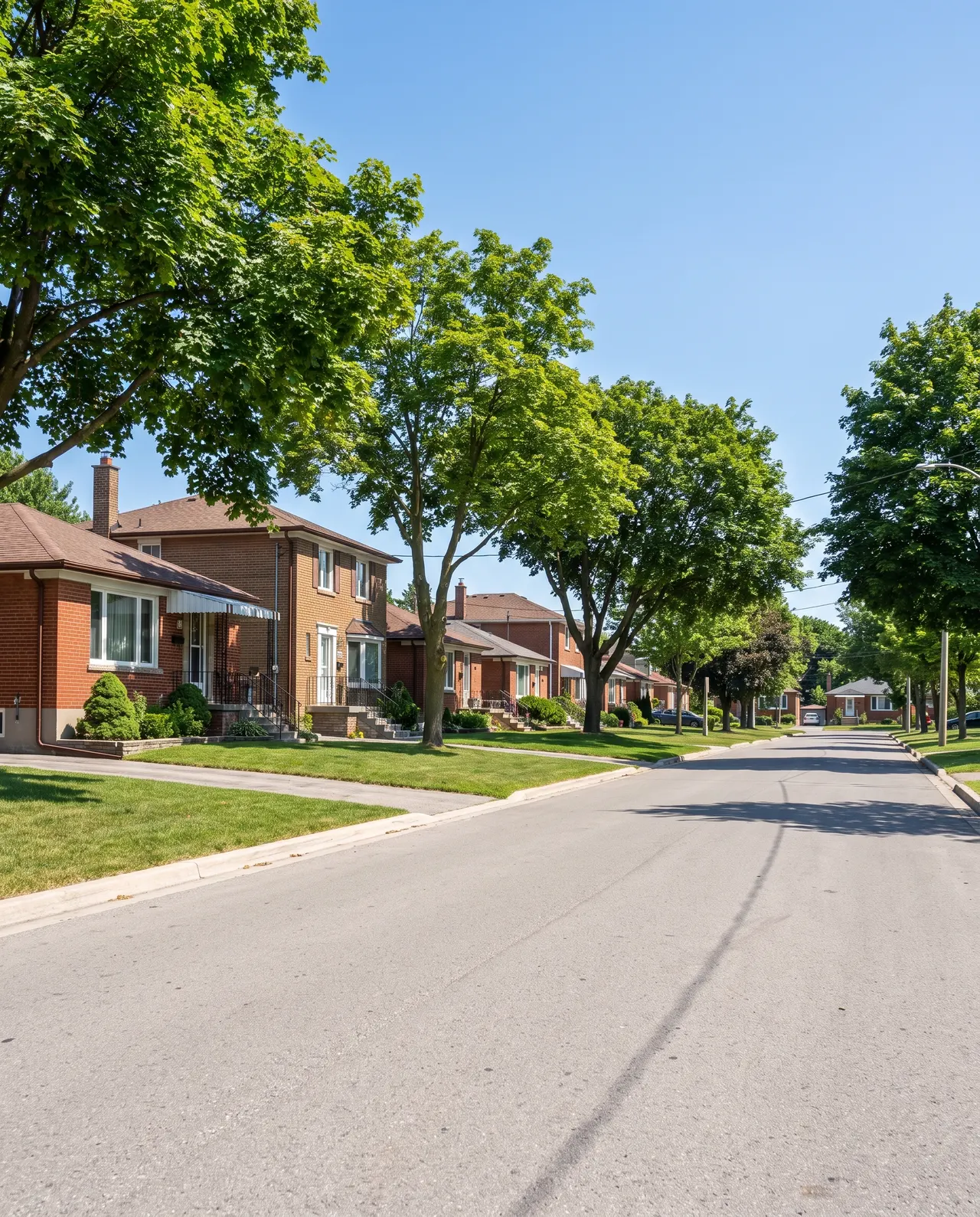
Scarborough
Real estate lawyer for Scarborough clients. Our office is on Sheppard Ave E.
-
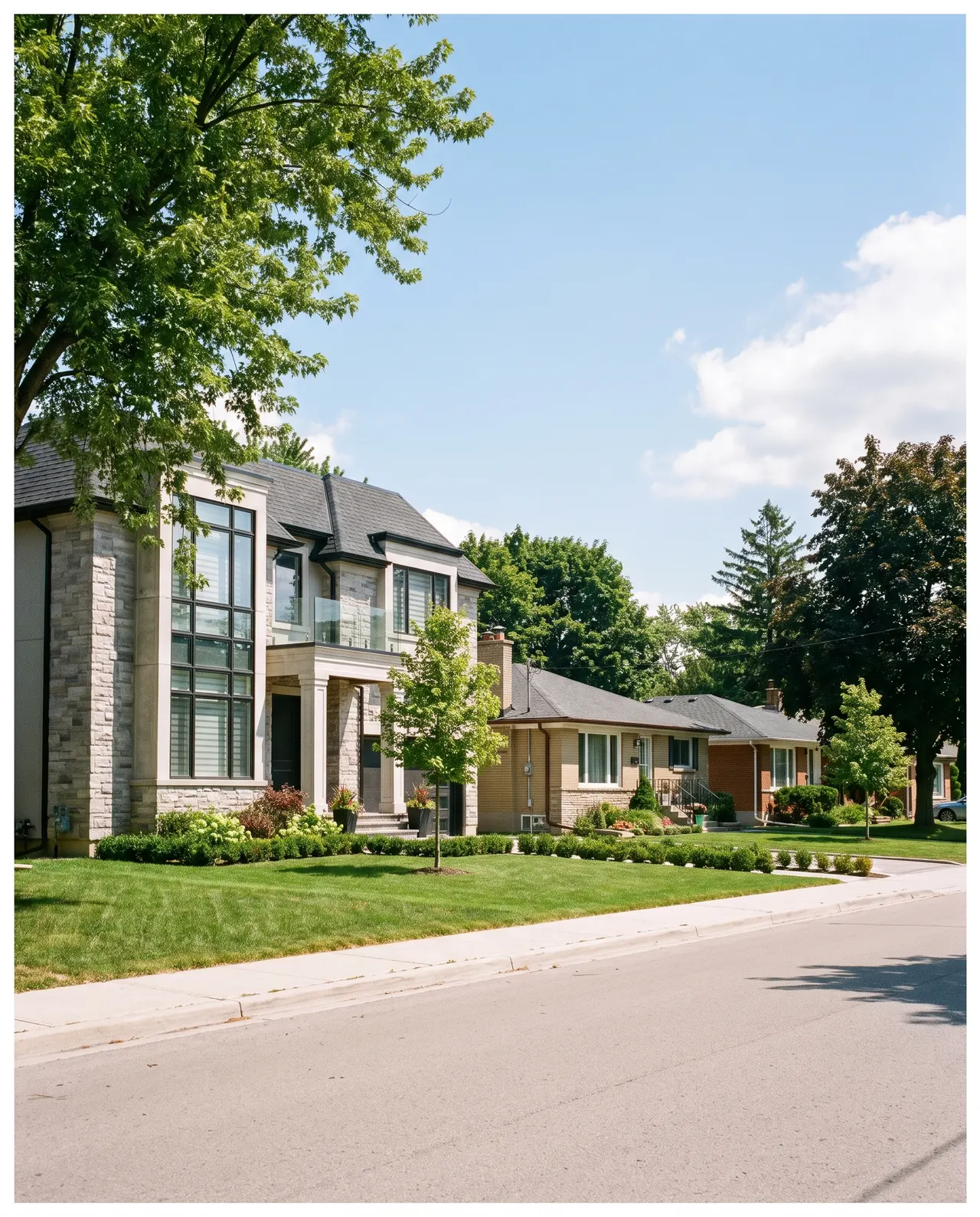
North York
Real estate lawyer for North York clients.
-
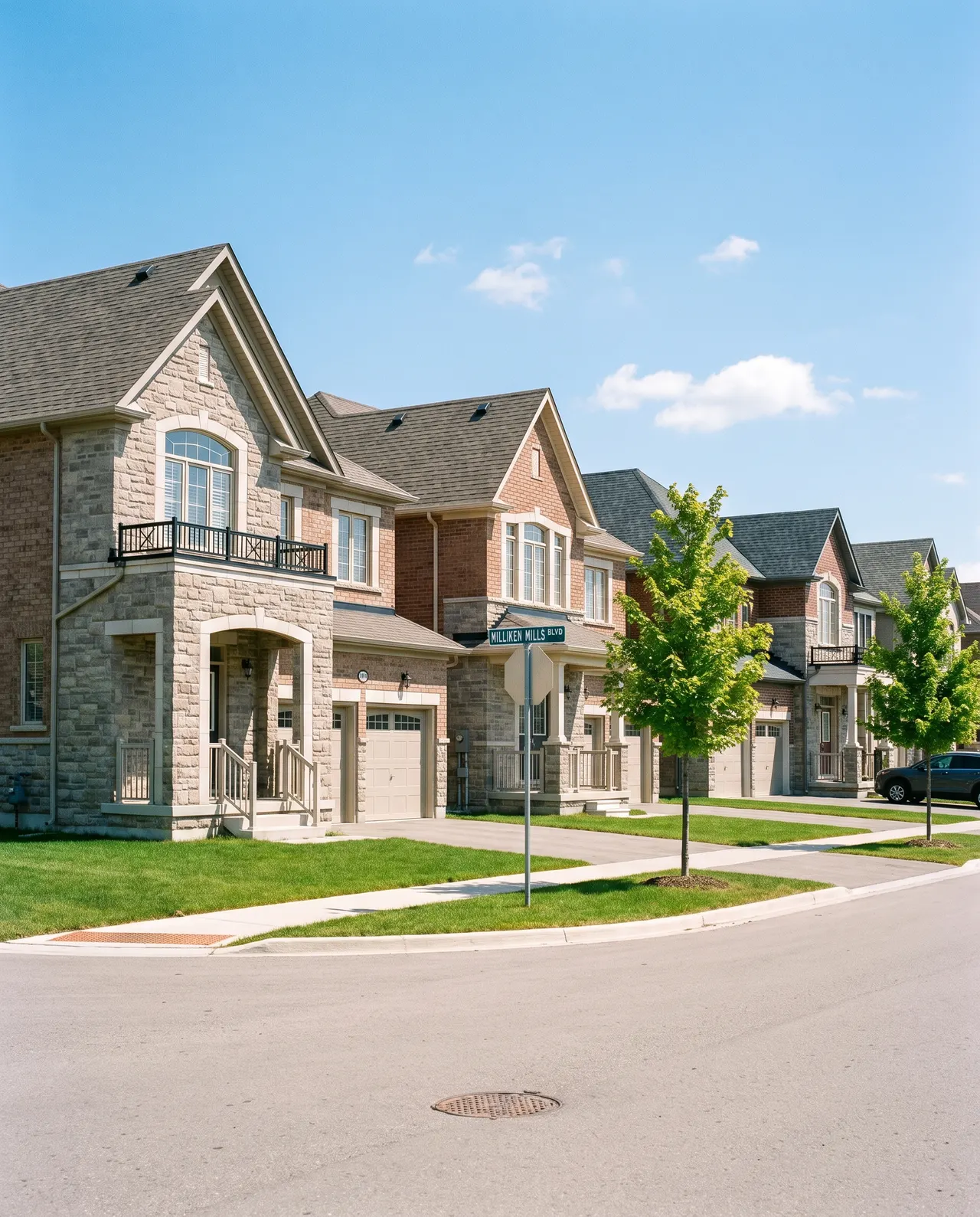
Markham
Real estate lawyer for Markham clients.


Here to help
Change title the right way.
Book a free 15-minute call to talk it through.
Prefer to talk now? Call (647) 707-7718 · Service in English, Armenian and Arabic