


Unlocking the Secrets to Smart Pre-Construction Home Buying in Toronto and the GTA
Considering a pre-construction home in Toronto or the GTA? You’re not alone in eyeing one of Canada’s hottest real estate markets. Pre-construction homes promise…
Services in English, Armenian and Arabic
Included
For buyers of new condos, townhouses and houses from builders across Toronto and the GTA, from Scarborough and North York to Vaughan, Markham and Pickering. The review is a flat $450 + HST, and it is done inside your cooling-off period.
How it works
Send the agreement the day you sign, or before if the builder will give you a copy. Ten days goes quickly when the package runs to a hundred pages.

The $450 + HST fee is confirmed up front. Upload the agreement with every schedule, the Tarion addendum and, for a condo, the disclosure statement, and tell us the date you received them.
The agreement is reviewed against what you expect to be buying and the commitments you take on before and after occupancy: the price and deposits, the adjustments, the dates, and what you can and can’t do with the unit before closing.
You receive written notes and recommendations, including the clauses you may want to ask the builder to change and the questions to put to the sales office.
We go through the notes by phone so you can decide whether to proceed, negotiate or rescind before your cooling-off period ends.
New construction often closes in two stages: interim occupancy, then final closing. If you retain us for the closing, title insurance is arranged at final closing, and the notes from your review are the starting point for checking the builder’s statement of adjustments.
Why Wannes Law
Rosalie Wannes, licensed by the Law Society of Ontario, is responsible for your file from start to finish.
Instant online quotes and published flat fees, so you know the cost before you retain us.
Plain-language explanations of what happens, what you provide and what we handle, at every stage.
Reach your lawyer and law clerk directly by phone and email while your matter is underway.
Meet at our Sheppard Ave E office in Toronto, or review documents by video and courier the originals.
Talk through your matter in the language you are most comfortable with.
Cooling-off periods
A cooling-off period lets you cancel a builder’s agreement for any reason and get your deposit back. It is short, and it only helps if the review happens inside it.
Under Ontario’s Condominium Act, when you buy a new condominium unit from the builder you can rescind within 10 days after you receive both a copy of the agreement signed by both you and the builder and the disclosure statement. The disclosure statement describes the project, the proposed budget and common expenses, and what is and isn’t part of the unit. If you receive it later than the agreement, the 10 days run from the later date. Rescission must be in writing, delivered to the builder within the period.
Until now there has been no statutory cooling-off period for a new freehold house or townhouse bought from a builder. That changes on January 1, 2027. For freehold agreements signed from that date, the builder must include Ontario’s new information sheet for buyers and the updated Tarion addendum, and the buyer has 10 days to rescind, counted from the latest of receiving the signed agreement and the required information. Tarion’s notice of the January 1, 2027 changes to builders’ forms sets out what builders must provide. If you sign a freehold agreement before 2027, have it reviewed before you sign: once it is signed, it binds you.
Ten days is enough for a careful review if the documents reach us early. It is not enough if they sit in an inbox for a week. Ask the sales office for the complete package before signing, including every schedule referred to in the agreement, and start the review in the quote form the same day. If the builder won’t change a clause that matters to you, you can still walk away within the period.
Tarion protection
Tarion administers Ontario’s new home warranty program. Its protection is real but capped, so it helps to know where the limits are before you commit your deposits.

Condo deposits must be held in trust, and Tarion protects up to $20,000 of them. For a freehold agreement, deposit protection is up to $60,000 on a home priced at $600,000 or less, and 10% of the price, up to $100,000, above that. Since April 1, 2026, freehold buyers must register their new home purchase with Tarion within 45 days of signing to keep the maximum coverage. Pre-construction condo deposit schedules in Toronto often add up to more than $20,000, so check how the builder secures the rest, such as deposit insurance, before you sign.
Once you take possession, the statutory warranty covers defects in work and materials for one year, items such as water penetration, electrical and heating systems for two years, and major structural defects for seven years. Deadlines for reporting items apply, and your pre-delivery inspection is where many problems are first recorded.
The Tarion addendum’s Statement of Critical Dates sets the dates that bind the builder. A tentative date can be extended by notice, within limits; a firm date can’t be moved without compensation, except for unavoidable delay or by agreement. If the builder misses a firm closing or occupancy date, you can claim delay compensation, including $150 a day for living expenses, up to $7,500 in total, and each agreement has an outside date after which you can end it and get your deposits back with interest. Tarion explains freehold closing delays and condo occupancy delays and cancellations. If a condo project is cancelled, Tarion can’t make the builder finish it; your protection is the return of your deposits.
The real price
The price on page one is not what you pay on closing. The schedules decide how much more.
A schedule to the agreement lists the charges added to the price on closing. Common ones include increases in development charges and education levies after you sign, utility and water meter connections, the Tarion enrolment fee, and charges for items such as tree planting, driveway paving or community amenities. Some are fixed amounts; others are open-ended. Ask for a cap on the total, or on development charge increases, before you sign: it is far easier to negotiate while the builder is still selling than after the project is sold out.
You usually move into a new condo before the building is registered as a condominium. Until final closing you pay a monthly occupancy fee made up of interest on the unpaid balance, estimated common expenses and estimated property tax. None of it reduces your price, and final closing, when title transfers and your mortgage is registered, can come months later. Check whether the agreement lets you rent the unit during occupancy; many don’t.
New homes carry HST, usually included in the price, with the builder taking an assignment of your rebates. If you turn out not to qualify, for example because you won’t live there, the agreement usually lets the builder charge the rebate amount back to you on closing. As of 2026, first-time buyers may qualify for the federal GST/HST new home rebate, and Ontario offers a temporary enhanced rebate for agreements signed between April 1, 2026 and March 31, 2027; our real estate law page sets out both. Land transfer tax is calculated at final closing.
A mortgage approval rarely lasts until a closing years away. Your lender will assess you again, and the unit will be appraised, near closing. If the appraisal comes in below the price, you make up the difference.
Selling before closing
Plans change over the years between signing and closing. The agreement decides how easily you can get out, and what it costs.
An assignment transfers your rights under the agreement to a new buyer before closing. Most builders’ agreements forbid it without the builder’s written consent, charge an assignment fee, and restrict how you may advertise it, often banning MLS listings until the builder has sold out. Some allow one free assignment to a family member. Read the clause before you sign, not when you need it.
Since May 7, 2022, assignment sales of new homes are taxable for GST/HST, and the tax applies to the whole assignment price, including the part that represents your deposit; the CRA explains GST/HST on assignment sales. A right to buy a home held for less than 365 days also falls under the federal residential property flipping rule, so the profit is generally taxed as business income. Get tax advice before you list an assignment.
Failing to close a firm pre-construction agreement puts your deposits at risk and can leave you liable for the builder’s losses on resale. If your finances change, talk to a lawyer early: an assignment, a negotiated amendment or a different closing arrangement is usually better than default. Our guide to pre-construction home buying in the GTA covers planning ahead.
Fees
Testimonials
Recently got a purchase agreement reviewed with Wannes Law, Rosalie is awesome. She attended to all our questions and did not rush the process. Highly recommend her services to anyone looking for legal advice.
Guides
Considering a pre-construction home in Toronto or the GTA? You’re not alone in eyeing one of Canada’s hottest real estate markets. Pre-construction homes promise…
Questions

Ten days. Under the Condominium Act, you can rescind within 10 days after receiving both a copy of the agreement signed by you and the builder and the disclosure statement. Rescission must be in writing, and your deposit is returned.
From January 1, 2027, yes: freehold agreements signed from that date carry a 10-day cooling-off period, starting once you have the signed agreement and the required information sheet and addendum. For agreements signed before then there is no statutory cooling-off period, so have it reviewed before you sign.
A detailed review of the pre-construction agreement, written lawyer’s notes and recommendations, and a phone call with the lawyer to go through them. The fee is $450 + HST.
For a condo, deposits must be held in trust and Tarion protects up to $20,000. For a freehold home, up to $60,000 on a home priced at $600,000 or less, and 10% of the price up to $100,000 above that, if you register the purchase with Tarion within 45 days.
Charges the builder adds to the price on closing, listed in a schedule: for example increases in development charges, utility connections and the Tarion enrolment fee. Ask for caps before you sign.
Only if the agreement allows it, usually with the builder’s consent and a fee. Assignment sales of new homes are taxable for GST/HST, and a profit on a right held under 365 days is generally taxed as business income.
If a firm date is missed, you can claim compensation of up to $7,500, including $150 a day for living expenses, and you can end the agreement if the outside date passes.
Related
Areas We Serve
From our Toronto office we act for clients across the Greater Toronto Area, including Durham, York and Peel regions: Markham, Richmond Hill, Pickering, Ajax, Whitby, Oshawa, Mississauga and Brampton.
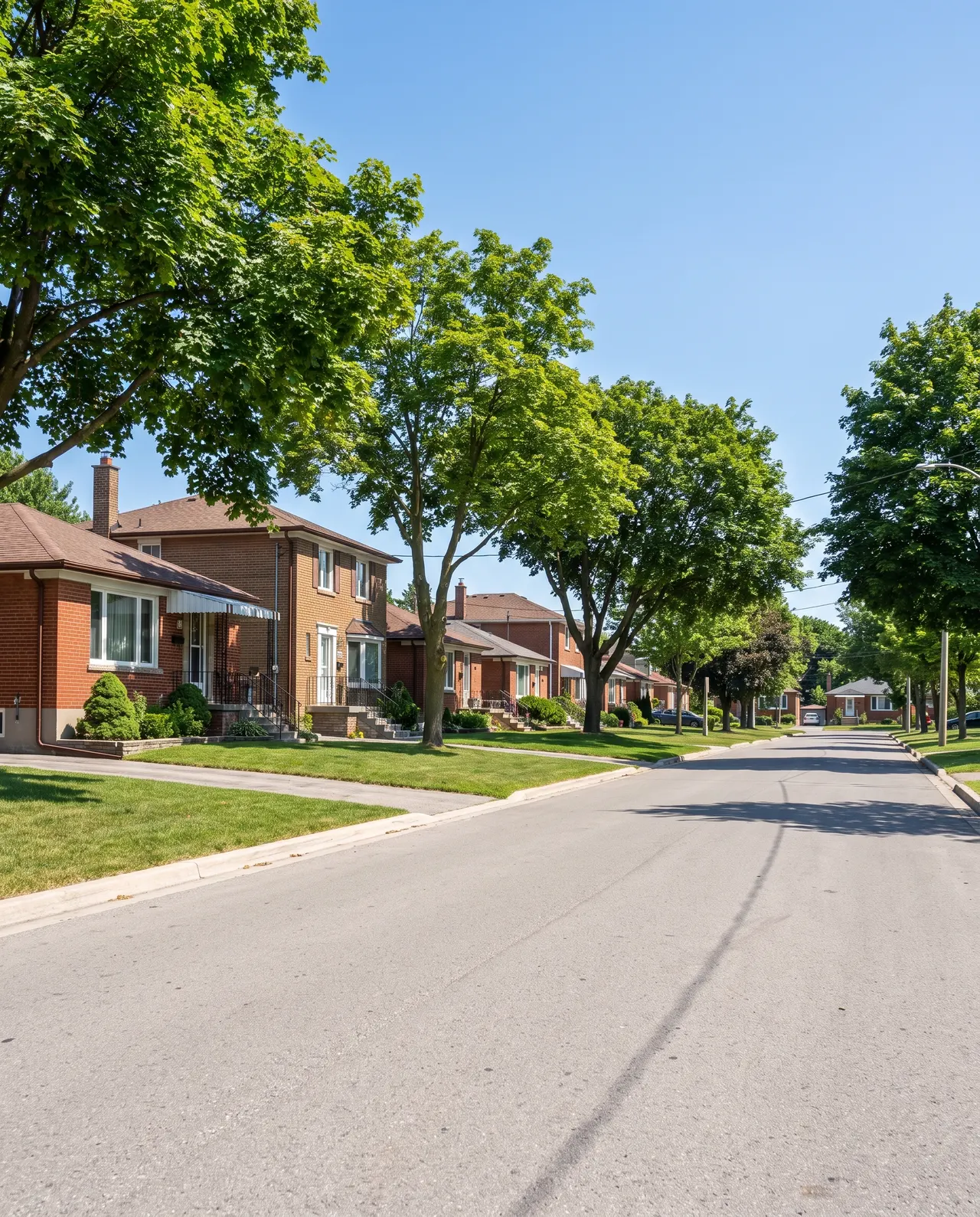
Real estate lawyer for Scarborough clients. Our office is on Sheppard Ave E.
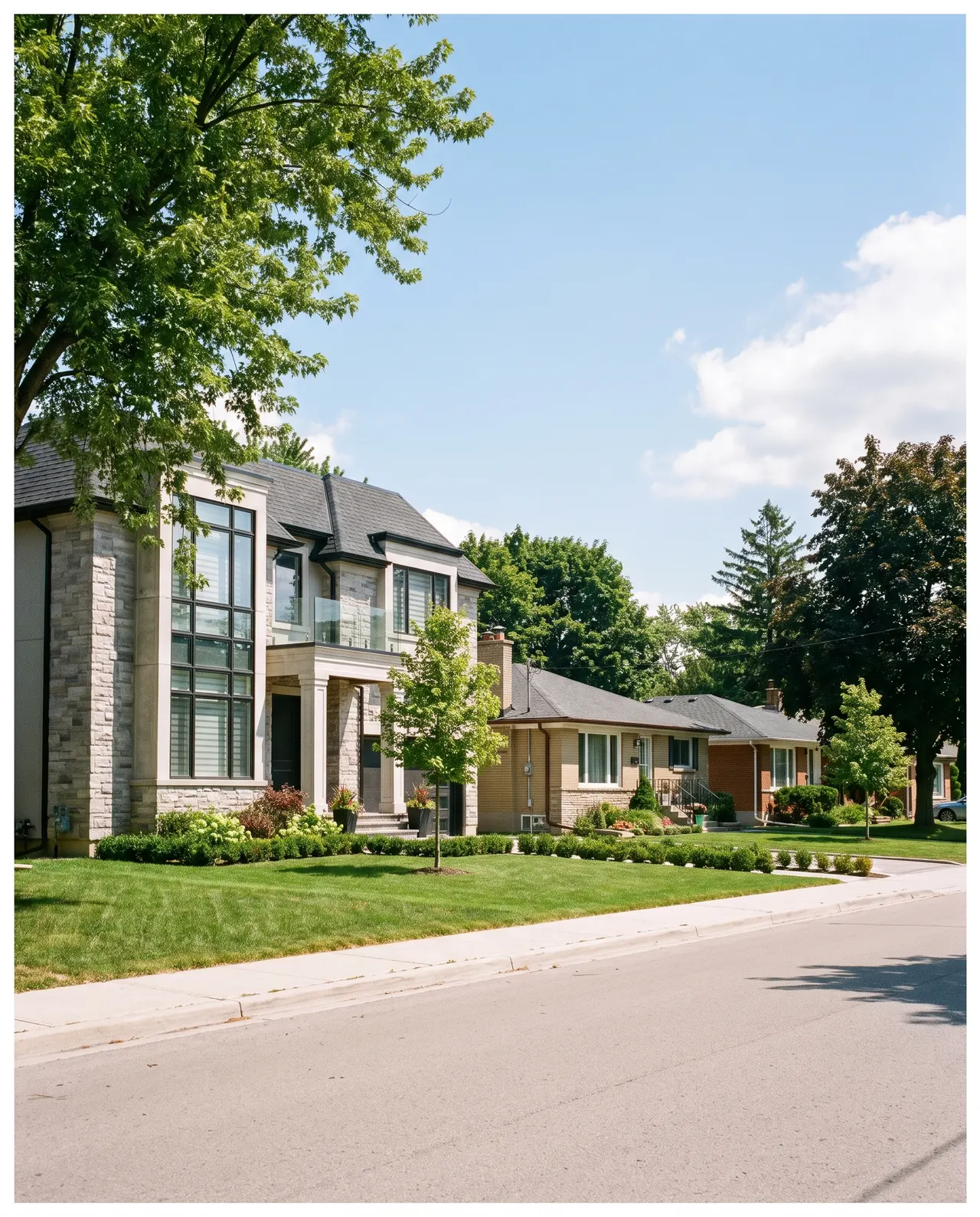
Real estate lawyer for North York clients.
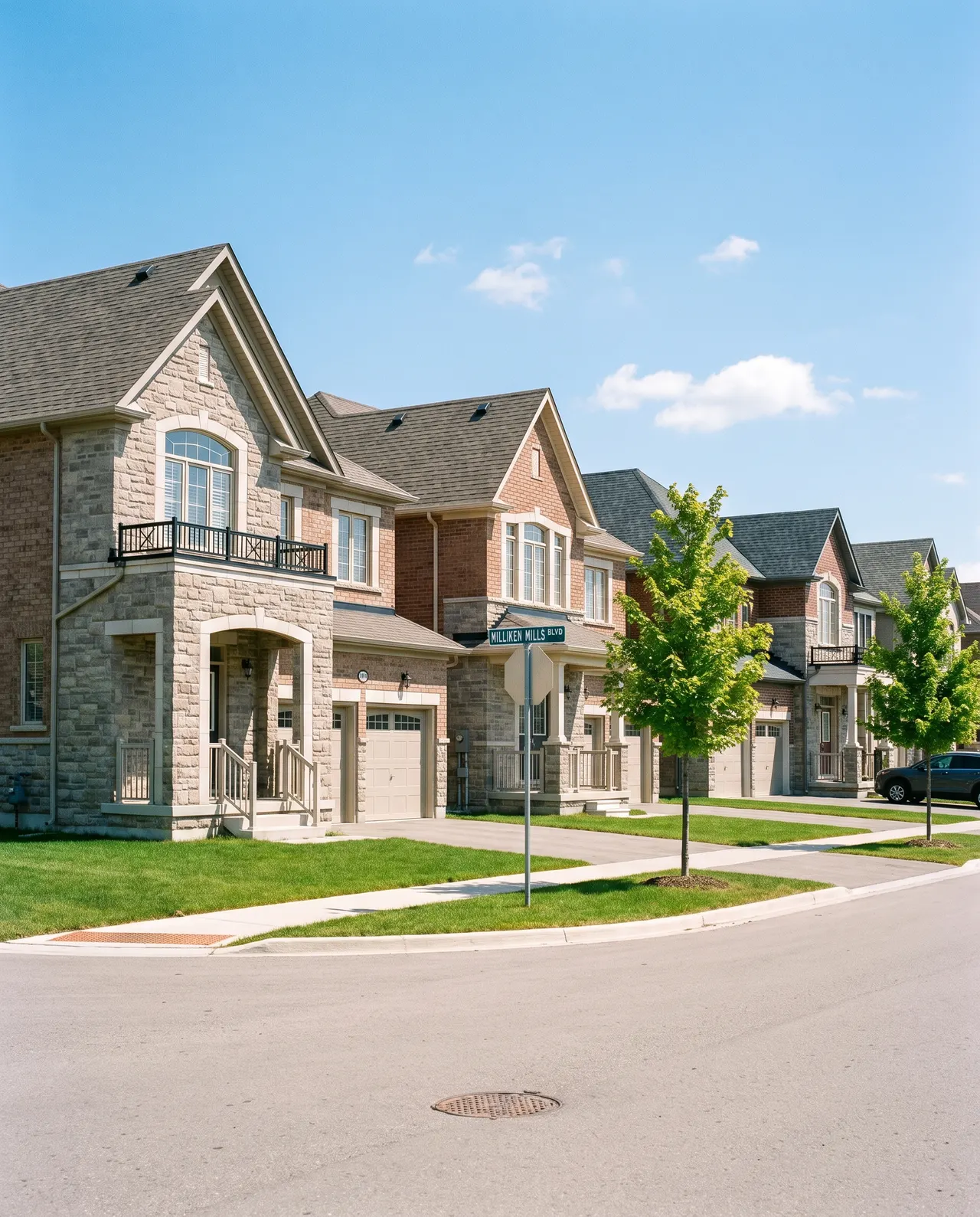
Real estate lawyer for Markham clients.

Here to help
Start the $450 review in the quote form, or book a free 15-minute call.
Prefer to talk now? Call (647) 707-7718 · Service in English, Armenian and Arabic
