


Writing a Will in Canada: A Step-by-Step Guide
A will is a legal document that outlines how a person's assets will be distributed after their death. It's an important part of estate…
Services in English, Armenian and Arabic
What we prepare
Every package includes estate planning advice from a licensed Ontario lawyer, for families in Scarborough, North York, Markham and across the GTA.
Estate planning advice and your will: who receives what, who acts as your estate trustee, and who looks after your children.
Your will, plus a continuing power of attorney for property and a power of attorney for personal care.
Wills for both spouses, with powers of attorney for property and personal care for each of you.
A primary will and a secondary will, with powers of attorney, for people who own assets that may not need probate, such as shares in a private company.
Powers of attorney for property and personal care, with legal advice, if your will is already in place.
The people you name
The most important decisions in a will are often about people, not property.

Your estate trustee (often still called an executor) finds and values what you own, applies for probate if it is needed, pays your debts and taxes, and then distributes what is left to your beneficiaries. It is real work, often lasting a year or more, and an estate trustee who gets it wrong, for example by paying beneficiaries before the tax is settled, can be personally responsible for the shortfall. Our probate and estate administration page sets out what the job involves.
Choose someone organized, trustworthy and willing, and ask them before you name them. Name a backup in case your first choice dies before you or can’t act. If you name two people to act together, they generally have to agree on decisions, so think about how well they work together. Someone who lives outside Ontario can act, but it adds practical steps and, depending on where they live, the court may require a bond before confirming their appointment.
Under Ontario’s Children’s Law Reform Act, a parent can use their will to appoint someone to have decision-making responsibility (what used to be called custody) for their children. Three limits matter:
Caring for a child and managing a child’s money are separate roles. If a minor inherits outright with no trust in the will, the money generally has to be paid into court or managed by a court-appointed guardian until the child turns 18, and the child then receives it all at once. A trust in your will lets your estate trustee hold the share, spend it on the child’s needs, and pay it out at an age you choose.
Why Wannes Law
Rosalie Wannes, licensed by the Law Society of Ontario, is responsible for your file from start to finish.
Instant online quotes and published flat fees, so you know the cost before you retain us.
Plain-language explanations of what happens, what you provide and what we handle, at every stage.
Reach your lawyer and law clerk directly by phone and email while your matter is underway.
Meet at our Sheppard Ave E office in Toronto, or review documents by video and courier the originals.
Talk through your matter in the language you are most comfortable with.
Without a will
Part II of Ontario’s Succession Law Reform Act decides who inherits, in a fixed order that may not match what you would have chosen.
However long you have lived together, a common-law partner is not a spouse for this purpose. They may be able to ask a court for support from the estate as a dependant, but that is a court application, not an inheritance. A will is the only way to leave them a share directly.
Since January 1, 2022, a married spouse you are separated from at your death does not inherit on an intestacy if you had lived apart for three years or had a separation agreement, court order or family arbitration award, and were still apart when you died. The rules have conditions and transition dates, which is one more reason to make a will when a marriage ends.
Without a will there is no named estate trustee. A family member, usually the spouse first, has to apply to court to be appointed, generally needs the written consent of beneficiaries holding a majority of the estate, and under the Estates Act may have to post a bond unless an exception applies or the court waives it. Children’s shares are held until they turn 18 and are then theirs outright.
Powers of attorney
A will only works after you die. Powers of attorney cover the time before that, if illness or injury leaves you unable to decide for yourself. Ontario has two kinds, and most adults need both.

Names the person (your attorney) who can manage your money and property: banking, paying bills, filing tax returns, dealing with investments and, if needed, selling your home. Under the Substitute Decisions Act they can do anything with your property that you could do, except make a will. Unless the document says otherwise, it can be used as soon as it is signed, even while you are still capable. You can instead say it only takes effect on a specific date or event, such as a finding that you can no longer manage your property. You must be at least 18 to make one.
Names the person who makes personal decisions for you if you become mentally incapable of making them yourself: health care, nutrition, shelter, clothing, hygiene and safety. It only operates when you can’t make the decision in question, and it can include your wishes about treatment. You can make one from age 16.
Each must be signed in front of two witnesses. The law bars some people from witnessing: your attorney or their spouse or partner, your own spouse or partner, your children (or anyone you treat as your child), anyone under 18, and anyone who has a guardian. If you name two attorneys, they must act together unless the document lets them act separately.
Your family, including your spouse, can’t automatically take over your finances. If you are found incapable of managing property, Ontario’s Office of the Public Guardian and Trustee can become your statutory guardian of property. A family member can then apply to replace it, or apply to court to be appointed guardian, which takes time and money. For health-care decisions, Ontario law lets family members consent to treatment in a set order, with the Public Guardian and Trustee as a last resort. Ontario’s guide to making a power of attorney explains the basics; our power of attorney page explains how we prepare them.
Outside your will
Some of what you own never passes through your will at all. A good plan looks at everything together.
RRSPs, RRIFs, TFSAs, pensions and life insurance usually pay directly to the beneficiary you name on the plan, not under your will. You can name a beneficiary on the plan’s own form or in your will. If there is more than one designation, a later one generally overrides an earlier one where they conflict, and a new will only changes a designation made on a form if it refers to that designation expressly. Old designations are a common problem: a former partner still named on a life insurance policy can receive the money whatever your will says. Review them whenever you review your will.
A home or bank account you own with someone as joint tenants usually passes to the surviving owner automatically. Between spouses, this is often exactly what is intended. Adding an adult child to your home or accounts is different: the law may presume the child holds their share for your estate unless there is clear evidence you meant it as a gift, and it can cause tax, creditor and family problems while you are alive. If you are thinking about it, talk to us first; our title transfer page explains what changing the owners of a home involves. If you are buying a home, how you take title (joint tenants or tenants in common) is part of your estate plan, which our home purchase page covers.
Ontario charges estate administration tax on the value of the assets that go through a probate application: nothing on the first $50,000, then $15 for every $1,000 above that (as of 2026). Some assets, such as shares in a private corporation or personal belongings, can often be transferred without probate. Ontario accepts two wills for this purpose: a primary will for assets that need probate, and a secondary will for those that don’t. The court can then issue a certificate limited to the assets in the primary will, and only those assets are counted for the tax. Whether it is worth it depends on what you own; for many people, a single will is right.
Families and dependants
In Ontario you can leave your estate to whoever you choose, but some people have claims the law protects whatever your will says.

Under the Family Law Act, a surviving married spouse can elect either to take what your will leaves them or to claim an equalization of net family property, broadly the same division of property that would apply if you had separated. The election must be filed within six months of the death, and the estate generally can’t be distributed during those six months unless the spouse consents or a court allows it. A will that leaves a spouse less than their equalization entitlement may not hold. This right belongs to married spouses; common-law partners don’t have it.
Under Part V of the Succession Law Reform Act, a dependant can ask the court for support from your estate if your will does not make adequate provision for them. Dependants include a spouse or former spouse (which here can include a common-law partner), children, parents and brothers and sisters, whom you were supporting or were legally obliged to support just before you died. The claim is usually brought within six months of probate being granted, and the court can reach assets that pass outside the will, such as joint accounts, insurance and plans with a named beneficiary. If you pay child or spousal support, or support a parent, plan for it in your will.
Mirror wills, where each spouse leaves everything to the other and then to the children, can work badly in a second marriage. After the first death, the survivor owns everything and can make a new will leaving nothing to the first spouse’s children. Common alternatives include a trust that supports your spouse for life and then passes to your children, gifts to children now rather than later, or life insurance for one side of the family. The right answer depends on your family, and we talk it through before anything is drafted.
An inheritance paid outright can affect a person’s eligibility for the Ontario Disability Support Program. A fully discretionary trust in your will, often called a Henson trust, lets your trustee decide when and how to help the beneficiary; under Ontario’s ODSP policy on funds held in trust, such a trust is not counted as the beneficiary’s asset. It needs careful drafting and a trustee you trust.
Valid and current
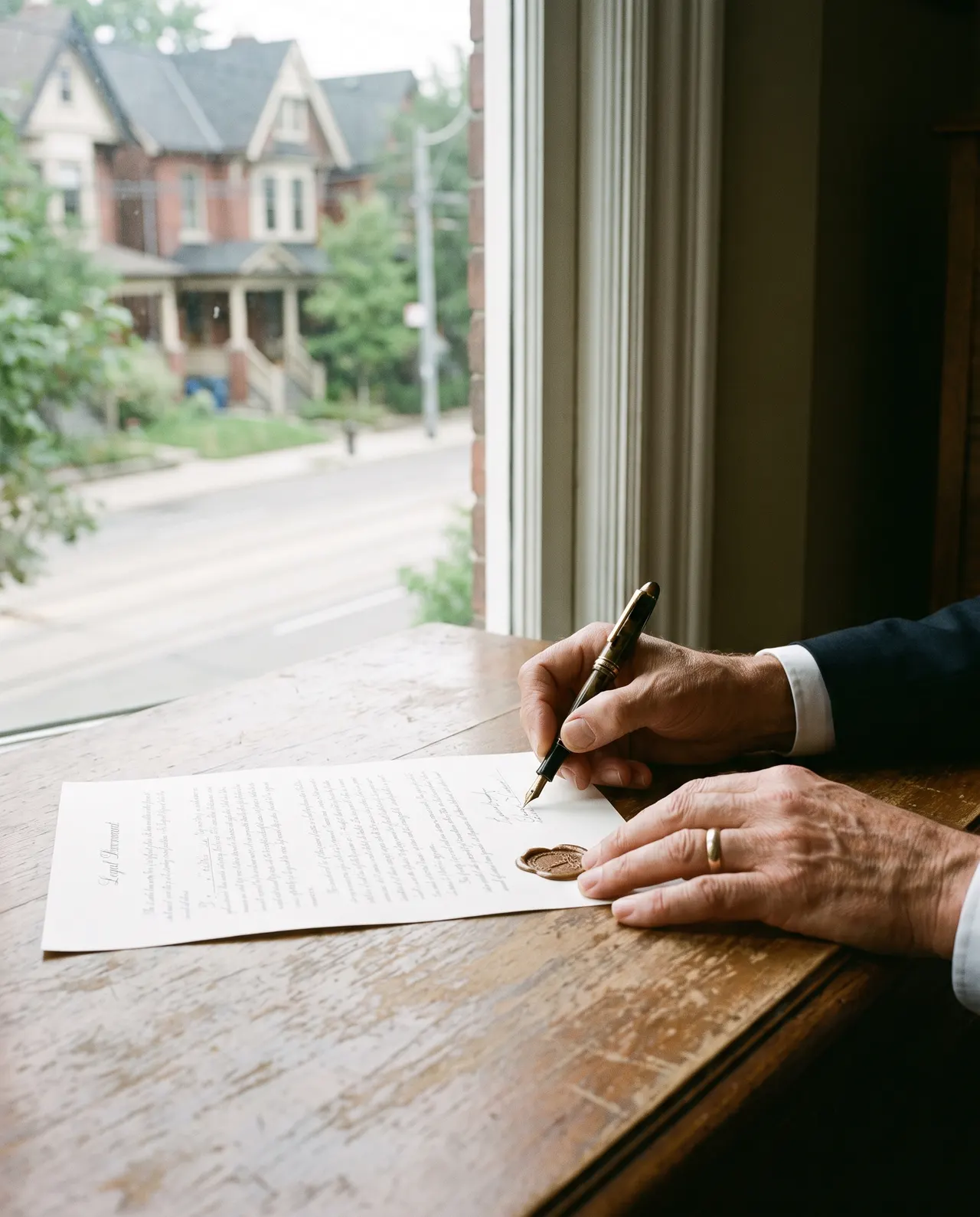
A typed Ontario will must be signed at the end by you in front of two witnesses who are both present at the same time and who sign in front of you. A witness, or a witness’s spouse, should not be a beneficiary: the will stands, but their gift is generally void unless a court is satisfied there was no undue influence. A handwritten (holograph) will is valid without witnesses only if it is written entirely in your own handwriting and signed. Ontario does not accept electronic wills: the will must be on paper.
Ontario law now permanently allows will witnesses to attend by live video, provided at least one witness is a licensee of the Law Society of Ontario, such as a lawyer, and everyone signs at the same time. The signed copies together form the will. The same rule applies to powers of attorney.
For deaths on or after January 1, 2022, the Superior Court of Justice can declare a document to be a valid will, even though it wasn’t signed or witnessed properly, if it is satisfied the document sets out the person’s real intentions. That is a safety net, not a plan: it needs a court application, costs the estate money and time, and may be contested. A properly signed will avoids it.
To make a will you need to understand what a will does, have a general idea of what you own, and know who might expect to benefit. A will can be challenged if the will-maker lacked that capacity or was pressured by someone else. When a lawyer prepares your will, they meet you, take instructions from you directly (usually without the beneficiaries in the room), assess your understanding and keep notes, which is important evidence if the will is questioned later.
Since January 1, 2022, getting married doesn’t revoke an Ontario will. A will made before your marriage still applies afterwards, which may not be what you intend.
If you are separated when you die, your separated spouse is treated as if they died before you for the gifts and appointments in your will, provided you had lived apart for three years or had a separation agreement, court order or family arbitration award. Divorce has the same effect. Don’t rely on these rules for beneficiary designations on insurance or registered plans; update those yourself.
Probate needs the original signed will, not a copy. If the original can’t be found, the court may presume you destroyed it intending to revoke it, and your family may face a costly application. Keep it somewhere safe, and tell your estate trustee where it is.
Our step-by-step guide to writing a will walks through what to think about before your appointment.
How it works

Pick a will, a package with powers of attorney, couples wills or primary and secondary wills in the quote form. The price is shown before you book. Not sure which fits? Book a free 15-minute call.
Will $750 · single will package $1,000 · couples wills $1,750 · POA package $500 · primary & secondary wills $2,500, each + HST.
We talk through your family, what you own and how it is held, who you want as estate trustee, guardian and attorney, and anyone who may have a claim on your estate. This is where the estate planning advice happens.
You receive the drafts in plain language and we explain what each clause does before anything is signed.
Your will and powers of attorney are signed with two witnesses at our Toronto office, as Ontario law requires, and the lawyer confirms you understand them and are acting freely. A home or hospital visit in the GTA can be arranged for medical or mobility reasons.
Home or hospital visits add $500 + HST.
Fees
A home or hospital visit in the GTA, where needed for medical or mobility reasons, adds $500 + HST. Services in English, Armenian and Arabic. See all our legal fees.
Get your instant quoteQuestions

A will is $750 + HST. The single will package with both powers of attorney is $1,000 + HST, couples wills are $1,750 + HST, and primary and secondary wills are $2,500 + HST. A power of attorney package on its own is $500 + HST.
You are not legally required to use a lawyer, but a lawyer makes sure the will is clear, properly signed and witnessed, and that your capacity and intentions are confirmed and recorded, which helps protect it from later challenge. A lawyer also checks for claims your will has to account for, such as a married spouse’s equalization rights or a dependant’s right to support.
Ontario law decides who inherits. A married spouse receives the first $350,000 and a share of the rest; children share the remainder. A common-law partner receives nothing automatically. A family member must apply to court to be appointed to administer the estate, and may need to post a bond. Our guide on what to do when someone dies in Ontario explains the first steps.
Not any more. Since January 1, 2022, marriage doesn’t revoke a will, so a will made before you married still applies. Review it when you marry to make sure it still says what you want.
It can be. Ontario allows will witnesses to attend by live video if at least one witness is a licensee of the Law Society of Ontario and everyone signs at the same time. Ontario does not accept purely electronic wills; the will must be signed on paper.
You can choose your beneficiaries, but a married spouse can elect to claim an equalization of family property instead, and a dependant you were supporting can ask the court for support from your estate. A will that ignores those claims may be overridden.
Often not. Plans and policies with a named beneficiary usually pay that person directly, and property held jointly with a right of survivorship usually passes to the other owner. We review how each asset is held so your will and your designations work together.
Yes. You can appoint someone to have decision-making responsibility for your minor children if they consent. The appointment lasts 90 days, during which the person applies to court, and the court decides based on the children’s best interests, taking your choice into account.
Some estates use two wills: a primary will for assets that need probate, and a secondary will for assets that don’t, such as shares in a private company. Only the primary will’s assets are counted for estate administration tax. Whether it suits you depends on what you own; we’ll tell you on the call.
We provide services in English, Armenian and Arabic, so you can talk through your instructions in Armenian or Arabic. Ask about the language of the documents when you book.
Guides
A will is a legal document that outlines how a person's assets will be distributed after their death. It's an important part of estate…
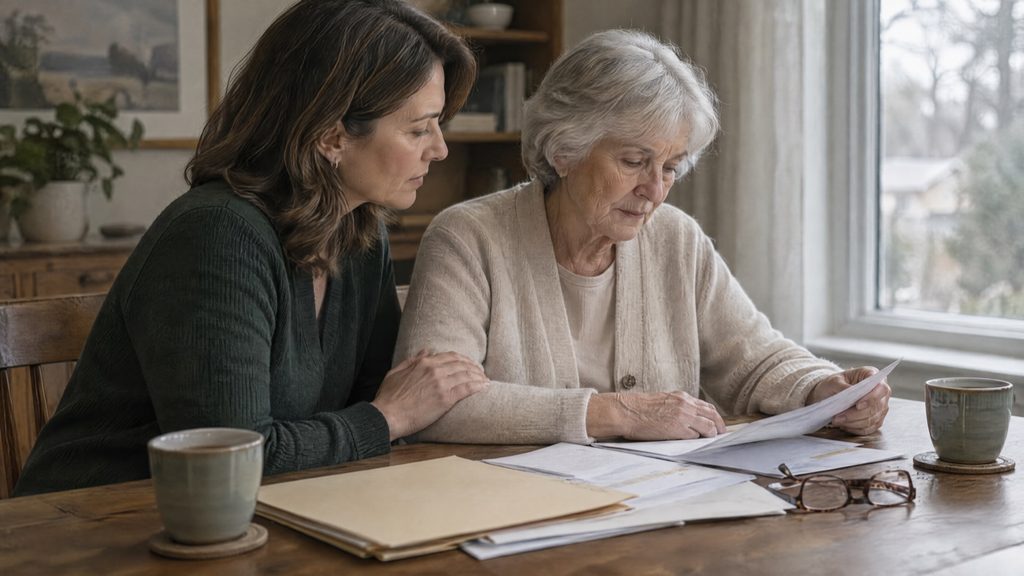
When someone dies in Ontario, a process starts almost immediately, and most people have never seen it before. There is no reason you would…

How you transfer a property after someone dies in Ontario depends entirely on how that person held title. Jointly owned property passes to the…
Areas We Serve
From our Toronto office we act for clients across the Greater Toronto Area, including Durham, York and Peel regions: Markham, Richmond Hill, Pickering, Ajax, Whitby, Oshawa, Mississauga and Brampton.
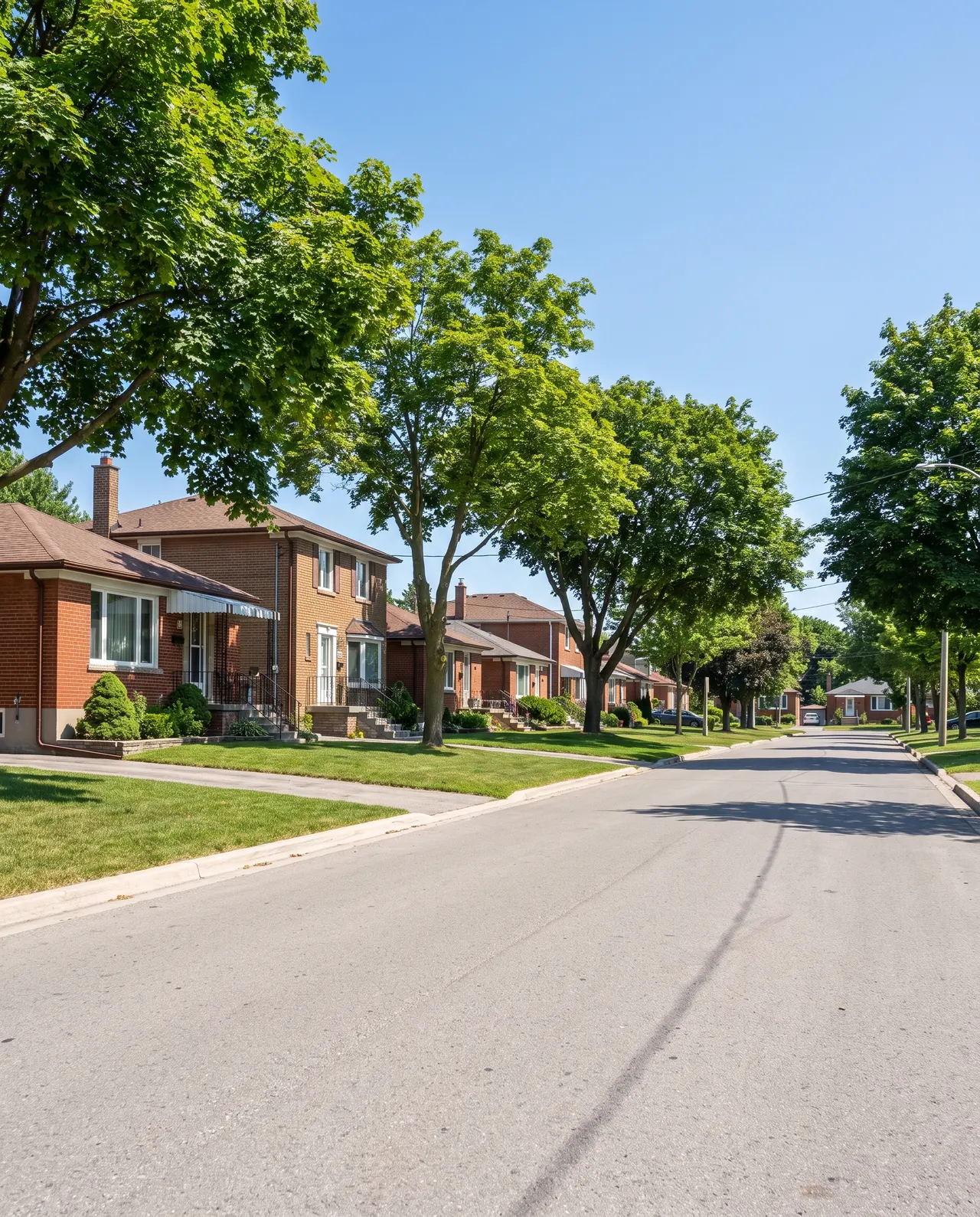
Wills & powers of attorney for Scarborough clients. Our office is on Sheppard Ave E.
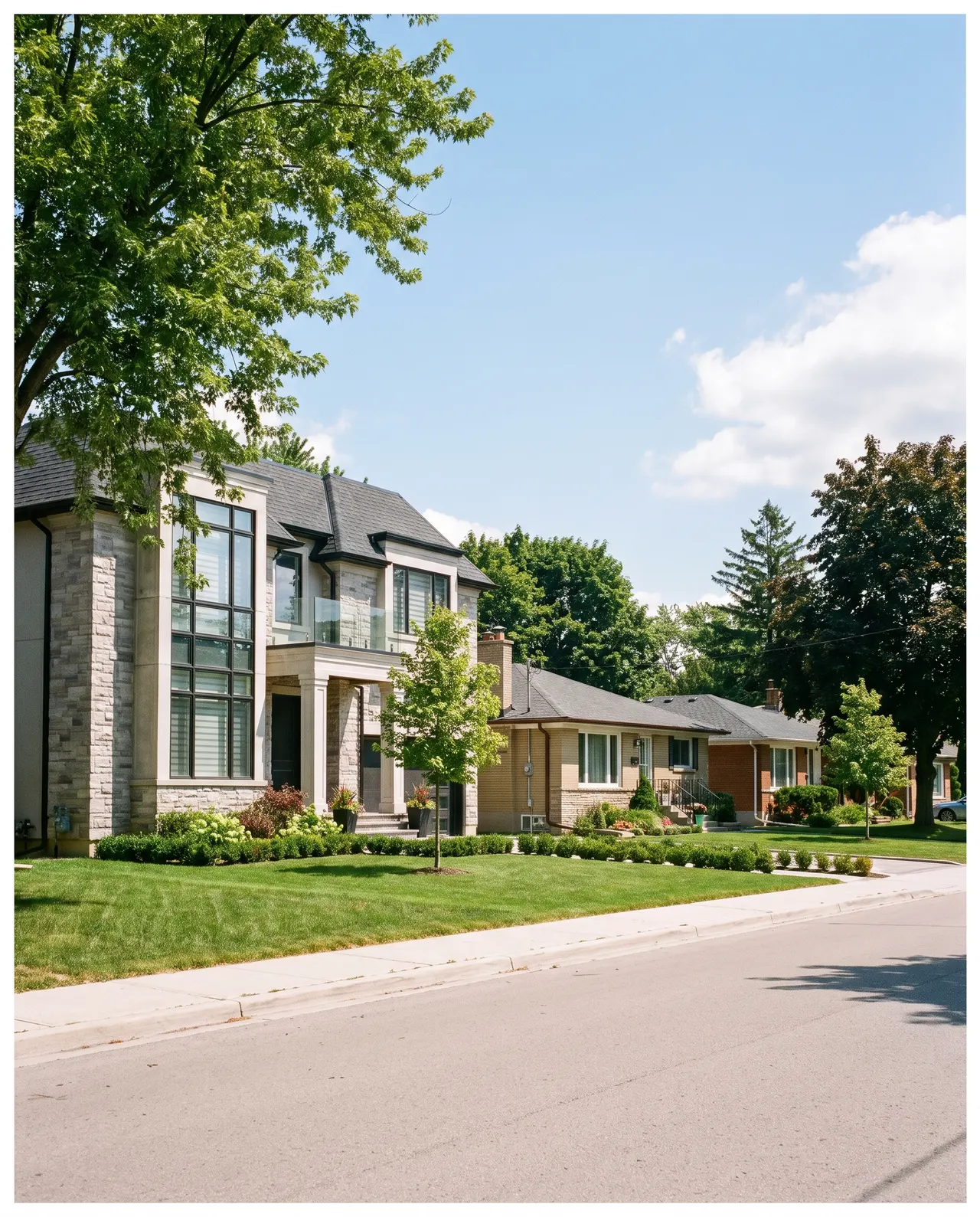
Wills & powers of attorney for North York clients.
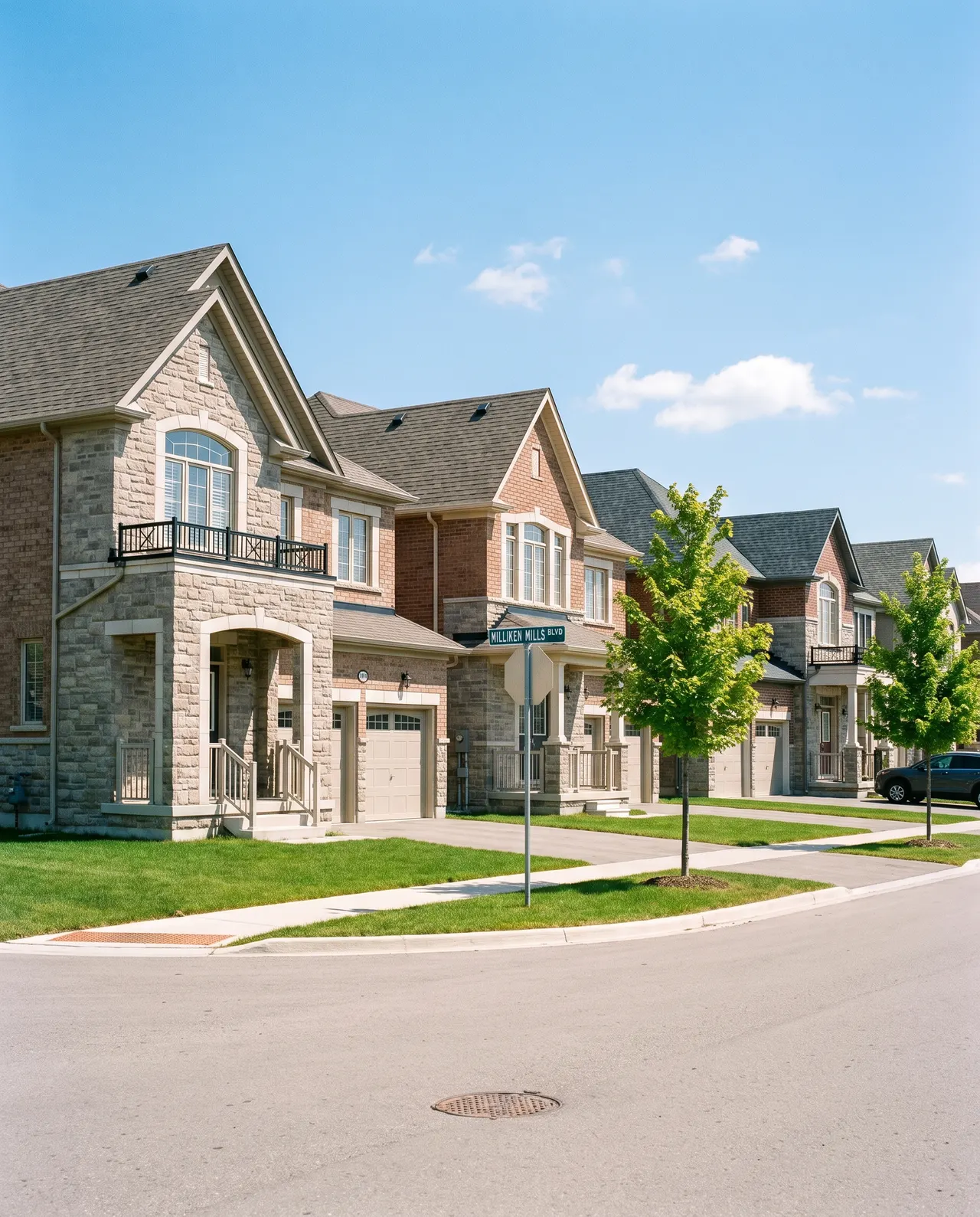
Wills & powers of attorney for Markham clients.

Here to help
Choose a package and see the price, or book a free 15-minute call to ask which one fits your family.
Prefer to talk now? Call (647) 707-7718 · Service in English, Armenian and Arabic