

Commercial lease review
What we review in a commercial lease
For tenants and landlords, before the lease is signed. Unlike a residential tenancy, a commercial lease is largely what the parties agree to: few statutory protections fill the gaps, and the landlord’s standard form is written for the landlord. For shops, offices, clinics, restaurants and industrial units in Scarborough, across Toronto and the GTA.

Money and term
- Base rent and additional rent (TMI), operating costs and utilities
- Lease term, renewal options and rent escalations
- Personal guarantees and indemnities
- Insurance requirements and liability provisions
Use and space
- Permitted use and exclusivity rights
- Repair, maintenance and capital expenditure obligations
- Construction, renovation and tenant improvement clauses
- Signage rights and parking
- Compliance with municipal by-laws and zoning
Exit and disputes
- Assignment and subletting rights
- Default provisions and remedies
- Landlord entry rights and relocation clauses
- Early termination rights and exit strategies
- Dispute resolution, and any unusual clauses
The review starts at $1,500 + HST, a starting rate confirmed on your consultation, and includes a written report on key terms, risks and recommendations and a consultation to go through it. Sign nothing binding, including an offer to lease, before the review: an offer to lease often commits you to the landlord’s lease form.
Rent and registration
Net, gross and semi-gross leases, and protecting your lease on title
Two leases with the same base rent can cost very different amounts. The difference is in who pays for the building.

Net, gross and semi-gross
In a net lease, common in Toronto retail plazas and industrial buildings, you pay base rent plus your proportionate share of the building’s operating costs, property taxes and insurance, usually called additional rent or TMI (taxes, maintenance, insurance). In a gross lease the landlord pays those costs out of a single rent. A semi-gross lease sits between the two. In a net lease, look at what the landlord can include in operating costs: management and administration fees, capital repairs such as a roof replacement, and costs of vacant units. Ask for the last two years’ actual figures, a right to audit the landlord’s year-end reconciliation, and a cap or exclusion for capital items.
HST
Commercial rent is generally subject to HST, charged on top of base rent and additional rent. Budget for it; if your business is an HST registrant, you can usually claim it back as an input tax credit.
Registering notice of the lease
A long lease is an interest in land. A tenant can register a notice of lease on title so that a later buyer or lender of the property takes subject to it. Many landlords’ forms restrict what can be registered, often to a short notice that leaves out the rent, which is usually acceptable. If the landlord has a mortgage, ask for a non-disturbance agreement from its lender, so your lease survives if the lender enforces. Where the lease covers only part of a property and runs for 21 years or more, counting renewals, the Planning Act can require consent unless an exception applies, so long terms need checking.
Why Wannes Law
A Toronto law firm that keeps you informed
-
A licensed Ontario lawyer
Rosalie Wannes, licensed by the Law Society of Ontario, is responsible for your file from start to finish.
-
Fees before you commit
Instant online quotes and published flat fees, so you know the cost before you retain us.
-
Every step explained
Plain-language explanations of what happens, what you provide and what we handle, at every stage.
-
Direct access
Reach your lawyer and law clerk directly by phone and email while your matter is underway.
-
Sign in person or remotely
Meet at our Sheppard Ave E office in Toronto, or review documents by video and courier the originals.
-
English, Armenian and Arabic
Talk through your matter in the language you are most comfortable with.
Personal liability
Personal guarantees and indemnities: what you are really signing
Leasing through a corporation protects you only if you don’t guarantee the corporation’s lease personally. Most landlords ask you to.

What a guarantee does
A guarantee or indemnity makes you personally responsible for everything the tenant owes under the lease: rent for the whole remaining term, repairs, and the landlord’s legal costs, if the business can’t pay. Most landlord forms make it continue through renewals, extensions and amendments, and often after the lease is assigned to someone else. A small business owner can end up owing rent on premises they left years ago.
What can be negotiated
- A cap on the guarantee, such as a fixed dollar amount or a set number of months’ rent.
- A burn-off: the guarantee ends after a period of on-time payment.
- Release on assignment, so the guarantee ends when the lease is assigned to a qualified buyer of your business.
- No liability for renewals or amendments you didn’t personally agree to.
- A larger security deposit or letter of credit instead of a personal guarantee.
Incorporate before you sign
If you plan to operate through a corporation, form it before the lease is signed and have the corporation sign as tenant. A lease signed in your own name makes you the tenant, with all of the liability. Our business incorporation page covers setting up the company and the shareholder agreement that should sit behind it.
Commercial transactions
Purchases, sales and refinances
Buying or selling a store, office condo, plaza, mixed-use building or industrial unit, or refinancing one. Commercial deals are quoted individually, because the due diligence depends on the property and its tenants.

Included
- Review of the agreement of purchase and sale
- Title and off-title due diligence
- Review or preparation of the closing documents
- Review of lender or mortgage instructions, if applicable
- Direct access to your lawyer and law clerk by phone and email
- Reporting letter and post-closing follow-up
Tell us early
- Whether you are buying in your own name or through a corporation
- Whether you, or the seller, are registered for GST/HST
- Whether the seller is resident in Canada
- Whether the property has tenants who stay after closing
- The use you intend, and any change of use or renovation
- Your lender and the date of its commitment
Buying an operating business along with its premises? Whether you buy the assets or the shares changes the documents and the tax. See our business law page.
Due diligence
What to check before a commercial purchase goes firm
A commercial buyer gets far less protection from the standard agreement than a home buyer. The conditions and the due diligence period are where you protect yourself.

Zoning and permitted use
Confirm that the municipality’s zoning permits the use you intend, not just the seller’s current use, and whether any open building permits, work orders or fire code orders are outstanding. A use that was allowed years ago may continue as a legal non-conforming use, but it can be lost if the use changes.
Environmental
Former gas stations, dry cleaners, auto shops and industrial uses can leave contamination that becomes the new owner’s problem. Lenders commonly require a Phase One environmental site assessment, and a Phase Two with soil testing if the first finds risk. Build enough time into the due diligence condition for both.
Leases, rent roll and estoppels
If tenants stay after closing, you inherit their leases. Review every lease and the rent roll, and ask for estoppel certificates, in which each tenant confirms its rent, deposit, term and that the landlord isn’t in default. An estoppel stops a tenant later claiming a side deal the seller never mentioned.
HST on the purchase
A sale of commercial real property is generally taxable for GST/HST. If you are registered, the seller doesn’t collect the tax; you self-assess and report it, and can usually claim an offsetting input tax credit if you use the property in commercial activities. The CRA’s guide to GST/HST on commercial real property explains the rules. The agreement should say whether the price includes HST and require your registration number before closing; getting this wrong can add 13% to the cost.
Non-resident sellers
If the seller is not resident in Canada, the buyer can be liable for the seller’s tax unless the seller produces a certificate of compliance, so the buyer usually holds back 25% or 50% of the price. The CRA sets out the section 116 rules.
Fees
Commercial fees
Questions
Commercial questions

How much is a commercial lease review?
From $1,500 + HST. It is a starting rate: the final fee depends on the lease’s length and complexity and is confirmed on your consultation. It includes a written report on key terms, risks and recommendations and a consultation to discuss it.
Do you act for landlords or tenants on commercial leases?
Both. The review covers rent and additional rent, term and renewals, use and exclusivity, repair obligations, guarantees, assignment and subletting, default and termination rights.
What is the difference between a net and a gross lease?
In a net lease you pay base rent plus your share of the building’s taxes, maintenance and insurance as additional rent. In a gross lease those costs are built into one rent paid to the landlord.
Should I sign a personal guarantee?
Only after negotiating its limits: a cap, a burn-off after a period of on-time payment, and release when the lease is assigned. An unlimited guarantee can leave you liable for the full remaining term.
Is there HST on a commercial property purchase?
Generally yes. If you are a GST/HST registrant, you self-assess the tax instead of paying it to the seller, and can usually claim an input tax credit if you use the property in commercial activities. Confirm the treatment in the agreement.
Should I review an offer to lease before signing?
Yes. An offer to lease is usually binding and often commits you to the landlord’s lease form, so the key terms need to be right before you sign it.
Do you handle commercial deals outside Toronto?
Yes, across the GTA, including Durham, York and Peel regions. Commercial purchases, sales and refinances are quoted individually on consultation.
Related
Other real estate services
Areas We Serve
Serving clients across Toronto and the GTA
From our Toronto office we act for clients across the Greater Toronto Area, including Durham, York and Peel regions: Markham, Richmond Hill, Pickering, Ajax, Whitby, Oshawa, Mississauga and Brampton.
-
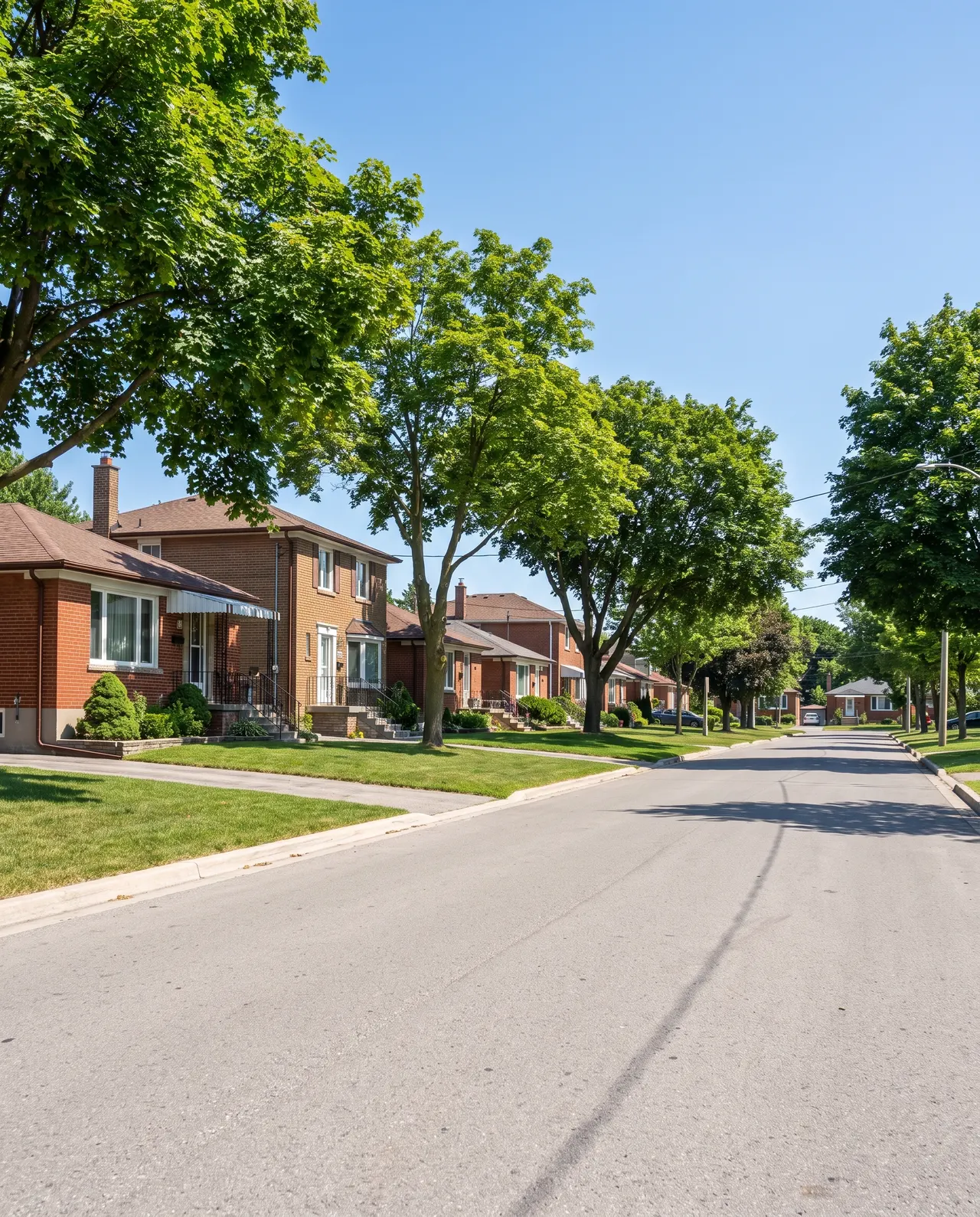
Scarborough
Real estate lawyer for Scarborough clients. Our office is on Sheppard Ave E.
-
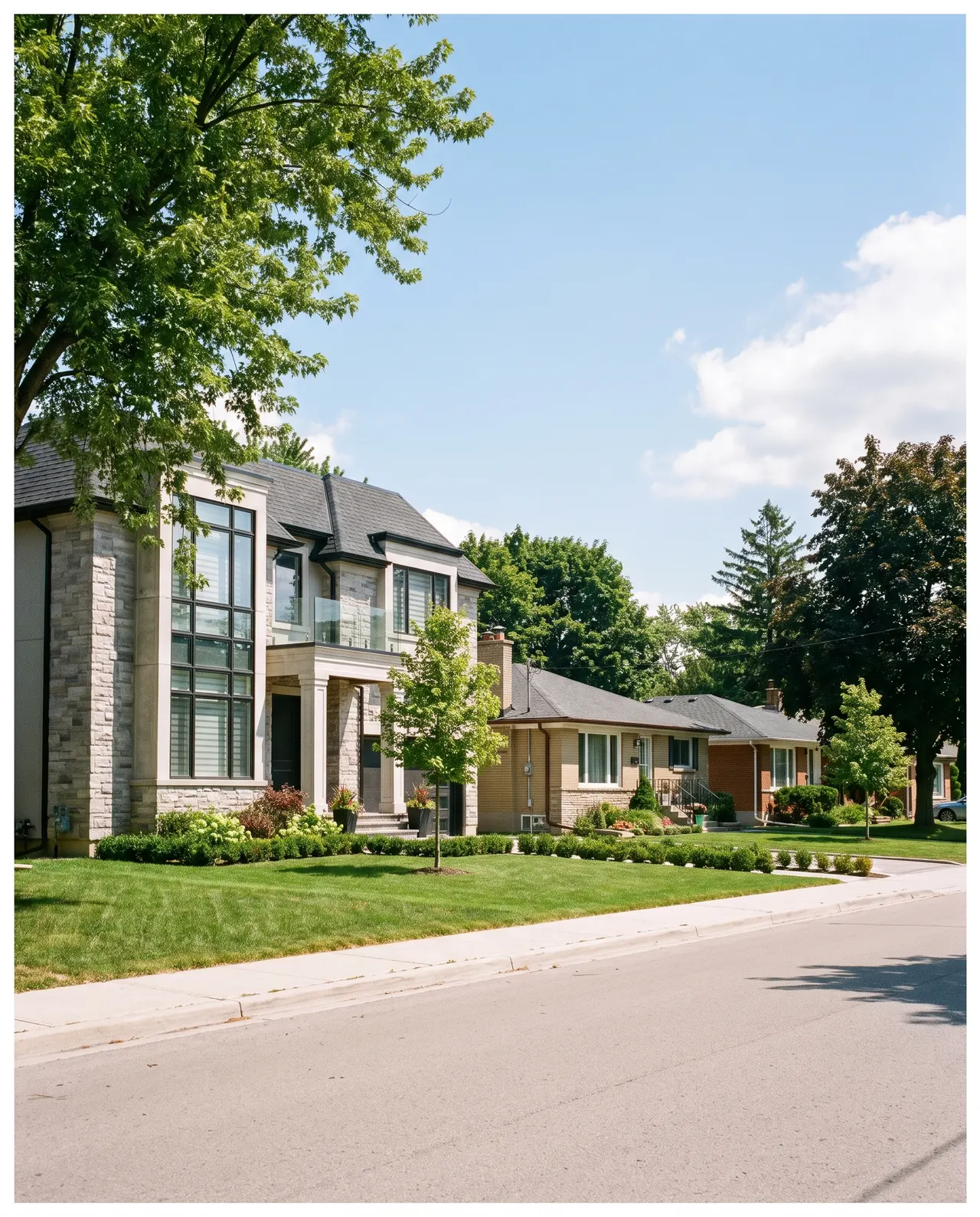
North York
Real estate lawyer for North York clients.
-
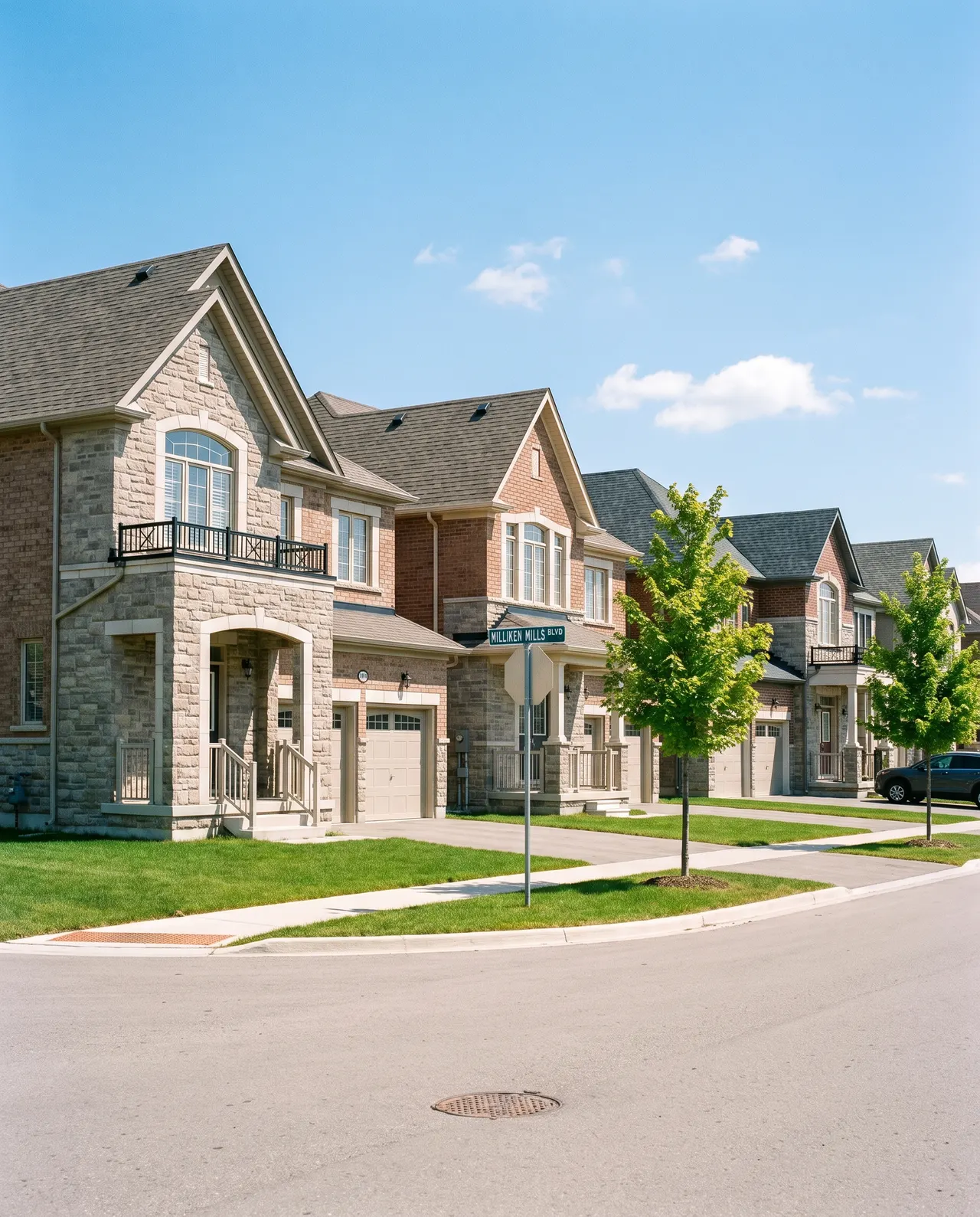
Markham
Real estate lawyer for Markham clients.


Here to help
Read the lease before it binds you.
Start a lease review in the quote form, or book a free 15-minute call.
Prefer to talk now? Call (647) 707-7718 · Service in English, Armenian and Arabic