


Real Estate Lawyer Fees in Ontario (2026): A Transparent Breakdown
If you are buying or selling a home, real estate lawyer fees in Ontario are one closing cost you cannot skip — the law…
Services in English, Armenian and Arabic
What we handle
For buyers, sellers and owners across Toronto, from Scarborough and North York to Etobicoke and East York, and throughout the GTA in Durham, York and Peel regions. Buying close to our office? See our page for a real estate lawyer in Scarborough.
Agreement review, title search, title insurance, your mortgage documents, land transfer tax and any first-time buyer refunds, and registration on closing day.
Agreement review, answering the buyer’s requisitions, discharging your mortgage, one signing appointment and getting the sale proceeds to you on closing.
Your new lender’s instructions, the mortgage documents, paying out and discharging the existing charge, and a reporting letter.
Adding or removing an owner, including transfers between spouses and to family members, with any mortgage discharge or assumption and the land transfer tax analysis.
Written notes on the reserve fund, special assessments, litigation and rules, plus a call with the lawyer, within your condition period.
A written review of the builder’s agreement, its schedules and closing adjustments before your rescission period ends.
Commercial purchases, sales and refinances, and commercial lease reviews for tenants and landlords.
Buying, selling or refinancing a cottage or lakefront home anywhere in Ontario: well and septic, shore road allowances, seasonal and water access, docks, and passing the cottage on. Regional pages for Muskoka, Kawartha Lakes, Haliburton and Parry Sound–Georgian Bay.
For private lenders and borrowers: the mortgage (charge) and its terms, the title search, registration on title, and the discharge once it is repaid. Tell us whether you are lending or borrowing; we act for one side, and the other should have their own lawyer.
Survivorship applications and the sale of a matrimonial home. Book a free 15-minute call or describe the matter in the quote form and we’ll confirm the fee.
How a purchase closes
This is the sequence for a standard resale purchase. A sale or a refinance follows a shorter version of the same path; a new build adds the steps set out under new construction below.
Send us the agreement of purchase and sale, and any amendments or waivers, while your conditions (financing, inspection, status certificate) are still open. Once you waive them, the deal is binding and your deposit is at risk if you can’t close. On a condo, the status certificate review happens here, inside your condition period.
Law Society of Ontario rules require your lawyer to verify the identity of every client, so we check government photo ID for each buyer. We also settle how you will hold title. Joint tenants own the whole together, and if one dies the survivor owns it outright; tenants in common each own a share that passes under their own will. Couples buying together usually also update their wills and powers of attorney. The standard fee applies when we receive the agreement and mortgage instructions at least five business days before closing.
Your legal fee is set by the purchase price and shown in the instant quote before you retain us.
We search the title for problems such as registered liens, easements and old mortgages, and run writ searches for court judgments against the seller. Anything wrong is raised in a requisition letter to the seller’s lawyer before the requisition date in your agreement. Title insurance is arranged through Stewart Title, which sets the premium.
We review your lender’s instructions against your mortgage commitment and prepare the mortgage documents. Before you sign, you see the statement of adjustments, the land transfer tax, any first-time buyer refunds and exactly how much you need to bring to close.
We go through every document with you before you sign. Sign at 3319 Sheppard Ave E, or review the documents with us by video while you sign on paper and courier the originals back.
We run the final searches, receive the mortgage advance, register the transfer and your mortgage electronically, send the funds to the seller’s lawyer and arrange the release of your keys.
You receive a reporting letter with your registered transfer, mortgage and title insurance policy. It’s worth keeping with your other important papers: you’ll want it when you refinance or sell.
Why Wannes Law
Rosalie Wannes, licensed by the Law Society of Ontario, is responsible for your file from start to finish.
Instant online quotes and published flat fees, so you know the cost before you retain us.
Plain-language explanations of what happens, what you provide and what we handle, at every stage.
Reach your lawyer and law clerk directly by phone and email while your matter is underway.
Meet at our Sheppard Ave E office in Toronto, or review documents by video and courier the originals.
Talk through your matter in the language you are most comfortable with.
Land transfer tax
For most buyers, land transfer tax is the largest closing cost after the down payment. Where the home is matters: inside the City of Toronto, you pay it twice.
Every buyer of Ontario land pays the provincial tax on registration. As of 2026, for a property with one or two single-family residences, the rates are 0.5% on the first $55,000, 1% up to $250,000, 1.5% up to $400,000, 2% up to $2,000,000 and 2.5% above that. Ontario publishes the land transfer tax rates and how they are calculated.
If the property is in the City of Toronto, which includes Scarborough, North York, Etobicoke, York and East York, you also pay Toronto’s municipal land transfer tax. For a home, its brackets match Ontario’s up to $3,000,000. Above that, Toronto charges graduated luxury rates that rose again on April 1, 2026; the City lists the current MLTT rates and fees. Buy in Markham, Pickering, Vaughan or Mississauga and you pay only the provincial tax.
| Price | Ontario | Toronto | Total | Total with both first-time refunds |
|---|---|---|---|---|
| $700,000 | $10,475 | $10,475 | $20,950 | $12,475 |
| $1,000,000 | $16,475 | $16,475 | $32,950 | $24,475 |
| $1,500,000 | $26,475 | $26,475 | $52,950 | $44,475 |
Ontario refunds up to $4,000 of its tax, enough to cover the whole provincial tax on a home up to about $368,000; Toronto rebates up to $4,475, which covers its tax up to $400,000. For both, you must be at least 18, a Canadian citizen or permanent resident, never have owned a home or an interest in one anywhere in the world, and move in as your principal residence within nine months. If your spouse owned a home while you were together, you don’t qualify. If you buy with someone who doesn’t qualify, the refund is generally limited to your share. Ontario sets out the first-time homebuyer refund conditions, and the refunds are usually claimed on registration, so they reduce what you bring to close.
If any buyer is a foreign national or a foreign corporation, Ontario’s Non-Resident Speculation Tax applies at 25% of the whole price, not just that buyer’s share, on residential property anywhere in the province. In Toronto, a separate municipal non-resident tax of 10% has applied since January 1, 2025. There are narrow exemptions and rebates, and they depend on your status and the facts, so raise this before you sign, not after.
Closing costs
The legal fee is usually the smaller part of the cheque you bring to close. These are the other items, so none of them is a surprise.

Out-of-pocket costs your lawyer pays on your behalf: government registration fees, title and execution searches, the LAWPRO transaction levy and similar charges. Every real estate disbursement, itemised
A one-time premium, set by Stewart Title and quoted at closing. Almost all lenders require it, and it protects you, not only the bank, for as long as you own the home.
If the seller has prepaid property tax, condo fees or a fuel or rental contract past the closing date, you reimburse them for the days you own the home. The statement of adjustments shows each one.
With less than 20% down, your lender adds a default insurance premium to the mortgage. Ontario charges 8% retail sales tax on that premium, and the tax can’t be added to the mortgage; it is paid on closing.
A resale home doesn’t attract HST. A newly built home does, usually included in the builder’s price, and the rebates that apply are covered under new construction below.
Fees
Flat fees for reviews. For purchases, sales and refinances, the instant quote calculates the fee from your price.
On top of the legal fee: disbursements such as government registration fees and title searches, the title insurance premium set by Stewart Title, and land transfer tax. A mortgage from a B-lender or alternative lender adds $400 + HST. How real estate lawyer fees in Ontario add up
Get your instant quoteDue diligence
A closing is mostly invisible work. This is what it protects you from.
The title search shows who owns the property and what is registered against it: mortgages, liens, easements, restrictive covenants and notices. Anything the seller must remove, such as their mortgage or a contractor’s lien, is raised with the seller’s lawyer and dealt with on closing, usually through the seller’s lawyer’s written undertaking to pay it off and discharge it.
A writ search checks for court judgments against the seller that could attach to the property, and against you, because your lender needs a clear search too.
Your agreement sets a requisition date, the last day to raise title problems with the seller. After it passes, you generally lose the right to object to anything except a problem that goes to the root of title. Sending us the agreement early keeps that date usable.
An up-to-date survey shows exactly where the boundaries, buildings and fences sit, and whether anything encroaches. Most Toronto resale houses don’t come with a current one, and title insurance generally covers the losses a current survey would have revealed, which is why lenders accept it instead. Insurance pays for a covered problem; it doesn’t tell you where your lot line is. If you plan to build, add a fence or pool, or you suspect a boundary issue, ask for a survey as well. A condo apartment doesn’t need one.
For a condo, the status certificate shows the budget, the reserve fund and its most recent study, special assessments, whether the unit is in arrears, lawsuits against the corporation, insurance, and the declaration, by-laws and rules. Under the Condominium Act, the corporation must deliver it within 10 days of the request and payment, and the Condominium Authority of Ontario notes it can charge no more than $100, taxes included (see its guide to status certificates). Order it early: your condition period is usually shorter than that. Rules on pets, rentals and short-term stays matter as much as the numbers.
Lender instructions sometimes contain conditions the buyer hasn’t focused on, such as a required appraisal, proof of the down payment or payout of a car loan. We read them against your mortgage commitment and raise anything unexpected before closing week.
Freehold, condo or POTL
Two townhouses on the same street can be owned in completely different ways. The listing may not say which; the title search will.
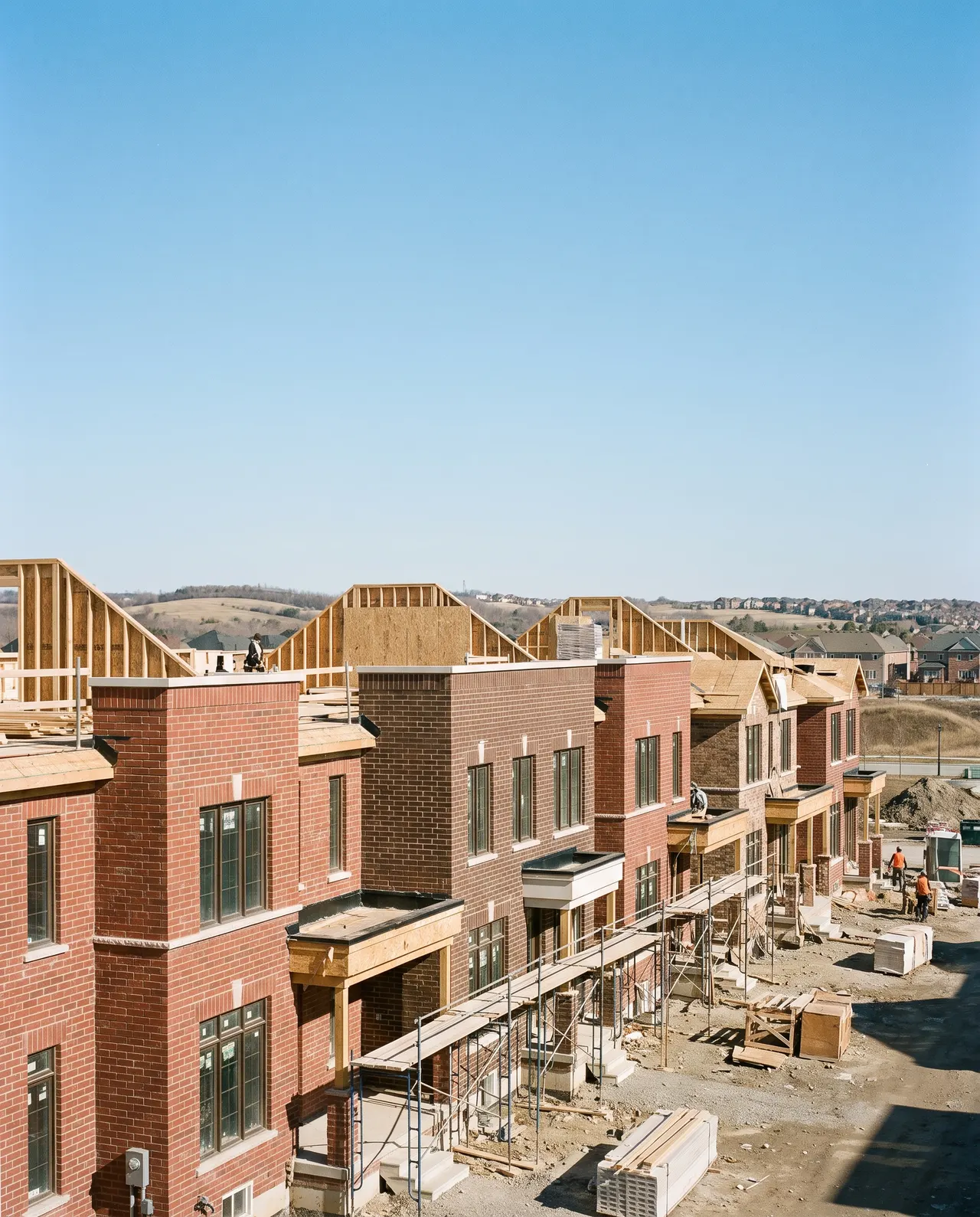
Condo townhouses, stacked townhouses and POTLs are common across Scarborough, Markham and Pickering. Send us the agreement early and the title search confirms the ownership type before your conditions expire.
New construction
A builder’s agreement is written by the builder, runs for dozens of pages, and can close years after you sign. Most of the protection you get has to be secured at the start.

For a new condominium bought from the builder, the Condominium Act gives you 10 days to rescind after you receive both the agreement signed by both sides and the disclosure statement. For a new freehold house there is no equivalent cooling-off period yet; one is being introduced for freehold agreements signed from January 1, 2027. Until then, review before you sign. Watch the schedules: they set closing adjustments, such as development charges, utility connections and Tarion enrolment, that are added to the price on closing. A pre-construction agreement review is a flat $450 + HST, and our guide to pre-construction home buying in the GTA covers what to negotiate.
New homes in Ontario come with a statutory warranty administered by Tarion: one year for defects in work and materials, two years for items such as water penetration, electrical and heating systems, and seven years for major structural defects. Deposit protection for a freehold agreement signed since 2018 is up to $60,000 on a home priced at $600,000 or less, and 10% of the price up to $100,000 above that. Condo deposits must be held in trust, with Tarion protection of up to $20,000. Since April 1, 2026, freehold buyers must register their new home purchase with Tarion within 45 days of signing to keep the maximum deposit coverage.
In a new condo, you usually move in before the building is registered as a condominium. Until final closing you pay a monthly occupancy fee made up of interest on the unpaid balance, estimated common expenses and estimated property tax. None of it reduces your price. Final closing, when title transfers and your mortgage is registered, can come months later, and the land transfer tax is calculated then.
New homes carry HST. Builders usually include it in the price and take an assignment of your rebates, which means your eligibility affects the price you pay on closing. As of 2026, the federal government offers a first-time home buyers’ GST/HST rebate on new homes, and Ontario offers a temporary enhanced rebate of up to the full 8% provincial portion, capped at $80,000, on a new home you will live in, for agreements signed between April 1, 2026 and March 31, 2027. Price limits and conditions apply; the CRA sets out the Ontario enhanced new housing rebate. We check which apply to your agreement before closing.
Your mortgage
Your lawyer acts for your lender as well as for you, so the type of lender changes what the closing involves.
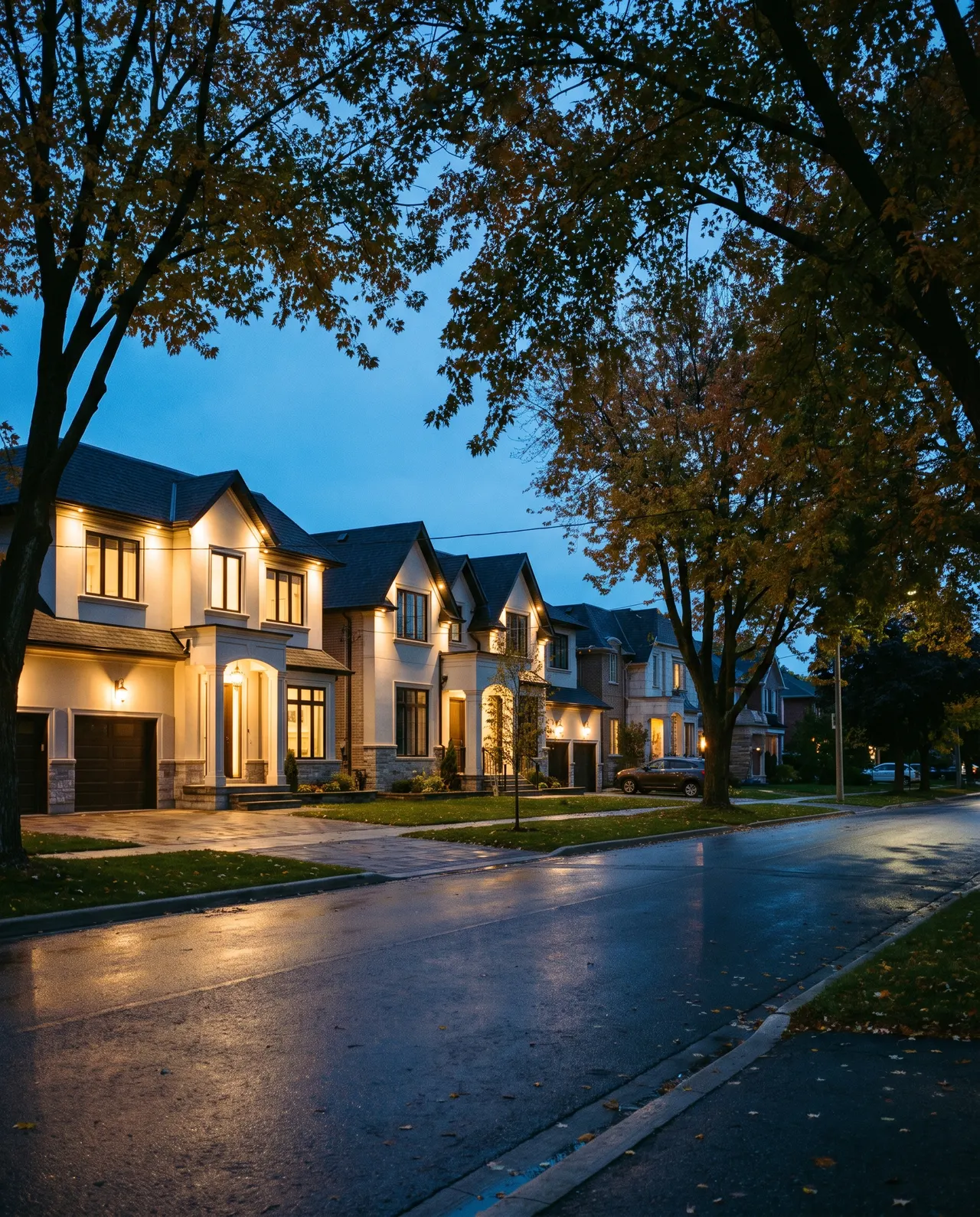
The standard case. The lender sends instructions, we prepare and register the mortgage, and the advance arrives on closing day. With less than 20% down, the mortgage must be default-insured.
If your income is self-employed, recent or hard to document, a mortgage broker may place you with an alternative lender. Rates are higher, a lender fee is common, and the instructions tend to carry more conditions, such as proof of income, a larger down payment or a guarantor. A guarantor usually has to get independent legal advice before signing. Our fee on a B-lender mortgage adds $400 + HST, shown in the quote.
A private lender, often arranged through a broker, may lend when institutional lenders won’t, including as a second mortgage. Terms are typically short, often a year, with lender and broker fees deducted from the advance. Read the renewal and prepayment terms closely, and plan how you will refinance out. The private lender may have its own lawyer, which adds a second set of legal costs. Private mortgages are quoted individually.
When you move to a better rate or take out equity, the same steps repeat: new lender instructions, discharge of the old mortgage and registration of the new one. How a refinance works
Closing day
Ontario closings are registered electronically. Nobody meets in a room; the two lawyers exchange documents and money, and the transfer is registered in the land registry.
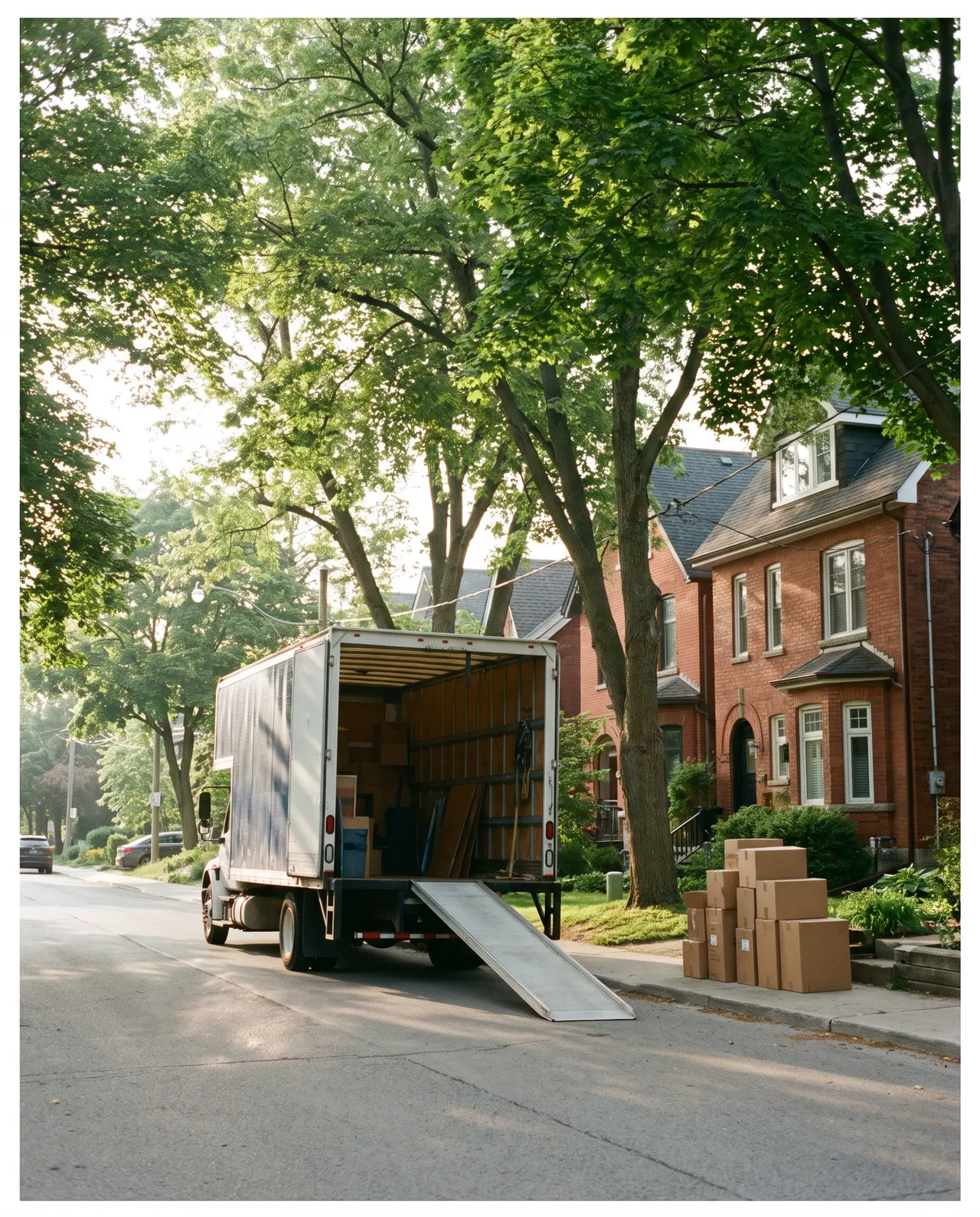
The buyer’s and seller’s lawyers sign a document registration agreement, so each holds the other’s documents and funds in trust until registration. On the day, your lender advances the mortgage to our trust account, your own closing funds are already there, and we run the final title and execution searches. Once the transfer and mortgage are registered, we send the balance to the seller’s lawyer, who pays out the seller’s mortgage, and the keys are released, usually through the listing agent.
The seller’s side runs in parallel: we get a payout statement from your lender, prepare the transfer, answer the buyer’s requisitions, pay out your mortgage from the sale proceeds and give an undertaking to discharge it, then send the balance to you. If you are selling as an estate trustee, the sale may need a certificate of appointment first; see probate and estate administration. Selling a home, step by step
If closing can’t happen on time, the lawyers can agree in writing to extend it. Without an agreement, the party who can’t close is in breach, and a buyer who fails to close can lose the deposit and be liable for the seller’s losses. That is why we confirm your mortgage funds and closing funds well before the date.
Fraud prevention
Real estate is a target because the amounts are large and the transfers are electronic. A few habits close most of the gaps.

Title fraud is when someone uses a stolen identity or forged documents to transfer a registered owner’s property, or mortgage it, without the owner knowing, then disappears with the money. It is one reason your lawyer must verify the identity of every client, and why lenders require title insurance: a title insurance policy covers losses from fraud and forgery. Owners of mortgage-free homes, rentals and vacant properties are frequent targets.
Fraudsters hack or imitate email accounts and send new banking instructions just before closing. Before you send closing funds, confirm the trust account details by phone, on a number you already have for your lawyer, never one in the email. A genuine law firm won’t object to the check.
Ontario advises victims of real estate fraud to report it to the police, get advice from a lawyer, contact the Land Registry Office for the property and place a security freeze with the credit bureaus. The province’s Land Titles Assurance Fund can compensate some losses caused by fraud. If a document you didn’t sign has been registered against your home, get legal advice quickly: the sooner it is dealt with, the less damage a fraudulent mortgage can do.
Testimonials
We recently retained Wannes Law to close a real estate transaction based on our semi-retired lawyer's recommendation. Rosalie was able to close this deal within 3 short days easily providing the highest quality service. She is professional, knowledgable, kind and everything else you are looking for in a lawyer. We hope to be working with Rosalie for many more years to come.
Rosalie provided thorough and expert service on our home purchase. She was always responsive and ensuring our best interests were met. She responded to all questions thoroughly and did extra research on a particular feature of our property which we weren't familiar with. I found her rates reasonable, especially considering the high level of service we received. She made the process of buying our first home simple and easier to understand. I would definitely use her for another real estate transaction and will be recommending her to friends and family.
I greatly enjoyed every minute of working and communicating with Rosalie while finalizing the sale of our property. Being highly professional and conscientious she made the entire process easy to understand at every step of the way. She was quick and responsive through the process, addressed all our questions and concerns patiently. It took only a couple of days for Rosalie to organize the paperwork, arrange the mortgage discharge and get us ready to receive the funds on the closing date. The transfer of funds was fast and seamless too. She is super organized, reliable and competent and my number one to go to in case I need a lawyer again.
It was a pleasure working with Wannes Law, everything was seamless, we didn't have to move and everything was arranged for us. 2 days before closing Rosalie explained the process and documents, cleared any doubts that we had and on closing day we received all the documents in order.
Questions
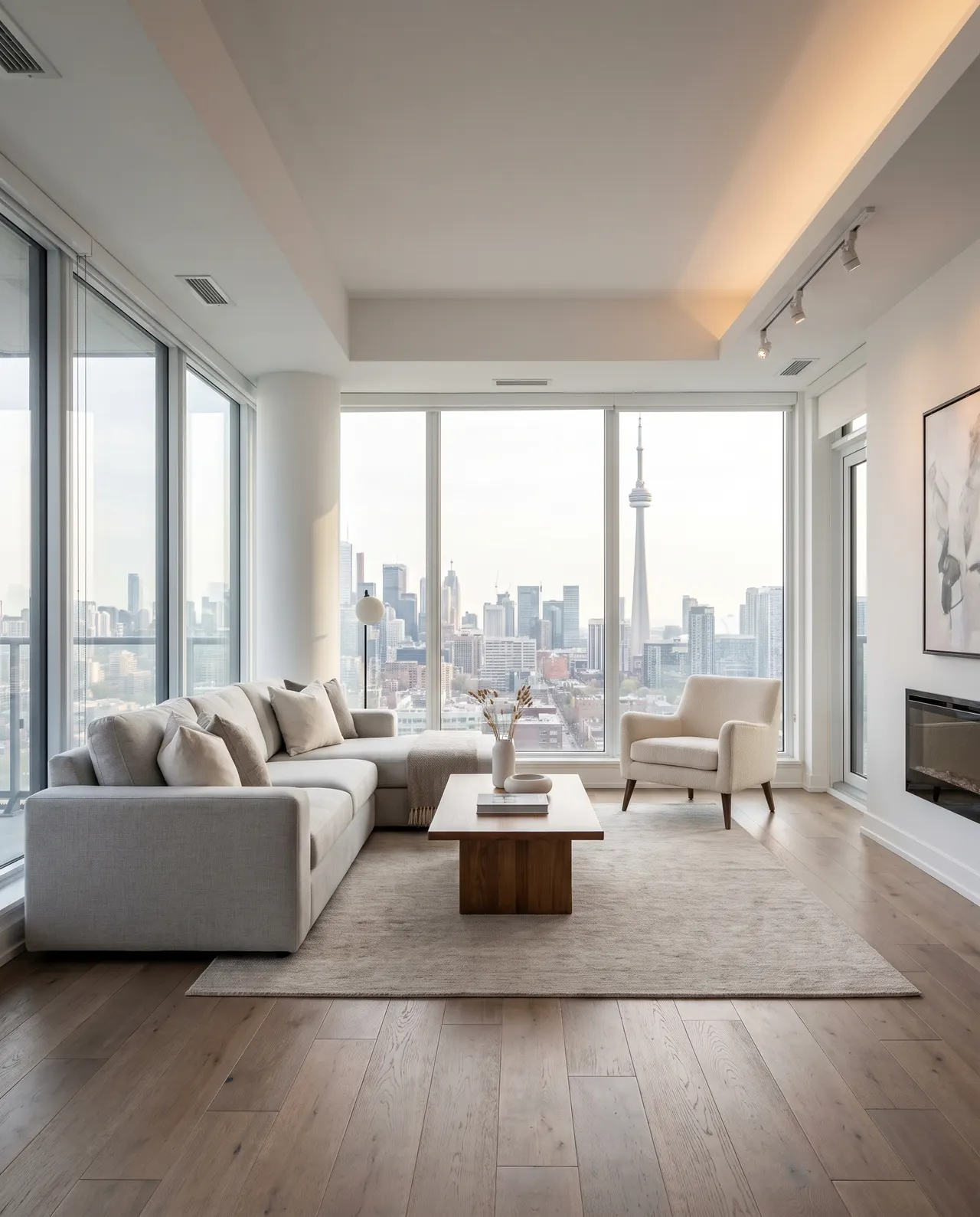
Our legal fee for a purchase, sale or refinance is calculated from the price and shown instantly in the online quote before you retain us. Disbursements, title insurance and land transfer tax are separate. Our guide to real estate lawyer fees in Ontario explains each cost.
As of 2026, about $16,475 to Ontario and $16,475 to the City of Toronto, $32,950 in total. A first-time buyer who qualifies for both refunds pays about $24,475. Outside Toronto, for example in Markham or Mississauga, only the provincial $16,475 applies.
Yes, but they may get refunds: up to $4,000 from Ontario and up to $4,475 from Toronto. You must be a Canadian citizen or permanent resident, never have owned a home anywhere, and move in within nine months. The refunds are usually claimed when the transfer is registered.
Your lawyer reviews the agreement of purchase and sale, makes sure the property is free of title defects, acts for your lender, and registers the transfer and your mortgage. In Ontario, electronic registration of a transfer requires a lawyer’s statements, and the lawyer holds the funds in trust until registration.
Title insurance is a one-time premium that protects you against covered title problems, including fraud, forgery, errors, and many issues an up-to-date survey would have revealed. We place it through Stewart Title, which sets the premium. A survey is still worth getting if you plan to build near a lot line or suspect a boundary issue.
Our review is $250 + HST, with written notes and a call to go through them, and it is complimentary if you complete the purchase with Wannes Law. The condo corporation must deliver the certificate within 10 days of your request and payment, so order it as soon as your offer is accepted.
A parcel of tied land: a freehold house tied to a common elements condominium that owns shared features such as a private road. You own your house and lot, but pay a monthly fee for the common elements, and you should review that corporation’s status certificate before firming up.
Yes. We can review the documents with you by video while you sign on paper; the originals are then couriered to our office.
The closing statement that balances what the buyer and seller owe each other on closing day: the price, the deposit already paid, and credits for property tax, condo fees or other costs the seller prepaid past the closing date. We go through it with you before you sign.
The buyer’s and seller’s lawyers can agree in writing to extend the closing. Without an extension, the party who can’t close is in breach of the agreement; a buyer can lose the deposit and be liable for the seller’s losses. That is why we confirm mortgage and closing funds well ahead of the date.
Yes. Our office is in Toronto, at 3319 Sheppard Ave E, and we act on transactions across Toronto and the GTA, including Durham, York and Peel regions: Markham, Richmond Hill, Pickering, Ajax, Whitby, Oshawa, Mississauga and Brampton. Real estate in Scarborough · North York
For a residential single-family home on city services, vacant on closing, with one first mortgage and no other liens on title, when we receive the agreement and mortgage instructions at least five business days before closing. Investment and commercial properties, occupancy closings, additional mortgages or lines of credit, and bridge loans cost more; the quote says so up front.
Guides
If you are buying or selling a home, real estate lawyer fees in Ontario are one closing cost you cannot skip — the law…

Real estate lawyer disbursements are third party costs that your lawyer pays to complete your transaction. The legal fee covers the firm's own work.…

A status certificate review by a real estate lawyer is one of the most important steps in any condo purchase in Ontario.
Areas We Serve
From our Toronto office we act for clients across the Greater Toronto Area, including Durham, York and Peel regions: Markham, Richmond Hill, Pickering, Ajax, Whitby, Oshawa, Mississauga and Brampton.
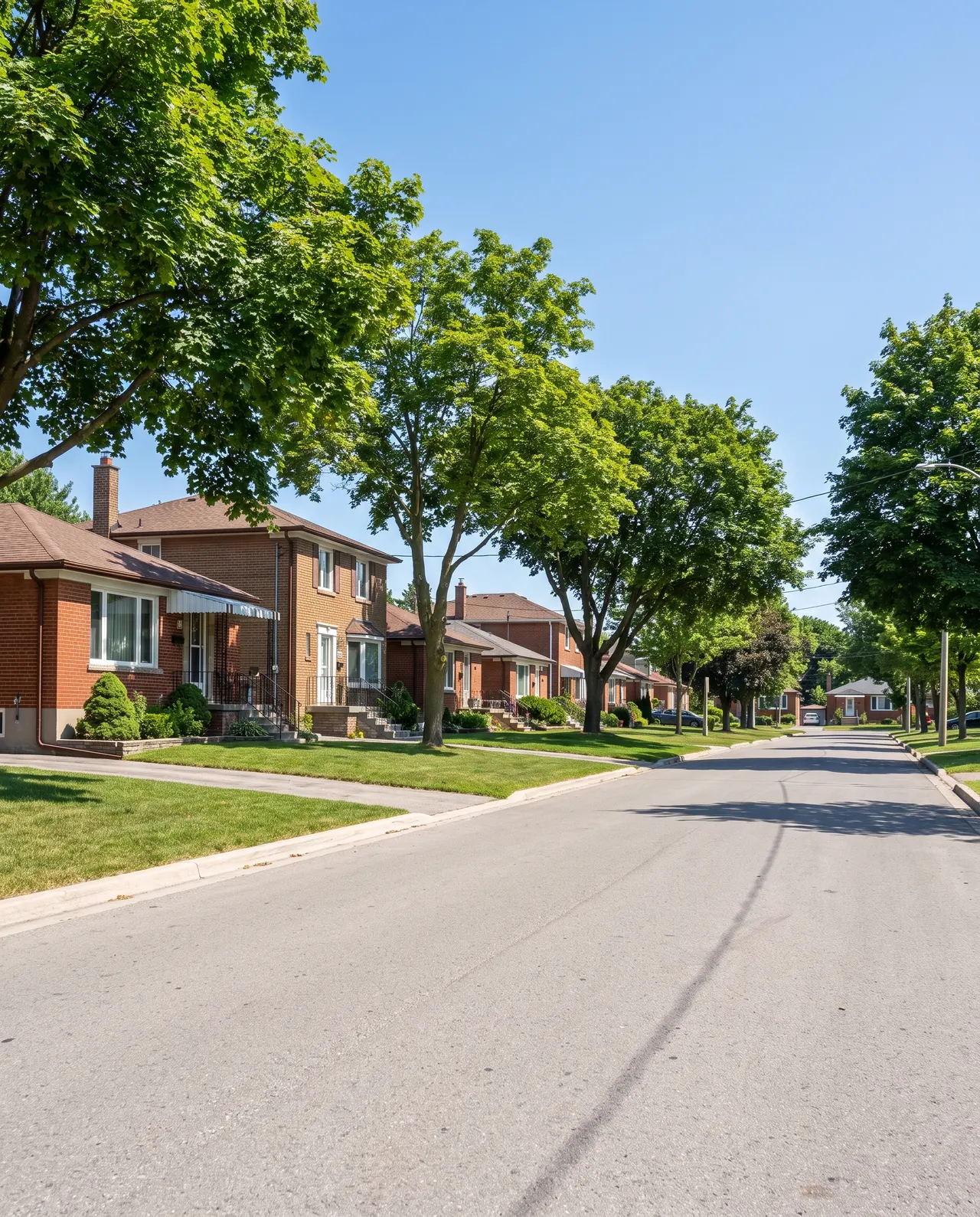
Real estate lawyer for Scarborough clients. Our office is on Sheppard Ave E.
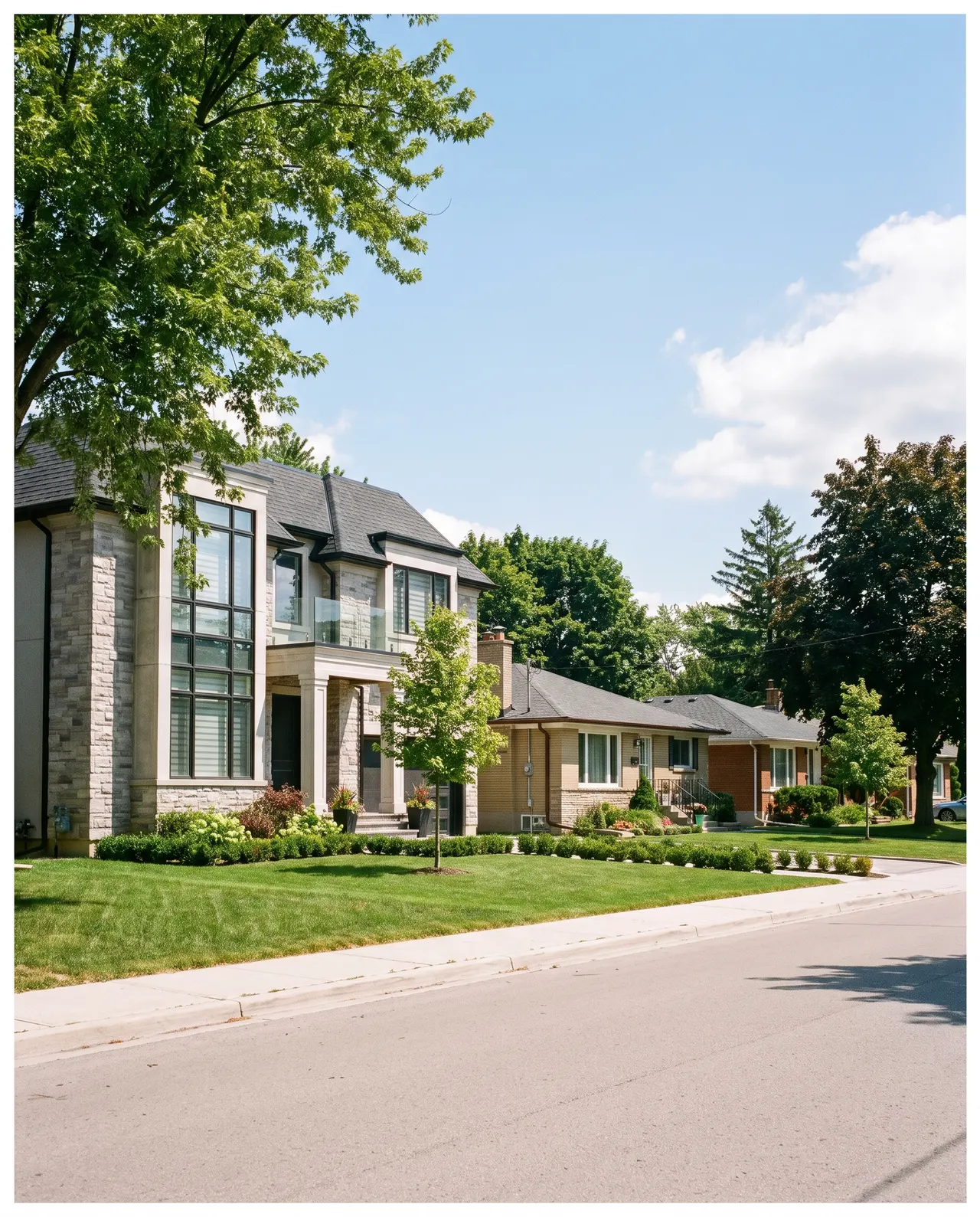
Real estate lawyer for North York clients.
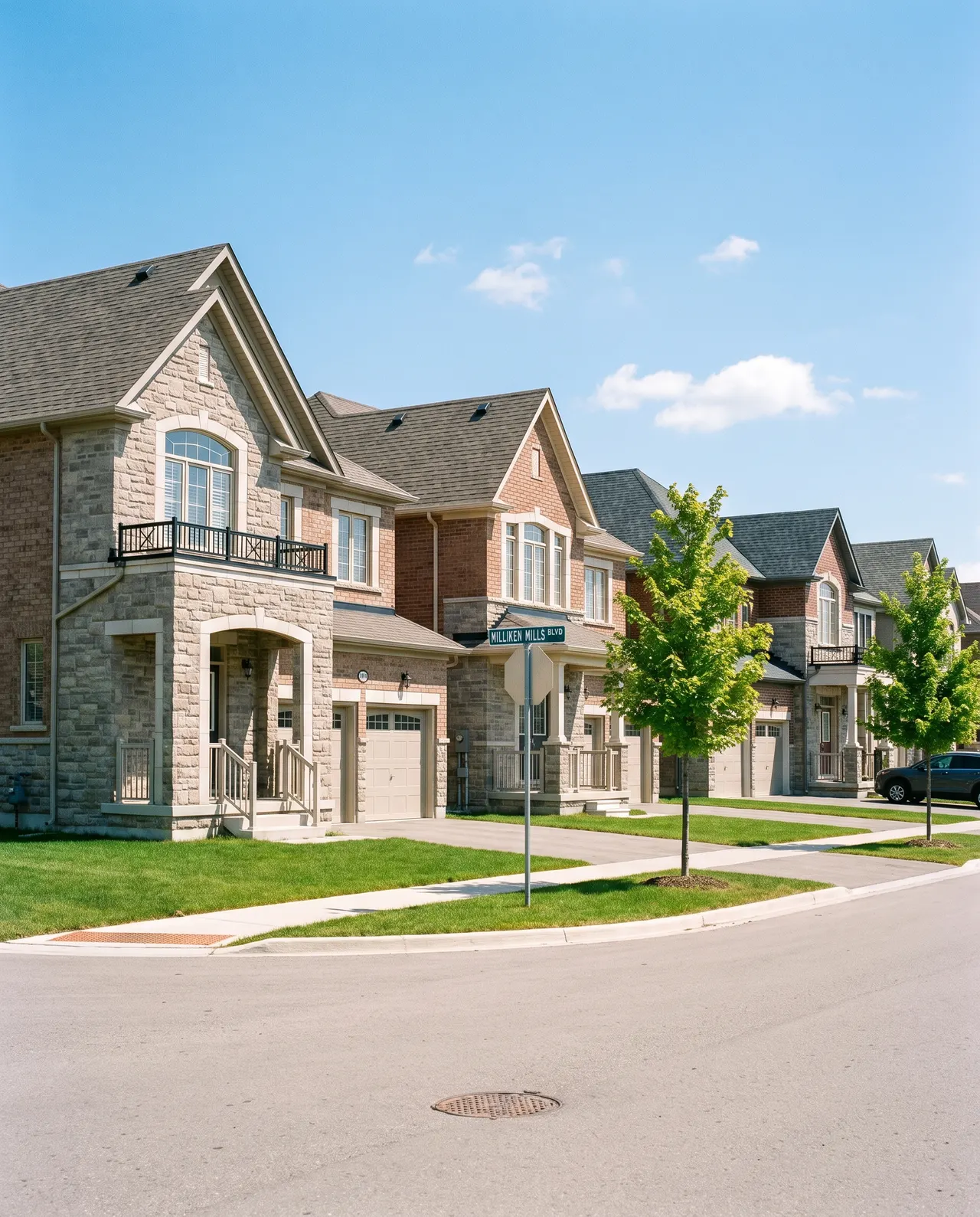
Real estate lawyer for Markham clients.

Here to help
Put in your price for an instant legal fee, or book a free 15-minute call to talk through your agreement.
Prefer to talk now? Call (647) 707-7718 · Service in English, Armenian and Arabic