

Trent-Severn Waterway
Parks Canada owns the lakebed, and the dock doesn’t come with the deed
This is the biggest difference between a Kawartha cottage and one in Muskoka or Haliburton. The general rules for docks and shorelines are on our cottage property page; this is what changes on the waterway.
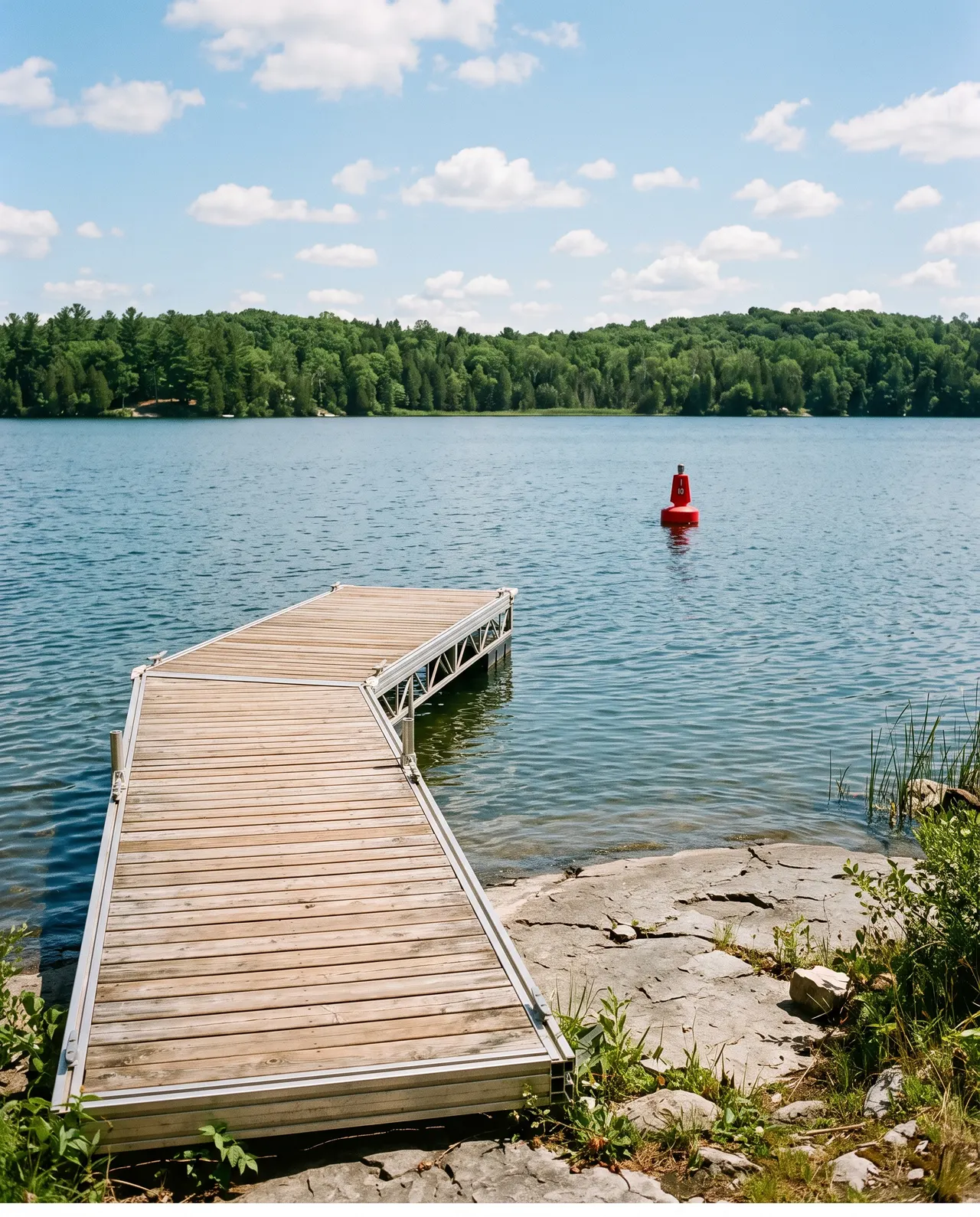
Every dock is a Parks Canada matter
Parks Canada owns the bed of the waterway’s lakes and rivers up to the original upper controlled water level, and its in-water and shoreline works permit is required for anything built on, under or over that bed: docks, boathouses, boatlifts, swim rafts, launch ramps, shoreline walls and dredging. Parks Canada says plainly that no in-water structure is grandfathered and that buying a property does not carry the seller’s dock permission with it. A new owner applies in their own name, and a dock that doesn’t meet the current policies may have to be altered or removed when it is next replaced.
What that means for an offer
- Ask the seller for every Parks Canada permit for the dock, boathouse and any shoreline wall, with the approved drawings.
- Compare them with what is actually in the water. The current policy limits a dock to 32 feet unless site conditions justify more, and allows one dock on a road-access lot, two on a water-access-only lot.
- A wet-slip boathouse or a crib dock that was never permitted is a price and risk question, not a formality. Put the permit review in a condition, with time to ask Parks Canada.
- Plans to rebuild, extend or dredge? Permits are valid for one year and Parks Canada asks for applications several months ahead.
When the cottage sits on Parks Canada land
Some waterfront lots are partly or wholly federal land, occupied under a licence of occupation. Licences are not transferable: Parks Canada cancels the seller’s and issues a new one to the buyer. For cottage lots the annual rent is 7.5% of the appraised land value, use is generally seasonal, May to October, and Parks Canada does not sell the land. Where the line between your lot and federal land falls is a title and survey question, which is why we search it before you are committed.
Septic and water
Septic records, mandatory inspections and municipal water in the City
In Kawartha Lakes the City itself issues sewage system permits and keeps the records, not the health unit. That makes the paper trail easier to get before you firm up.
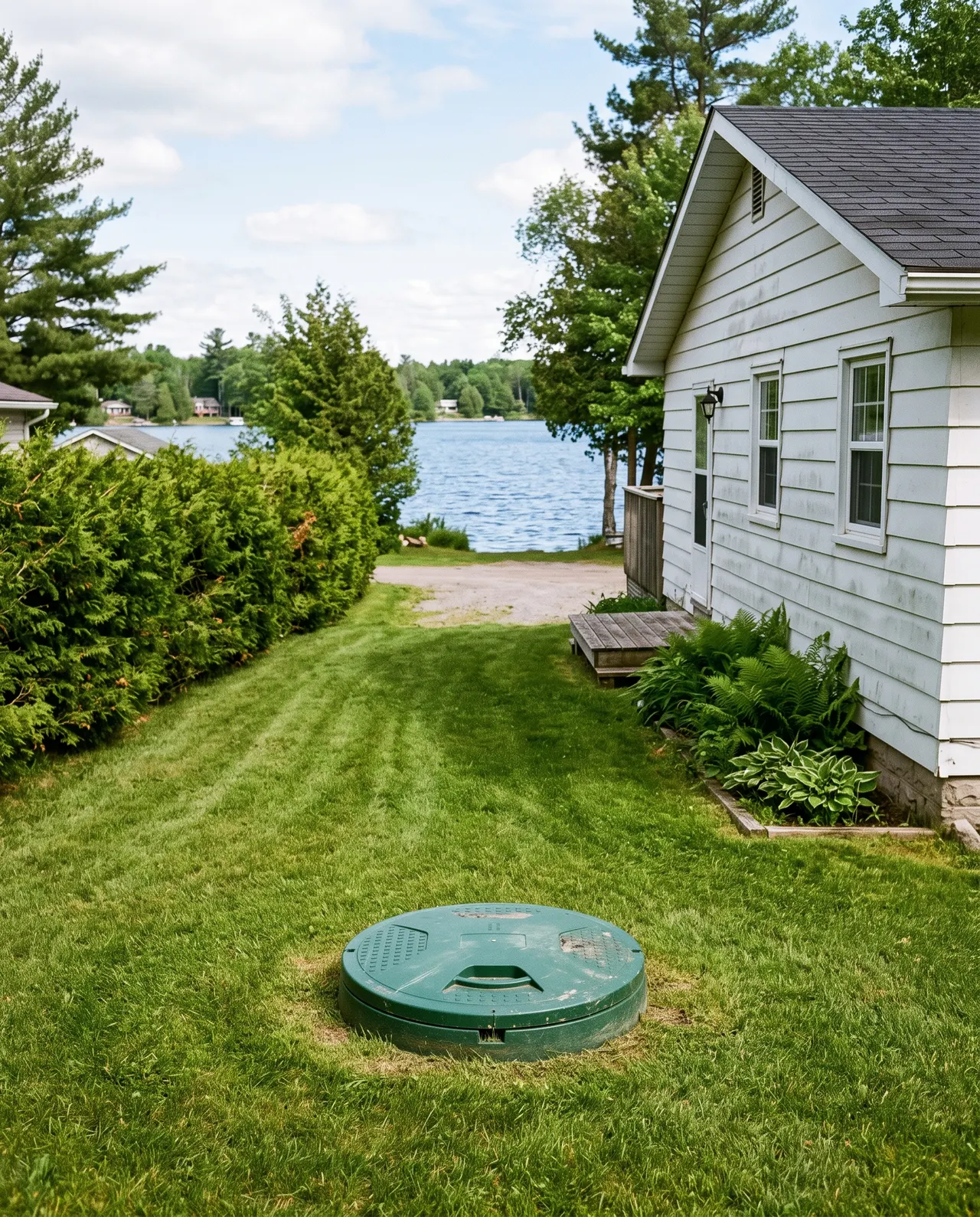
Getting the septic file
The City’s Building and Septic Division administers the Building Code for sewage systems up to 10,000 litres a day, and its search of records covers septic files back to about 1974: use permits before 1998, installation reports after, and review letters showing capacity limits. As of 2026 a septic search costs $50 and usually takes one or two days; a building search is a separate request. Someone other than the owner needs the owner’s authorization, so ask the seller to sign it with the offer. The City says the search alone is not due diligence for a sale and points buyers to a Building and Septic Compliance Letter, which we request as part of our searches.
A bunkie, a bedroom or a boathouse later
The City requires a sewage system review before adding a bedroom or plumbing fixtures, or building a deck, garage, bunkie or boathouse. If the plan is to sleep more people, find out before you buy whether the existing system was approved for it. A permit file showing a two-bedroom design for a four-bedroom cottage is worth a price conversation.
Mandatory inspections near drinking water intakes
Systems in the wellhead and surface water intake protection zones around the City’s drinking water sources are on a five-year mandatory inspection cycle. If the cottage is in one, ask for the last inspection notice; any upgrades it required are the owner’s to make, and after closing that owner is you.
Not every waterfront property has a well
The City owns twenty-one drinking water systems, including Lindsay and Bobcaygeon and small subdivision systems such as Canadiana Shores. A cottage on one has a water account and no well to test. Off those systems, the well rules on our hub page apply.
Why Wannes Law
A Toronto law firm that keeps you informed
-
A licensed Ontario lawyer
Rosalie Wannes, licensed by the Law Society of Ontario, is responsible for your file from start to finish.
-
Fees before you commit
Instant online quotes and published flat fees, so you know the cost before you retain us.
-
Every step explained
Plain-language explanations of what happens, what you provide and what we handle, at every stage.
-
Direct access
Reach your lawyer and law clerk directly by phone and email while your matter is underway.
-
Sign in person or remotely
Meet at our Sheppard Ave E office in Toronto, or review documents by video and courier the originals.
-
English, Armenian and Arabic
Talk through your matter in the language you are most comfortable with.
City rules
Shore road allowances, seasonal roads and Kawartha Conservation
Three things the City of Kawartha Lakes handles in its own way. Figures are the City’s published amounts as of 2026 and change; we confirm them on each file.
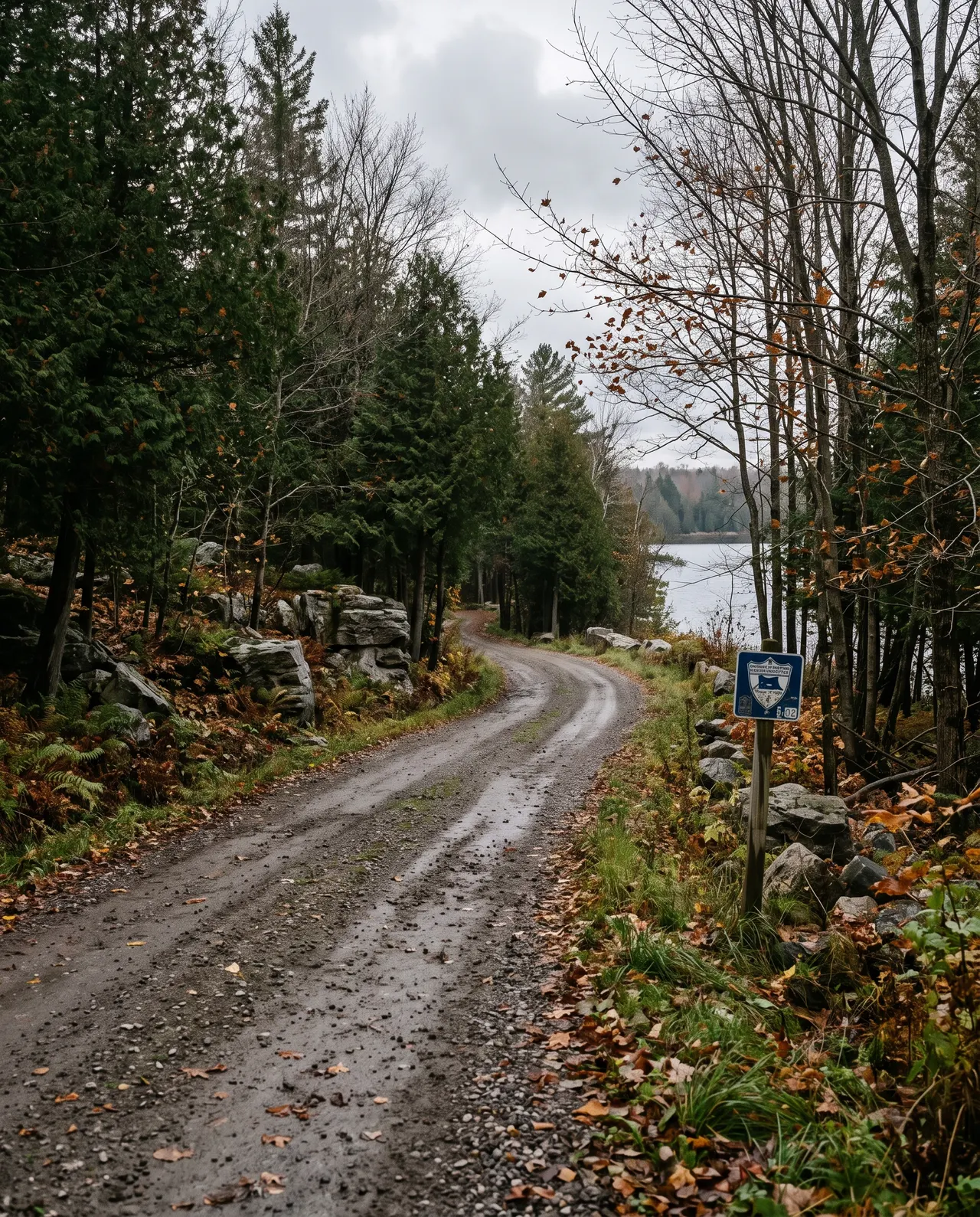
Shore road allowance
- The City sells unopened shoreline road allowances to the adjoining owner through Realty Services
- Set price beside a lake: $9.00 per sq ft; beside a river: $3.50, plus the survey, advertising, staff time and your own lawyer
- Expect 12 to 18 months; Council can still say no until it passes the sale by-law
- A dock or shed on the allowance can instead be covered by a five-year licence agreement; we ask the City whether it continues for a buyer
Roads in winter
- Under the City’s seasonal road policy, signed seasonal roads get no City maintenance from November 15 to April 15
- In season they are graded at most twice a year and not patrolled
- Owners who want to plow one must apply to Public Works in writing before September 1 and answer for any damage
- A road allowance status inquiry confirms who maintains a road and whether the City assumed it
Kawartha Conservation
- Since April 1, 2024, O. Reg. 41/24 governs its permits for building, fill, grading and shoreline work in regulated areas
- Its Property Information Request letter shows the regulated features on a lot; it is not a permit
- Not all of the City is in its watershed, so we check which authority applies
- A conservation permit does not replace the Parks Canada one, or the reverse
Buying a lot where the shore road allowance was already closed? The title search should show the City’s closing by-law and its transfer to a past owner. If it doesn’t, the strip between the lot line and the water may still belong to the City, whatever the listing says.
Fees
Fees for a Kawartha Lakes cottage
Our flat residential fee applies only to a home on city services, vacant on closing, with one first mortgage. A cottage is quoted after we see the property details: the listing, the water and septic, the road, and whether the dock or lot involves Parks Canada. Send them through the quote form, or book a free 15-minute call first.
Questions
Kawartha Lakes cottage questions
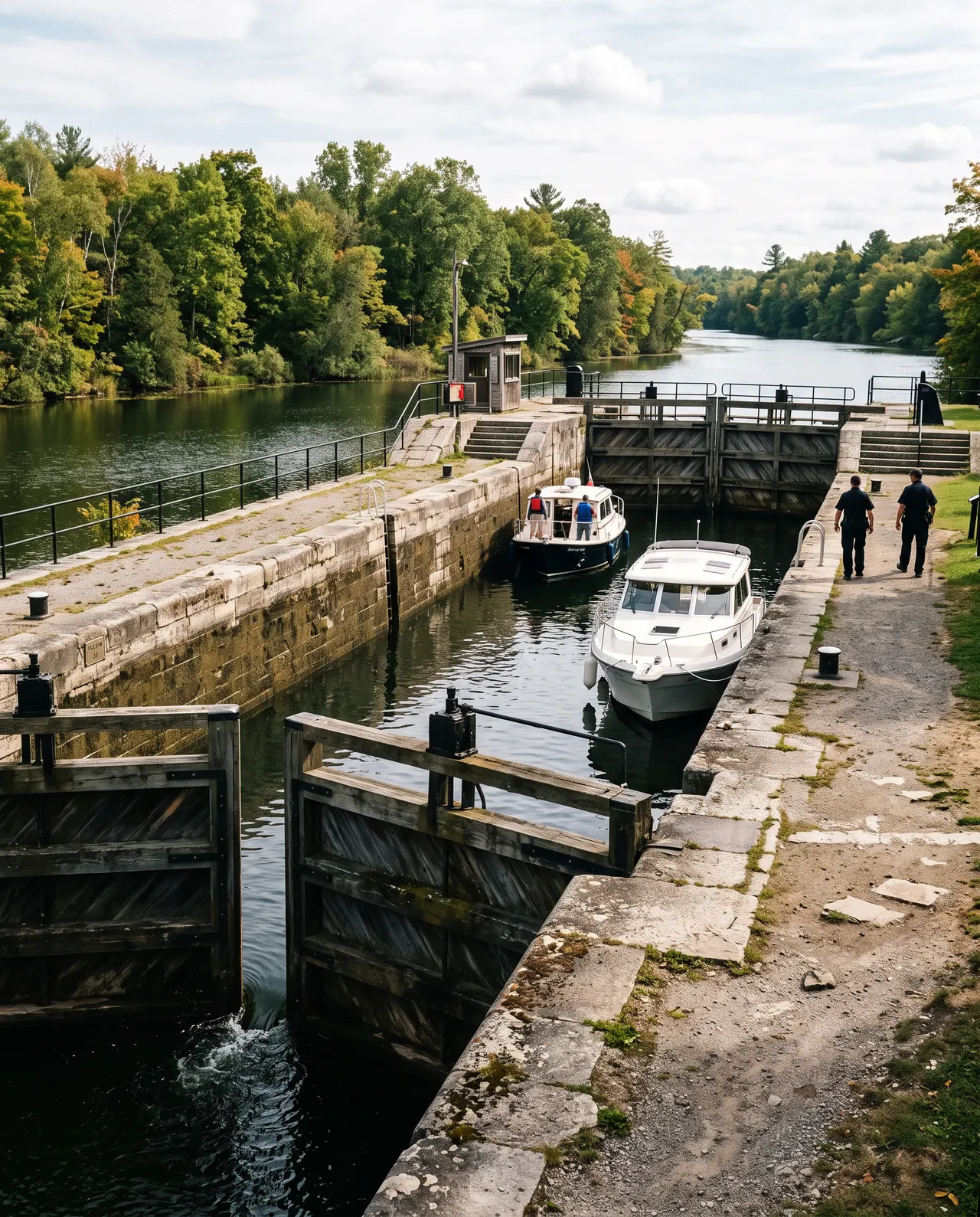
Does the dock come with the cottage?
The structure does, but the right to keep it in the water doesn’t transfer automatically. On the Trent-Severn Waterway, Parks Canada owns the lakebed, nothing is grandfathered, and a new owner has to apply for their own permit. Get the seller’s permits and drawings before your conditions expire.
The listing says the shore road allowance was closed. How do we confirm it?
From title. A closed allowance shows up as a City by-law and a transfer from the City to an earlier owner. If neither is there, the strip along the water may still be City land. The City sells lakefront allowances at $9.00 a square foot as of 2026, plus survey and other costs, and the process takes 12 to 18 months.
Will the road be plowed in winter?
Not if it is a signed seasonal road: the City doesn’t maintain those from November 15 to April 15. A private road depends on whatever the owners have agreed. We confirm the road’s status with the City before you waive conditions, and our cottage property page explains road agreements.
Can I see the septic records before I firm up?
Usually, yes. The City keeps septic files back to about 1974; as of 2026 a search costs $50 and takes a day or two, with the owner’s written authorization. Put a condition in the offer that gives you time to get the file and a septic inspection.
We are also looking at Buckhorn, Chemong and Stony Lake. Are the rules the same?
Those lakes are in Peterborough County townships, not the City of Kawartha Lakes. Parks Canada’s waterway rules are the same, but septic permits, shore road allowance prices and road policies belong to that township. Trent Lakes, for example, has issued its own sewage system permits since 2024. We check the right municipality from the tax bill.
My father lived in Toronto and left his Bobcaygeon cottage in his will. Where is probate filed?
Where he lived, not where the cottage is. Under Ontario’s Estates Act, the application goes to the court office for the place the person lived at death, so Toronto in this case; the cottage is still counted for estate administration tax. If he had moved to the cottage full time, it would go to the Superior Court in Lindsay, 440 Kent Street West. Our probate page explains the application.
Do you have an office in Kawartha Lakes?
No. Our only office is in Toronto. We handle cottage files remotely: we review documents with you by video while you sign on paper, and the originals are couriered to us. You can also sign at the office.
Related
More on cottage property


Here to help
Check the dock permit and the shoreline before you firm up.
Send us the listing through the quote form, or book a free 15-minute call to go through a Kawartha Lakes property.
Prefer to talk now? Call (647) 707-7718 · Service in English, Armenian and Arabic