

Who this is for
Buying a resale home, a condo or your first home
For buyers of houses, townhouses and condos in Scarborough, across Toronto and throughout the GTA. This page goes into the parts of a purchase buyers ask about most; the full sequence, land transfer tax tables and closing costs are on our real estate law page.
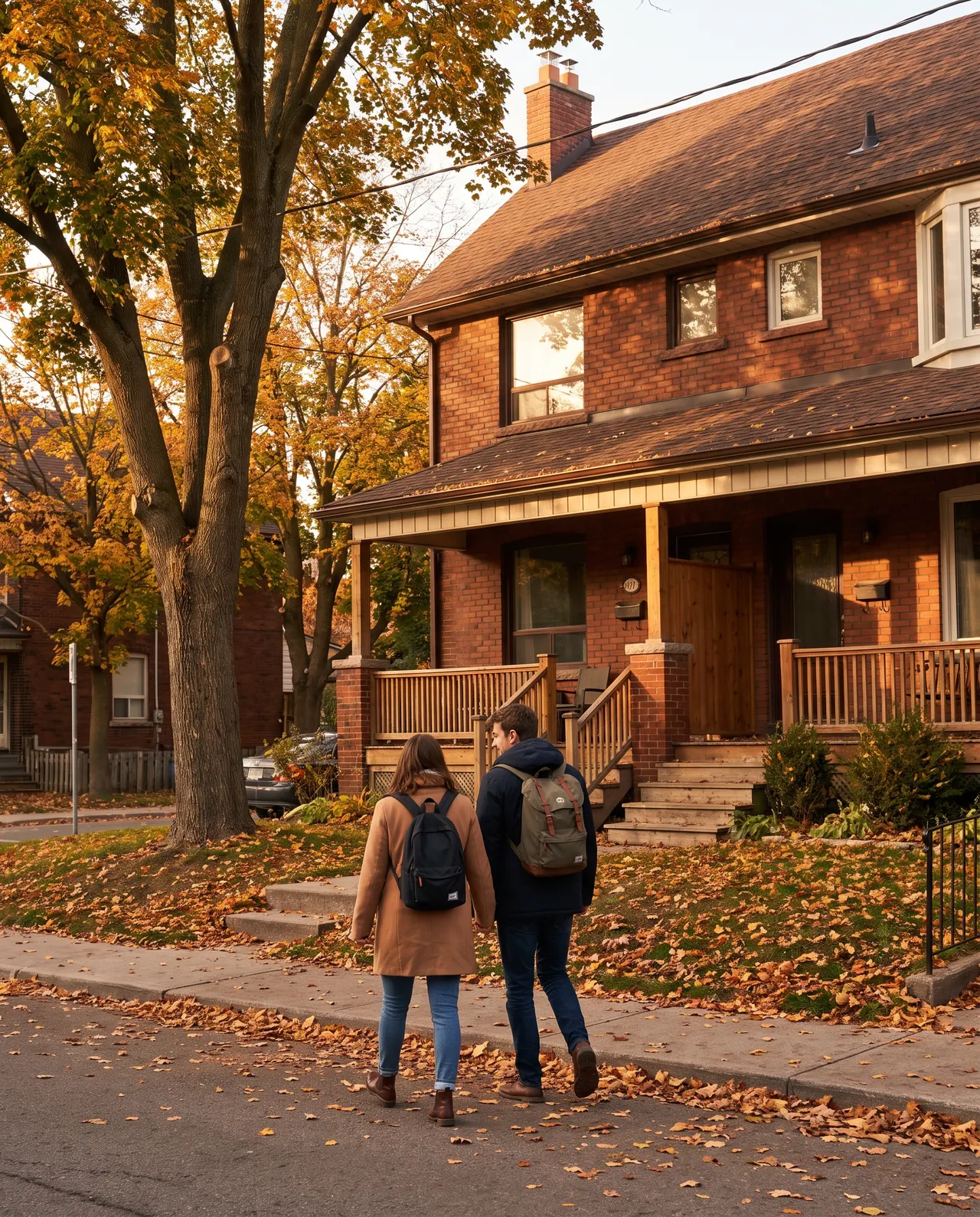
Common situations
- First-time buyers who want every document explained
- Condo and POTL buyers with a status certificate condition
- Buyers moving up while selling another home; one quote covers both
- Buying a house or condo that is rented to a tenant
- Parents helping with a down payment or going on title
- Buyers who can’t come in to sign; remote signing by video
Included in the legal fee
- Review of the agreement of purchase and sale, amendments and waivers
- Review of the status certificate, if applicable
- Review of the title search and writ search
- Arranging title insurance
- Review of your insurance binder
- Review of your lender’s first-mortgage instructions
- Preparation of the mortgage and closing documents
- Direct access to your lawyer and law clerk by phone and email
Buying a new build from a builder? Start with a pre-construction agreement review instead: the protections and the timing are different.
How it works
The purchase, step by step
Most resale purchases in Toronto close 30 to 90 days after the offer is accepted. Most of our work happens in the last two to three weeks, but the earlier we see the agreement, the more of your options stay open.

-
Step 1: Send the agreement early
Ideally before your conditions expire, so any concern about the agreement, the title or the condo corporation can be raised while you can still walk away. The standard fee applies when we have the agreement and mortgage instructions at least five business days before closing.
You provide
- Agreement of purchase and sale, amendments and waivers
- Status certificate, for a condo or POTL
-
Step 2: Identity, title and how you’ll own it
We verify each buyer’s identity, as Law Society rules require, and settle how you will hold title: as joint tenants, where the survivor owns the whole, or as tenants in common, where each share passes under its owner’s will. If a parent is contributing, we record whether the money is a gift or a loan, because your lender will ask.
You provide
- Government photo ID for each buyer
- Mortgage commitment and lender contact
- Home insurance binder effective on closing day
-
Step 3: Title search and requisitions
We search title and executions and raise any problem with the seller’s lawyer before the requisition date in your agreement. Title insurance is arranged through Stewart Title, which sets the premium.
We handle
- Title and writ search review
- Requisition letter to the seller’s lawyer
- Title insurance
-
Step 4: Your lender’s instructions
We check the lender’s instructions against your commitment: the amount, rate, term and any conditions such as an appraisal, proof of down payment or paying off another debt. Anything unexpected is raised with you and your broker before closing week, not on the day.
We handle
- Review of the mortgage instructions
- Preparation of the mortgage documents
-
Step 5: The numbers before you sign
About a week before closing you see the statement of adjustments and the exact amount to bring: the balance of the price, land transfer tax after any first-time buyer refunds, title insurance, disbursements and our fee.
-
Step 6: Sign in person or by video
At our Sheppard Ave E office in Toronto, or by video while you sign on paper and courier the originals back. We go through each document with you before you sign it.
-
Step 7: Closing day and keys
Final searches, electronic registration of your transfer and mortgage, release of funds to the seller’s lawyer and arranging your keys. A reporting letter with your registered documents and title insurance policy follows.
Why Wannes Law
A Toronto law firm that keeps you informed
-
A licensed Ontario lawyer
Rosalie Wannes, licensed by the Law Society of Ontario, is responsible for your file from start to finish.
-
Fees before you commit
Instant online quotes and published flat fees, so you know the cost before you retain us.
-
Every step explained
Plain-language explanations of what happens, what you provide and what we handle, at every stage.
-
Direct access
Reach your lawyer and law clerk directly by phone and email while your matter is underway.
-
Sign in person or remotely
Meet at our Sheppard Ave E office in Toronto, or review documents by video and courier the originals.
-
English, Armenian and Arabic
Talk through your matter in the language you are most comfortable with.
Before it goes firm
Your deposit, your conditions and the day the deal goes firm
The most important legal moment in a purchase isn’t closing day. It’s the day you waive your conditions.

The deposit
Most Ontario resale agreements require the deposit “upon acceptance”, usually within 24 hours, and it is held in trust by the listing brokerage until closing, when it is credited to you on the statement of adjustments. It is not a fee: it is part of the price. But it is also the seller’s security. If you don’t close, the seller can generally keep it and claim any further loss, such as a lower price on a resale.
Conditions
A condition lets you end the deal if something isn’t satisfied by a set date. The common ones are financing, a home inspection, a status certificate review for a condo or POTL, a lawyer’s review of the agreement, and the sale of your current home. Each condition has a deadline and says whether it must be waived or fulfilled by notice. Miss the deadline and the agreement may become void, or firm, depending on the wording, so read it with us rather than assume.
Going firm
Once every condition is waived or fulfilled, the agreement is firm and binding. From that point your mortgage approval, your down payment and your closing date all have to hold. Before you waive financing, confirm with your lender or broker that the approval is final, not pre-approval, and that any conditions in it, such as an appraisal or proof of income, have been cleared. If you are selling another home to fund this one, check that the two closing dates work together, or that bridge financing is arranged.
What we can still fix after firm
Title problems can still be raised up to the requisition date, and the seller must deliver what the agreement promises: good title, vacant possession if agreed, and the chattels and fixtures listed. What can’t be undone after firm is the bargain itself, which is why a review before you waive is worth more than one afterwards.
Fees
Your legal fee, before you commit
Not included: disbursements (government registration and search fees), the title insurance premium set by Stewart Title, and land transfer tax. Occupancy closings, investment properties, additional mortgages and bridge loans cost more; the quote tells you first. Every disbursement, itemised
Get your instant quoteFirst-time buyers
First-time buyer land transfer tax refunds, and who qualifies
In the City of Toronto, which includes Scarborough and North York, a first-time buyer can recover up to $8,475 of land transfer tax, as of 2026. The rules are strict, and one past ownership interest anywhere in the world disqualifies you.
How much
Ontario refunds up to $4,000 of the provincial tax. If the home is in Toronto, the City rebates up to $4,475 of the municipal tax. Outside Toronto, in Markham, Pickering or Mississauga for example, only the provincial refund applies, because there is no municipal tax to rebate.
Who qualifies
For both, you must be at least 18, a Canadian citizen or permanent resident, and move in as your principal residence within nine months of closing. You must never have owned a home, or an interest in one, anywhere in the world. That includes a share of a home you were put on title for, such as a parent’s house. If your spouse owned a home while you were together, neither of you qualifies. Ontario publishes the first-time homebuyer refund conditions, and Toronto lists its first-time purchaser rebate.
Buying with someone who doesn’t qualify
If you buy with a partner, parent or friend who has owned before, the refund is limited to your share. Buy 50/50 and you receive half the maximum. It is worth deciding the split on title with this in mind, and before the agreement is signed if the names on it matter.
When it is claimed
We normally claim both on registration, so the refunds reduce the cheque you bring to close. If they weren’t claimed then, you can still apply to each government within 18 months of registration.
Your down payment
First-time buyers can also draw on registered savings. As of 2026, the Home Buyers’ Plan lets you withdraw up to $60,000 from your RRSP, and it can be combined with a qualifying withdrawal from a first home savings account for the same home; the CRA explains the Home Buyers’ Plan rules. Your financial institution handles the withdrawal; we only need to see that the funds are in place before closing.
Condo, POTL or freehold
What changes when you buy a condo, a POTL or a freehold house
The purchase steps are the same. What you need to check before firm, and what shows up on your statement of adjustments, is not.

Condominium apartments and townhouses
The status certificate is the key document: it shows the corporation’s budget, reserve fund, any special assessment, lawsuits and the rules you will live under, including on pets, rentals and short-term stays. The corporation has 10 days from the request and payment to deliver it, so order it the day your offer is accepted. Check that the parking space and locker you think you are buying are actually part of the deal: in many Toronto buildings they are separate legal units, or exclusive-use common elements assigned to the unit, and the agreement and certificate should match. On closing you reimburse the seller for any common expenses they prepaid past the closing date. Our guide to reviewing a condo status certificate covers what to look for line by line.
POTLs
A parcel of tied land is a freehold house tied to a common elements condominium that owns something shared, such as a private road or visitor parking. You still need that corporation’s status certificate, and the monthly fee and any reserve shortfall matter just as they would for a condo. POTL townhouses are common in newer parts of Scarborough, Markham and Pickering, and listings don’t always make the ownership type clear; the title search does.
Freehold houses
With a freehold you take on the whole building and lot. Ask whether there is an up-to-date survey, especially if you plan to add a fence, pool or addition; ask about open building permits for past renovations; and ask whether the water heater, furnace or air conditioner is rented. Rental contracts often pass to the buyer on closing and are sometimes registered on title as a notice of security interest, so we check title for them and the agreement should say who takes them over.
Buying a tenanted property
Buying a home with a tenant in it
A lease doesn’t end because the property is sold. Decide early whether you want the tenant to stay or need the home empty on closing.
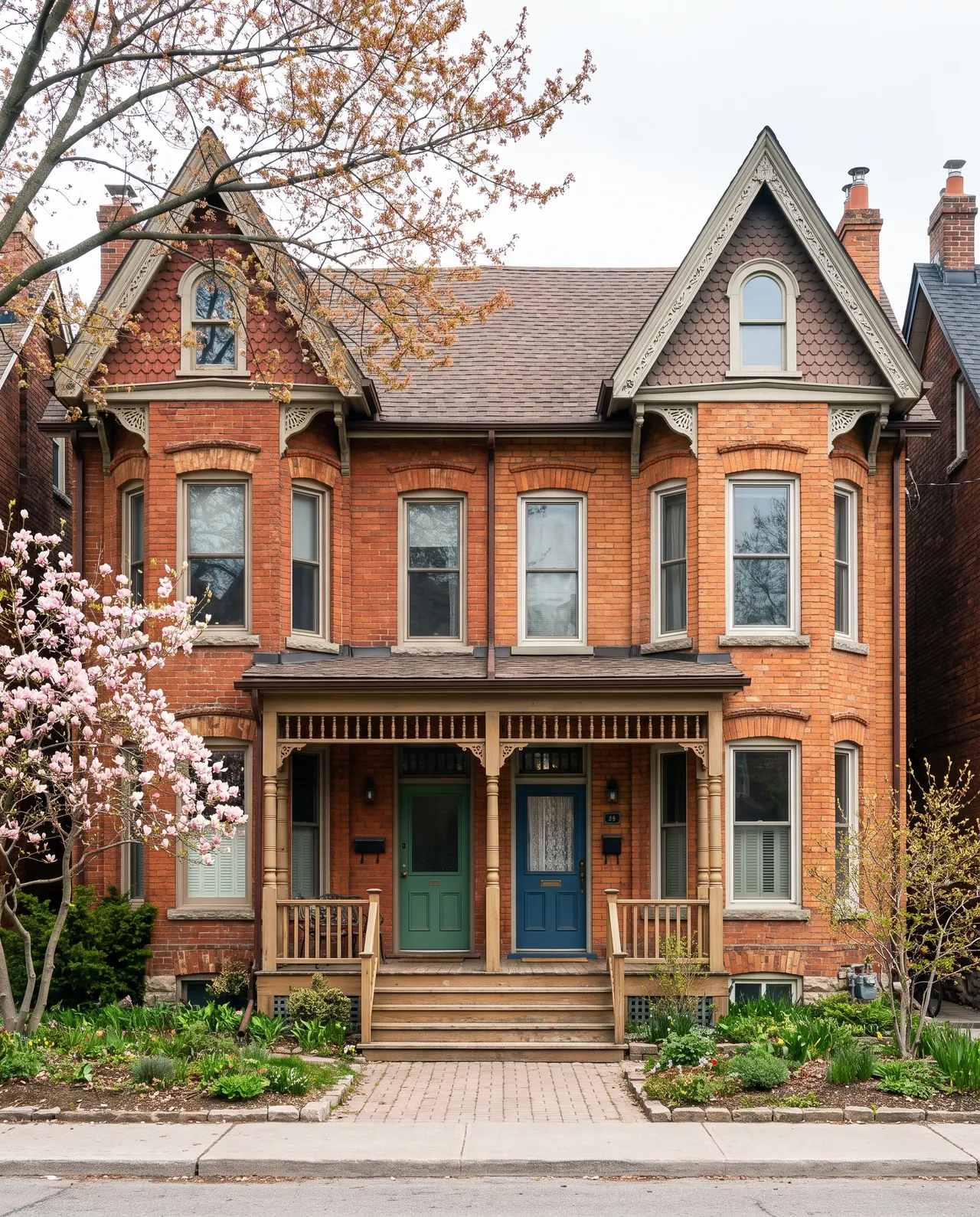
If you want to move in
Under the Residential Tenancies Act, once there is an agreement of purchase and sale, the seller can give the tenant notice (Form N12) because the buyer, or the buyer’s spouse, child, parent, spouse’s child or parent, or a caregiver, genuinely intends to live there. This is available for a building with three or fewer residential units, or a condominium unit. The notice must give at least 60 days and end on the last day of the rental period or fixed term, and the selling landlord must pay the tenant one month’s rent, or offer another acceptable unit, by the termination date. Recent changes letting landlords skip compensation with 120 days’ notice do not apply to a purchaser’s-use notice. The Landlord and Tenant Board sets this out in its guideline on eviction for personal use.
The risk is timing. A tenant who doesn’t leave can’t be removed without a Board order, and that can take longer than your closing. Your agreement should say clearly whether the seller must deliver vacant possession, and what happens if they can’t. Your lender also needs to know if the home will be tenanted, even briefly.
If the tenant is staying
You step into the seller’s shoes as landlord. Ask for a copy of the lease, the current rent and when it was last increased, and confirm any last month’s rent deposit the seller is holding; it is credited to you on the statement of adjustments because you will owe it to the tenant. We prepare a direction telling the tenant where to pay rent from closing. Disputes with a tenant after closing are a separate matter; see our landlord and tenant page.
Closing day
Closing day, from your side: funds, registration and your keys
You don’t attend anything on closing day. Your part is done in the days before; the day itself belongs to the lawyers, the lender and the land registry.
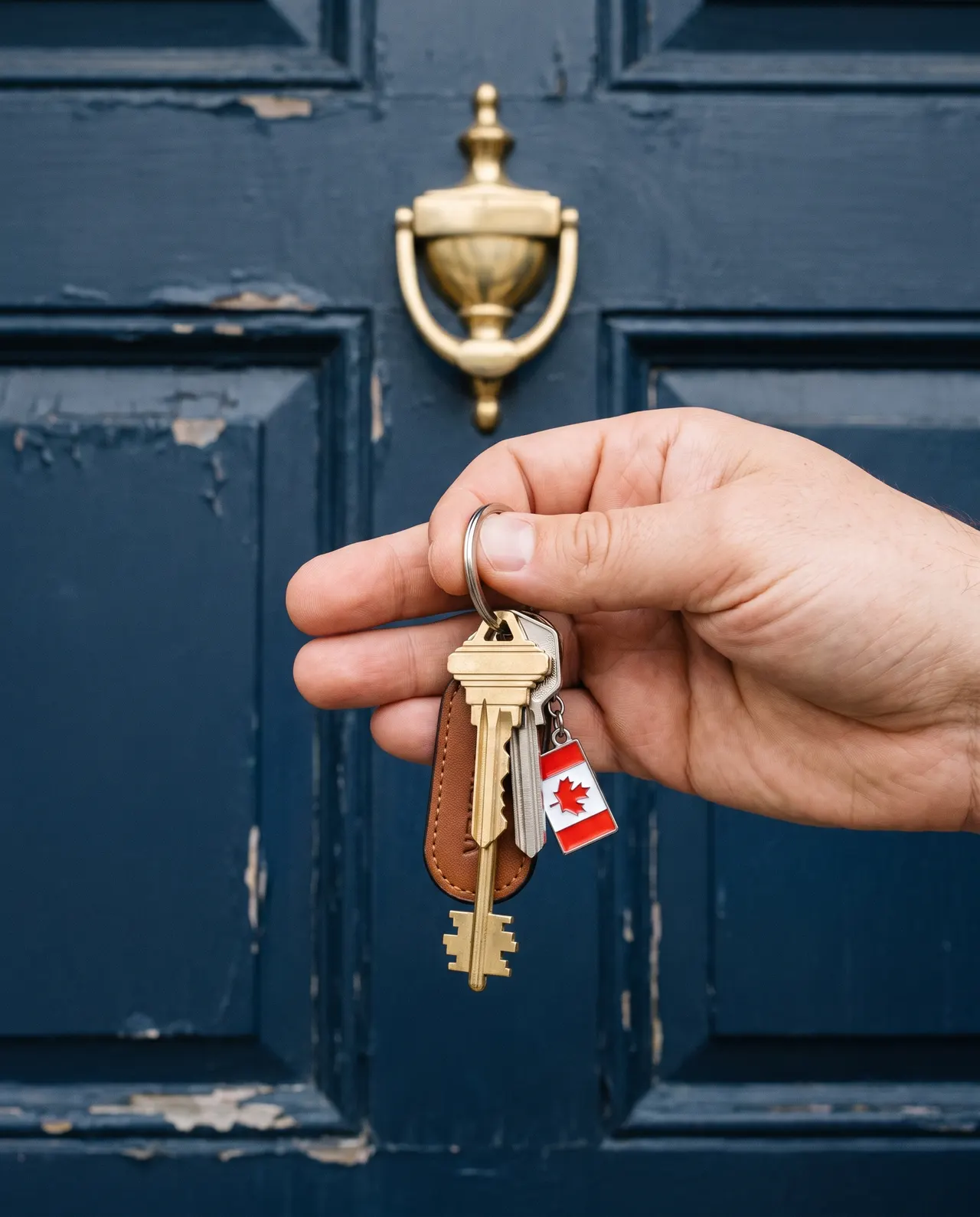
The days before
Your balance due on closing, as shown on the statement, should be in our trust account before the closing date. Large transfers can hit daily limits or be held for review, so arrange it a few days ahead. Before you send anything, confirm our trust account details by phone on a number you already have for us, never one in an email: wire fraud targets buyers in exactly this week. Make sure your home insurance starts on the closing date; the lender won’t advance without it.
On the day
Your lender sends the mortgage advance to our trust account, usually in the morning. We run final title and execution searches, then register the transfer and your mortgage electronically. Once registration is confirmed, we send the balance of the price to the seller’s lawyer, who pays out the seller’s mortgage and authorises the release of the keys, usually through the listing agent. Most closings complete in the afternoon; a late mortgage advance is the most common reason they run into the evening. Book movers with that in mind.
After the keys
Set up the utilities in your name from the closing date, and your property tax account if you pay it yourself rather than through your lender. Your reporting letter follows with the registered transfer, the mortgage and your title insurance policy. Keep it: you will want it when you refinance or sell. Buying with a partner or starting a family is also a good time to make or update your wills, so your share of the home goes where you intend.
Testimonials
First-time buyers on the process
Thanks to Wannes Law - I just closed on my first home! Rosalie provided exceptional legal services and went above and beyond- she is professional, highly reliable, extremely organized and passionate about the work she does. I highly recommend Rosalie for real estate law and any other legal matters. Thanks for all your support, and for making the first time home buying process so seamless.
Rosalie provided thorough and expert service on our home purchase. She was always responsive and ensuring our best interests were met. She responded to all questions thoroughly and did extra research on a particular feature of our property which we weren't familiar with. I found her rates reasonable, especially considering the high level of service we received. She made the process of buying our first home simple and easier to understand. I would definitely use her for another real estate transaction and will be recommending her to friends and family.
Questions
Questions from buyers
When should I contact a lawyer when buying a home?
As soon as your offer is accepted, and ideally before your conditions expire. If it’s a condo or POTL, send the status certificate as soon as you receive it. We need the agreement and your mortgage instructions at least five business days before closing for the standard fee to apply.
What happens to my deposit?
It is held in trust, usually by the listing brokerage, and credited to you on closing as part of the price. If you fail to close on a firm deal, the seller can generally keep it and claim any further loss.
How much can a first-time buyer save on land transfer tax in Toronto?
As of 2026, up to $4,000 from Ontario and up to $4,475 from the City of Toronto. Outside Toronto only the provincial refund applies. You must never have owned a home anywhere, and must move in within nine months.
Do I need title insurance?
It isn’t required by statute, but almost all lenders require it. It protects against covered title problems such as fraud, forgery, errors, and many issues a current survey would have revealed. We place it through Stewart Title, which sets the premium.
Can I buy a house that has a tenant and move in myself?
Often, yes. For a building with three or fewer units, or a condo unit, the seller can give the tenant 60 days’ notice for the buyer’s own use and must pay the tenant one month’s rent. A tenant who disputes the notice can’t be removed without a Landlord and Tenant Board order, so your agreement needs clear terms on vacant possession.
What time will I get my keys?
After the transfer is registered and the funds reach the seller’s lawyer, which is usually in the afternoon. A late mortgage advance is the most common cause of delay.
Can I sign without coming to the office?
Yes. We review the documents with you by video while you sign on paper, and you courier the originals to our office.
What if my closing isn’t standard?
Investment properties, occupancy closings on new builds, additional mortgages or lines of credit, and bridge loans are priced beyond the standard fee. The quote tells you before you retain us.
Related
Other real estate services
Areas We Serve
Serving clients across Toronto and the GTA
From our Toronto office we act for clients across the Greater Toronto Area, including Durham, York and Peel regions: Markham, Richmond Hill, Pickering, Ajax, Whitby, Oshawa, Mississauga and Brampton.
-
Scarborough
Real estate lawyer for Scarborough clients. Our office is on Sheppard Ave E.
-
North York
Real estate lawyer for North York clients.
-
Markham
Real estate lawyer for Markham clients.


Here to help
See your purchase legal fee now.
Enter your price for an instant quote, or book a free 15-minute call to talk through your agreement.
Prefer to talk now? Call (647) 707-7718 · Service in English, Armenian and Arabic