

Included
What the seller’s lawyer does, and what the fee covers
A seller’s lawyer has three jobs: make sure you can give the buyer the clear title you promised, pay off everything registered against the home from the sale proceeds, and get the balance to you on closing day. The overview of all real estate work is on our real estate law page.

Included in the legal fee
- Review of the agreement of purchase and sale and amendments
- Answering the buyer’s lawyer’s requisitions on title
- Mortgage payout statement, payout and discharge
- Preparing the transfer and closing documents
- The statement of adjustments, reviewed with you
- One signing appointment, at our office or by video
- Reporting letter and post-closing follow-up
Common situations
- Selling to upsize or downsize
- Selling while buying another home; one quote covers both
- Selling a matrimonial home, together or on separation
- Selling as an estate trustee after a parent dies
- Selling under a power of attorney for property
- Selling while living outside the GTA or outside Canada
How it works
The sale, step by step
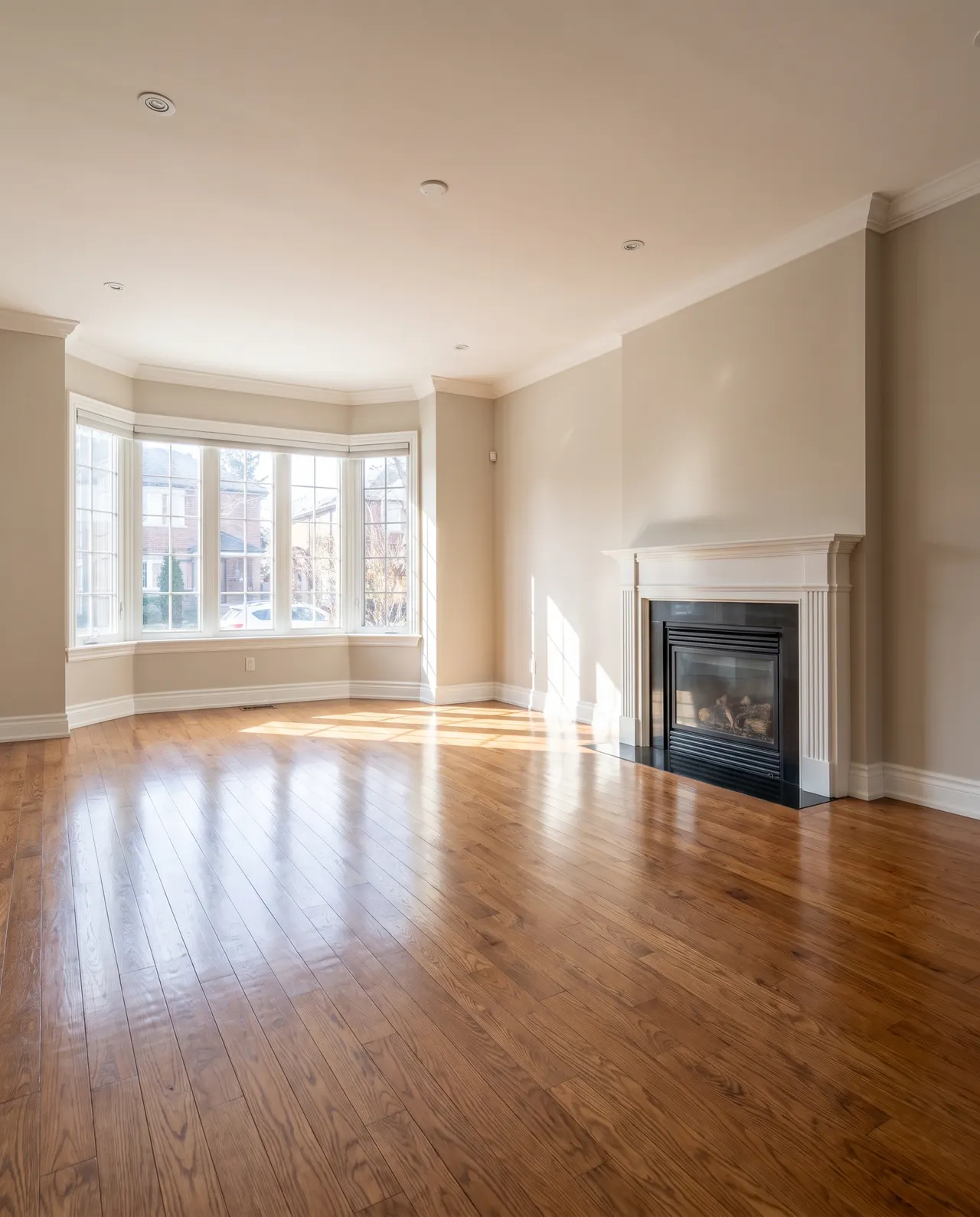
A sale needs less paperwork from you than a purchase, but it has fixed deadlines of its own: the requisition date, the payout statement, and vacant possession on closing day.
-
Step 1: Send us the firm agreement
With any amendments and waivers, the details of every mortgage and line of credit secured on the home, and the names of everyone on title. If a spouse, co-owner or estate is involved, tell us now; it changes who has to sign.
You provide
- Agreement of purchase and sale and amendments
- Mortgage and line of credit account details
- Government photo ID for each seller
-
Step 2: Title and requisitions
The buyer’s lawyer searches title and sends requisitions: questions and demands about anything registered on title or missing from it. We answer them, and arrange to remove anything that must come off, such as your mortgage or an old lien.
We handle
- Title review
- Answers to the buyer’s requisitions
-
Step 3: Payout statements
We order a payout statement from each lender for the closing date. It shows the balance, interest to closing, any prepayment charge and the discharge fee, and it is what we pay on closing day.
We handle
- Payout statements from your lenders
-
Step 4: One signing appointment
We go through the transfer, the statement of adjustments and a direction on where your proceeds go, then you sign at our office or by video. Sellers usually sign a few days before closing.
-
Step 5: Closing day
The buyer’s lawyer sends the balance of the price. We pay out your mortgage and any other charges, give the undertakings that go with them, and send the balance of the proceeds to you. You leave the keys with your agent as arranged.
We handle
- Paying out the mortgage
- Sending your proceeds
-
Step 6: Reporting and follow-up
You receive a reporting letter, and we follow up until your mortgage discharge is registered on title, which is what our undertaking to the buyer’s lawyer promises.
Why Wannes Law
A Toronto law firm that keeps you informed
-
A licensed Ontario lawyer
Rosalie Wannes, licensed by the Law Society of Ontario, is responsible for your file from start to finish.
-
Fees before you commit
Instant online quotes and published flat fees, so you know the cost before you retain us.
-
Every step explained
Plain-language explanations of what happens, what you provide and what we handle, at every stage.
-
Direct access
Reach your lawyer and law clerk directly by phone and email while your matter is underway.
-
Sign in person or remotely
Meet at our Sheppard Ave E office in Toronto, or review documents by video and courier the originals.
-
English, Armenian and Arabic
Talk through your matter in the language you are most comfortable with.
Your mortgage
Paying out your mortgage: penalties, lines of credit and the discharge
Selling before your mortgage term ends usually means breaking it, and the cost can be significant. Look at it before you set a closing date, not after.

Prepayment penalties
A closed mortgage paid off before the end of its term carries a prepayment charge. For many fixed-rate mortgages it is the higher of three months’ interest and an interest rate differential, which compares your rate with the lender’s current rate for the rest of your term. How the differential is calculated varies by lender and is set out in your mortgage terms. The Financial Consumer Agency of Canada explains how prepayment penalties work. Call your lender for an estimate before you list, and ask whether you can port the mortgage to the home you are buying, which can avoid the penalty.
Lines of credit and collateral charges
A home equity line of credit is often registered as a collateral charge that can secure more than the current balance. Paying it off on closing isn’t enough: the account has to be closed so the lender will discharge the charge. We give the lender written instructions to close it, and you should stop using the line and any linked cards once the sale is firm.
The discharge and our undertaking
On closing day the buyer takes title before your mortgage is off it. That works because we give the buyer’s lawyer a written undertaking to pay the mortgage out from the proceeds and have the discharge registered. The lender then registers the discharge, or sends it to us to register, and we follow up until it appears on title. The same applies to any other lien, such as a registered rental-equipment contract or a writ against a seller.
The numbers
The statement of adjustments, and what you actually walk away with
Your proceeds are the sale price less everything that has to be paid on closing. We show you the calculation before you sign.

Credits and debits
The statement of adjustments balances what you and the buyer owe each other on closing day. The buyer is credited with the deposit already paid. You are credited for anything you prepaid past the closing date: property tax instalments already paid for the rest of the year, condo common expenses paid for the month, or fuel left in an oil tank if the agreement provides for it. If property tax for the year hasn’t been paid up to closing, the buyer is credited with your share instead. If the home is rented and you hold a last month’s rent deposit, the buyer is credited with it.
Real estate commission
The deposit is usually held by the listing brokerage. On closing it is applied to the commission and HST owed under your listing agreement; if the deposit is more than the commission, the brokerage pays you the excess, and if it is less, we pay the shortfall from your proceeds on your direction.
From the balance
From the balance due on closing we pay out your mortgage and any line of credit, any other registered charge, and our fee and disbursements. What is left goes to you by wire or cheque, or, if you are buying another home the same day, straight into that purchase. Selling and buying together is the most common way sellers fund their next down payment, and we can act on both sides.
What you must deliver
On closing you must give vacant possession, unless the agreement says a tenant stays, along with the chattels and fixtures the agreement lists, in the condition it promises. Leave the keys, garage openers and any building fobs with your agent. The buyer’s lawyer may ask for a declaration that you are not a non-resident of Canada and that there are no unpaid work orders or rental contracts beyond those disclosed.
Tax on the sale
Tax when you sell: principal residence, flipping and non-resident sellers
Selling your own home usually isn’t taxed. But it still has to be reported, and three situations change the answer.

Your principal residence
A gain on the sale of a home that was your principal residence for every year you owned it is generally not taxed. Since 2016, though, you must report the sale and designate the home on Schedule 3 and Form T2091 of your tax return for the year you sell, even when no tax is owed; the CRA explains the principal residence rules and reporting. A rental property, a cottage you didn’t designate, or a home you lived in for only part of the time can produce a taxable capital gain. Speak to your accountant before closing.
Selling within a year
Under the federal residential property flipping rule, the profit on a home held for less than 365 consecutive days is generally taxed as business income, and the principal residence exemption isn’t available, unless the sale was because of a listed life event such as a death, a separation, a new job, the birth of a child or a serious illness.
Sellers who aren’t resident in Canada
Tax residency, not citizenship, is what counts. A non-resident who sells Canadian real estate must notify the CRA within 10 days of the sale under section 116 of the Income Tax Act and obtain a certificate of compliance. Until the certificate is produced, the buyer can withhold 25% of the price, or 50% for certain property, because the buyer is otherwise liable for the seller’s tax. In practice the buyer’s lawyer holds that money back from your proceeds. The CRA sets out the section 116 requirements for non-resident sellers. If you have moved abroad, tell us at listing, not at closing: the certificate takes time, and you will want a tax adviser involved.
Estates, spouses and attorneys
When the seller isn’t simply the owner: estates, spouses and powers of attorney
Who is entitled to sign matters as much as what is signed. These are the sales where that question needs an answer first.

Selling a parent’s home as estate trustee
If the owner has died, the property is sold by the estate trustee named in the will, or appointed by the court. Where the deceased owned the home alone, a buyer’s lawyer and lender will usually require a Certificate of Appointment of Estate Trustee (probate) before closing, so apply early and set the closing date with the court’s timing in mind; our probate and estate administration page explains the application. If the home was owned jointly with a surviving spouse, the survivor usually owns it already and probate isn’t needed for it; the deceased owner is removed from title by a survivorship application instead. Our guide on what to do when someone dies in Ontario sets out the order of steps.
A matrimonial home
Under Ontario’s Family Law Act, a married spouse can’t sell or mortgage a matrimonial home without the other spouse joining in or consenting, unless a separation agreement or court order releases it, even if only one of them is on title. We confirm spousal status with every seller. On separation, the sale usually follows the terms of the separation agreement or court order, including who receives the proceeds, and sometimes they are held in trust until the spouses agree.
Selling under a power of attorney
An attorney for property can sign for an owner who can’t, if the power of attorney allows it and is valid. We review it well before closing, and the buyer’s lawyer will want to see it. If you are planning ahead for a parent, our page on a power of attorney for property explains what the document should cover.
Fees
Sale legal fee
Sellers also pay disbursements, such as the government fee to register the mortgage discharge and the Law Society transaction levy. They’re itemised in writing before closing. How real estate lawyer fees in Ontario add up
Get your instant quoteTestimonials
A seller on how it went
I greatly enjoyed every minute of working and communicating with Rosalie while finalizing the sale of our property. Being highly professional and conscientious she made the entire process easy to understand at every step of the way. She was quick and responsive through the process, addressed all our questions and concerns patiently. It took only a couple of days for Rosalie to organize the paperwork, arrange the mortgage discharge and get us ready to receive the funds on the closing date. The transfer of funds was fast and seamless too. She is super organized, reliable and competent and my number one to go to in case I need a lawyer again.
Questions
Questions from sellers

When do I receive the proceeds?
On closing day, once the buyer’s lawyer sends the funds and your mortgage and any other charges have been paid out. If you are buying another home the same day, the proceeds can go straight into that purchase.
Will I pay a penalty to discharge my mortgage?
If you break a closed mortgage before its term ends, usually yes. It is often the higher of three months’ interest and an interest rate differential. Ask your lender for an estimate before you list, and whether you can port the mortgage to your next home.
I’m buying and selling at the same time. Do I need two lawyers?
No. We act on both, and the quote tool prices them together. Try to close the sale first or on the same day, or arrange bridge financing.
Do I pay tax when I sell my home?
Not usually, if it was your principal residence for every year you owned it, but you must still report the sale and designate the home on your tax return for that year. Rental properties, homes held under a year and sales by non-residents are treated differently.
I live outside Canada. Can I still sell my Toronto home?
Yes, and you can sign by video. As a non-resident you must notify the CRA and obtain a clearance certificate; until then the buyer’s lawyer can hold back 25% of the price, or 50% for certain property. Start early.
Can I sell my parent’s house before probate?
You can list it and sign an agreement as the estate trustee named in the will, but if your parent owned it alone, the buyer’s lawyer will usually require a certificate of appointment before closing. Allow for that in the closing date.
Can I sign if I’m not in Toronto?
Yes. The signing appointment can be done by video while you sign on paper; the originals are couriered to our office.
Related
Other real estate services
Areas We Serve
Serving clients across Toronto and the GTA
From our Toronto office we act for clients across the Greater Toronto Area, including Durham, York and Peel regions: Markham, Richmond Hill, Pickering, Ajax, Whitby, Oshawa, Mississauga and Brampton.
-
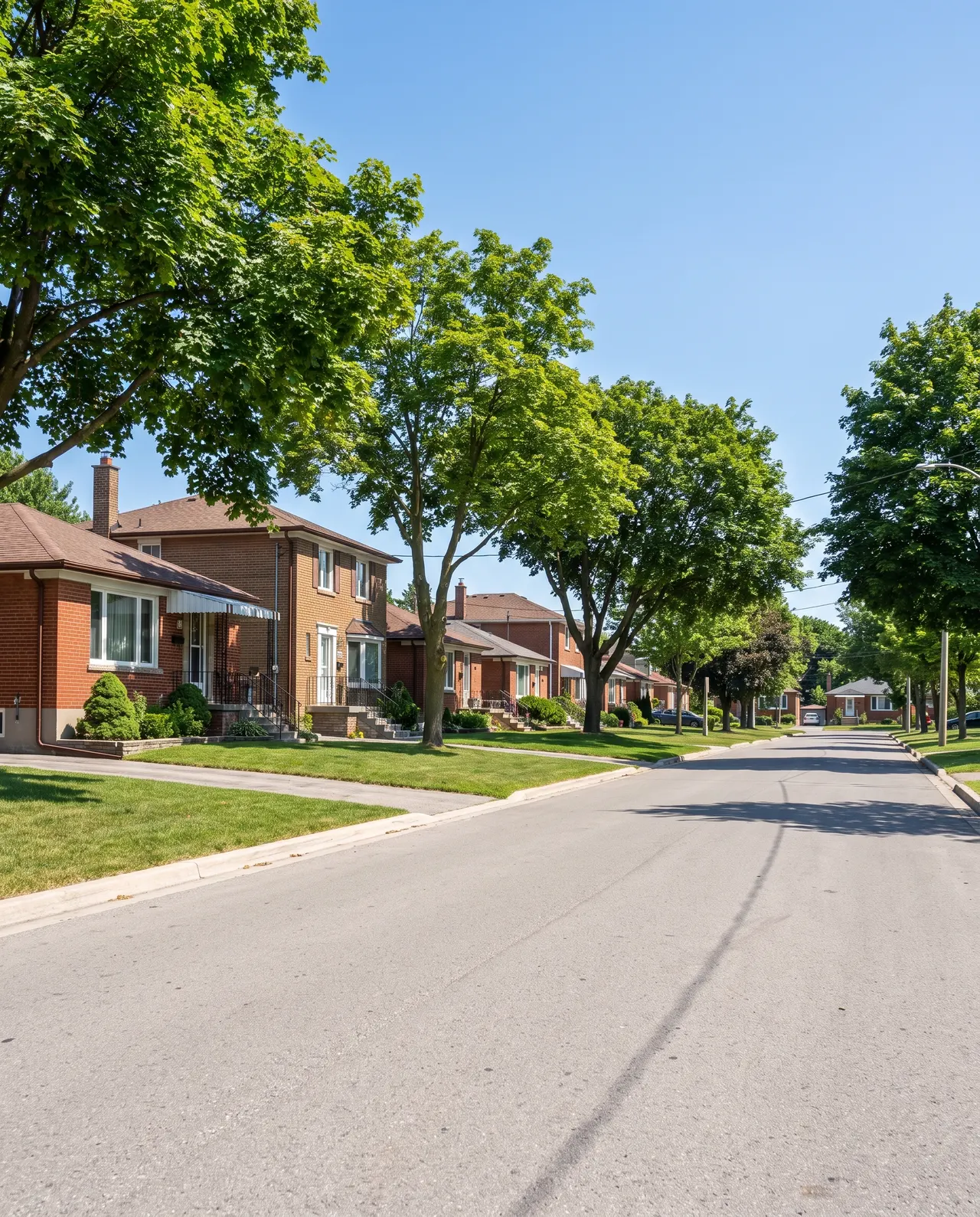
Scarborough
Real estate lawyer for Scarborough clients. Our office is on Sheppard Ave E.
-
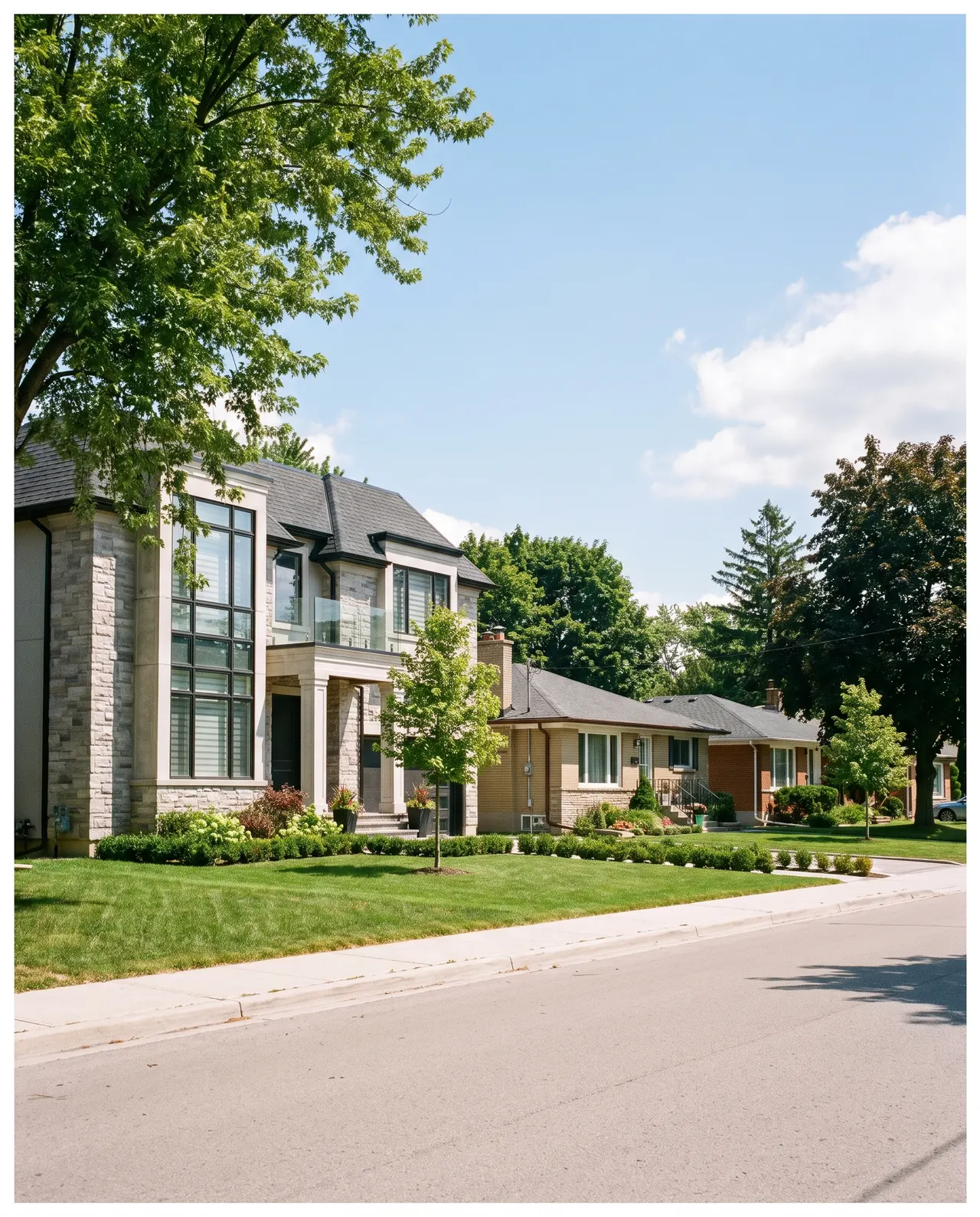
North York
Real estate lawyer for North York clients.
-
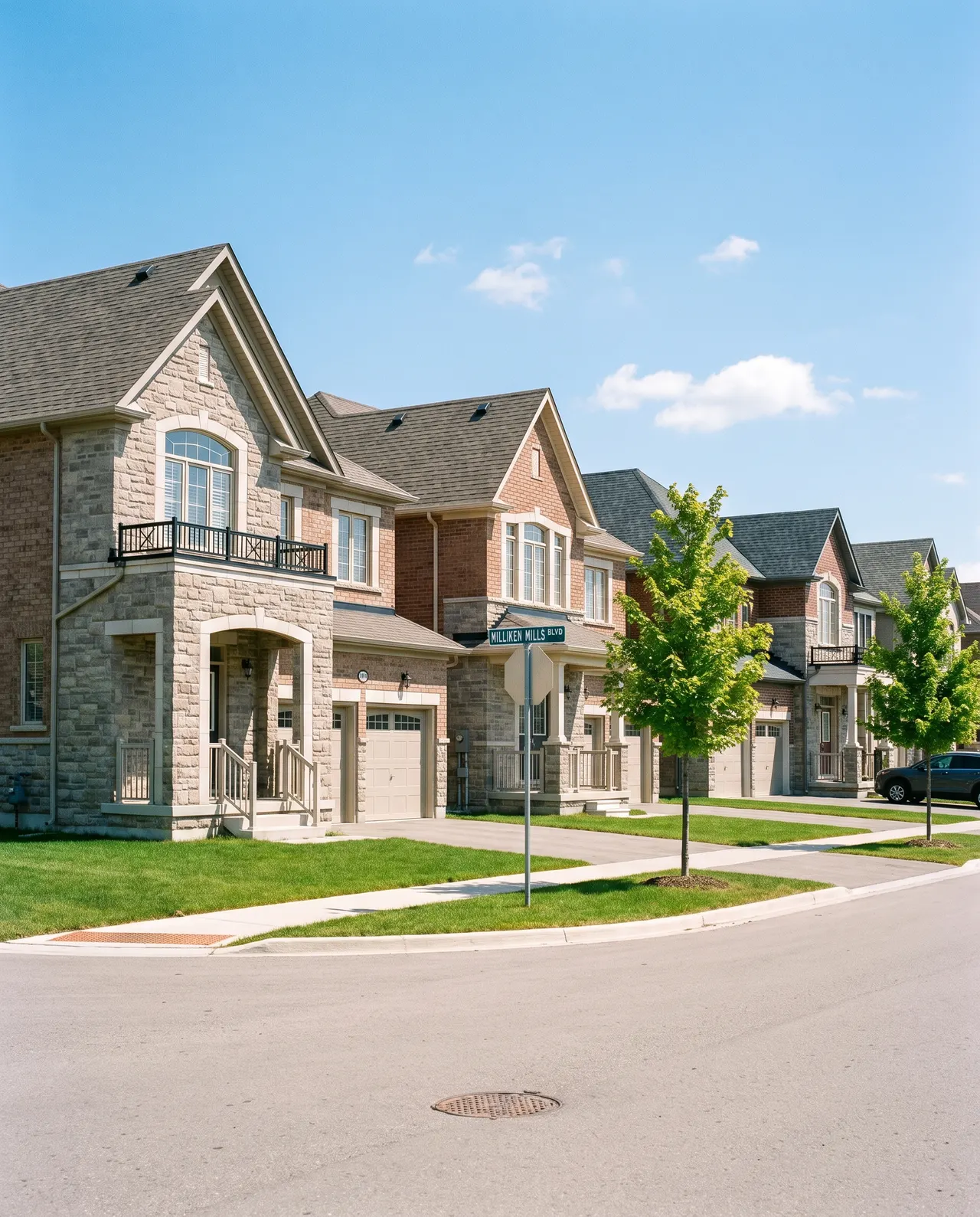
Markham
Real estate lawyer for Markham clients.


Here to help
Know your sale fee before you list.
Get an instant quote, or book a free 15-minute call.
Prefer to talk now? Call (647) 707-7718 · Service in English, Armenian and Arabic