

What to Do When Someone Dies in Ontario, and Whether You Need Probate
When someone dies in Ontario, a process starts almost immediately, and most people have never seen it before. There is no reason you would…
Services in English, Armenian and Arabic
Durham Region
The probate application goes to the Superior Court of Justice for the county or district where the person lived at death. For anyone who lived in Pickering, from Bay Ridges to Seaton, that is Durham Region.
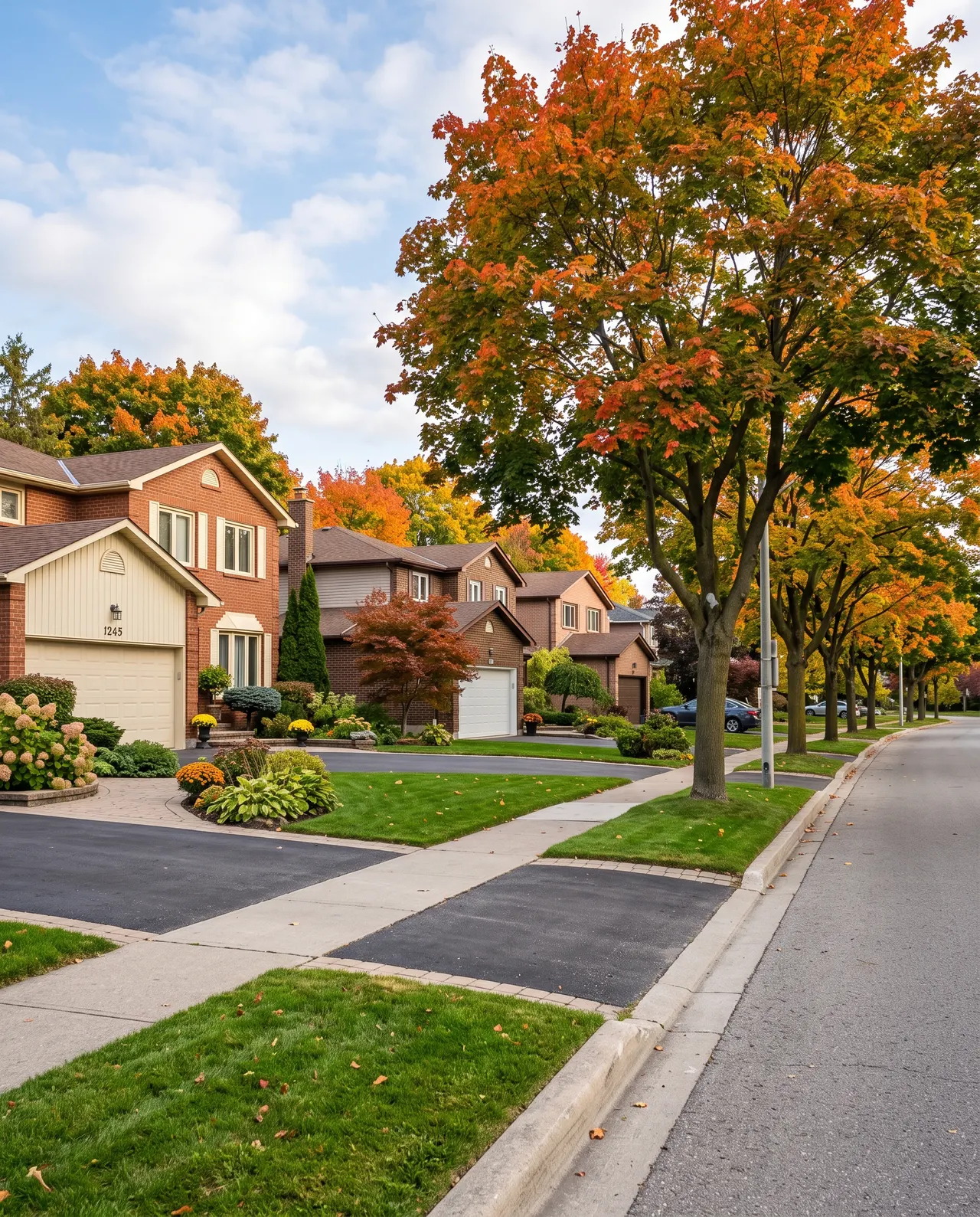
Durham’s Superior Court sits at the Oshawa courthouse, 150 Bond Street East. Nobody has to make the trip to file: Ontario accepts probate applications by email. The original will and the estate administration tax payment are the exceptions. The court’s electronic filing directions require them on paper, delivered in person, by mail or by courier, and we look after that.
Only where the person lived. A Pickering resident who owned a condo in Scarborough is a Durham estate. A Scarborough resident who owned a rental house in Pickering is a Toronto estate. The property outside the home region is still counted in the estate and still dealt with by the estate trustee; it just doesn’t change which courthouse issues the certificate.
Check whether probate is needed at all. A Pickering home owned by spouses as joint tenants passes to the survivor without it, and accounts with a named beneficiary usually do too. Our main probate and estate administration page sets out when probate is and isn’t needed, the forms and the estate trustee’s duties. If a certificate is needed and the estate is worth $150,000 or less, the simpler Small Estate Certificate may fit.
Both sides of the Rouge
A Durham court, but Toronto rules for the Toronto property. The estate trustee has to keep both in view.
Selling either property? We act on estate sales too; see our page on selling a home and our Pickering real estate page.
Why Wannes Law
Rosalie Wannes, licensed by the Law Society of Ontario, is responsible for your file from start to finish.
Instant online quotes and published flat fees, so you know the cost before you retain us.
Plain-language explanations of what happens, what you provide and what we handle, at every stage.
Reach your lawyer and law clerk directly by phone and email while your matter is underway.
Meet at our Sheppard Ave E office in Toronto, or review documents by video and courier the originals.
Talk through your matter in the language you are most comfortable with.
New homes
Pickering has new-home communities such as Seaton and Duffin Heights. When a buyer dies between signing with the builder and the closing date, the agreement becomes a problem for the estate trustee.
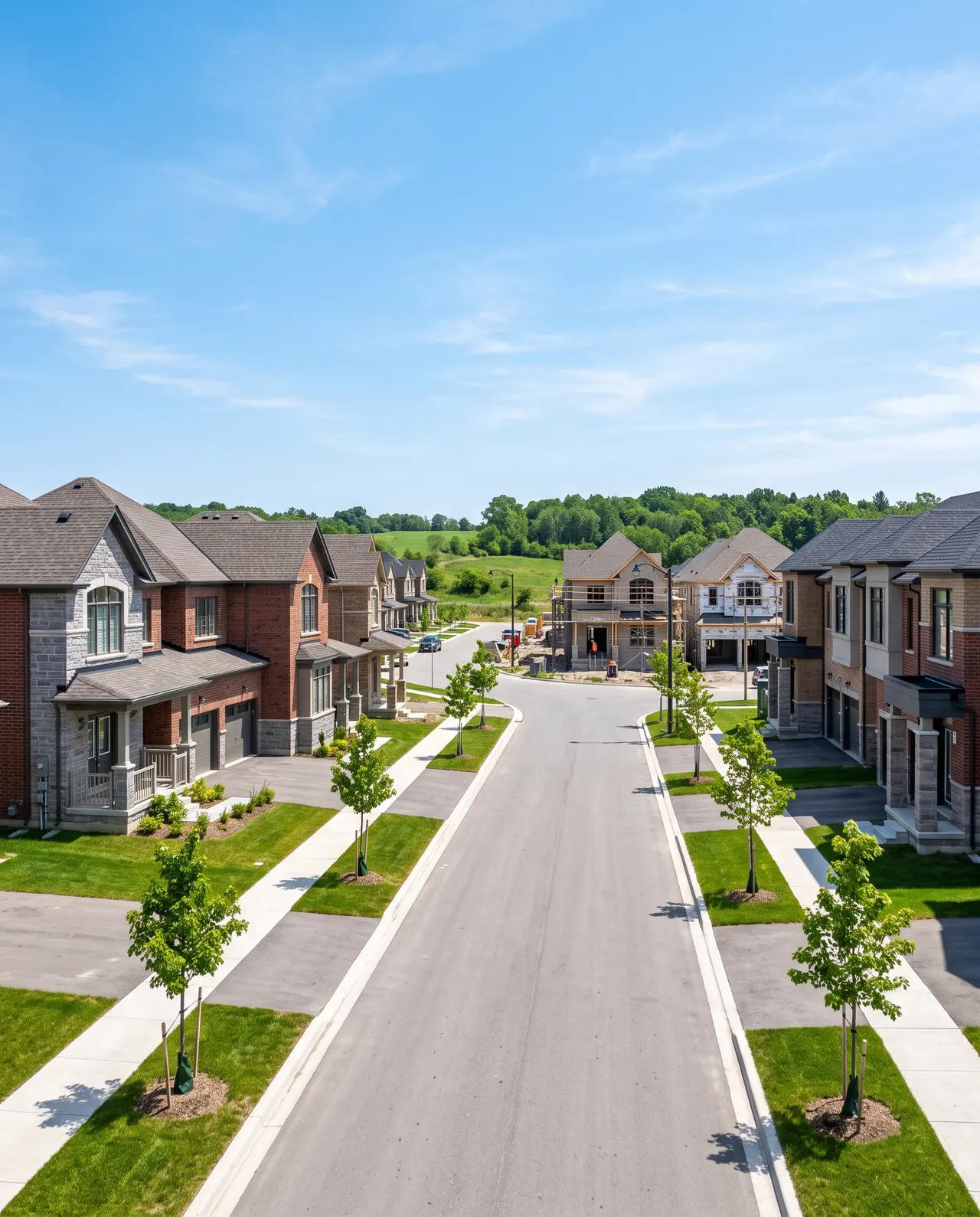
A purchase agreement doesn’t simply end when the buyer dies. As a general rule the estate steps into the buyer’s position, with the same obligations to close and the same rights to the home and the deposit. What that means in practice depends on the builder’s agreement, so it is the first document to read.
Don’t let the closing date arrive unannounced. Tell the builder in writing that the buyer has died and who is dealing with the estate, and send us the agreement and any amendments. We can explain the estate’s options, including closing, a family member taking over with the builder’s consent, or negotiating with the builder, and act on the closing if the estate goes ahead. Our pre-construction page explains how these agreements work.
Questions
With the Superior Court of Justice for Durham Region, at 150 Bond Street East, Oshawa. The application can be emailed; the original will and the tax payment go on paper.
No. The court is chosen by where she lived, so the estate is filed in Oshawa. The Scarborough condo is still part of the estate, and Toronto’s Vacant Home Tax declaration still applies to it while it is empty.
Usually not. A home held by spouses as joint tenants passes to the survivor, who registers a survivorship application with the death certificate to update the title. Probate may still be needed for other assets in the deceased’s sole name.
Ontario’s estate administration tax is nothing on the first $50,000 and $15 for every $1,000 above that (as of 2026). On a $900,000 estate that is $12,750. Our legal fee is quoted individually.
Generally the estate takes over the buyer’s obligations under the agreement. The builder’s agreement, the financing and whether a co-buyer survives all affect the options. Send us the agreement as early as you can.
No. Our office is at 3319 Sheppard Ave E in Toronto, just across the Rouge, but most estate work can be done by phone, email and video, with originals signed on paper and couriered.
Guides
When someone dies in Ontario, a process starts almost immediately, and most people have never seen it before. There is no reason you would…

Considering a pre-construction home in Toronto or the GTA? You’re not alone in eyeing one of Canada’s hottest real estate markets. Pre-construction homes promise…

A will is a legal document that outlines how a person's assets will be distributed after their death. It's an important part of estate…
Areas We Serve
We also act on estates from Ajax, Whitby and Oshawa, and across Toronto, York and Peel. Still planning? See our Pickering wills page.
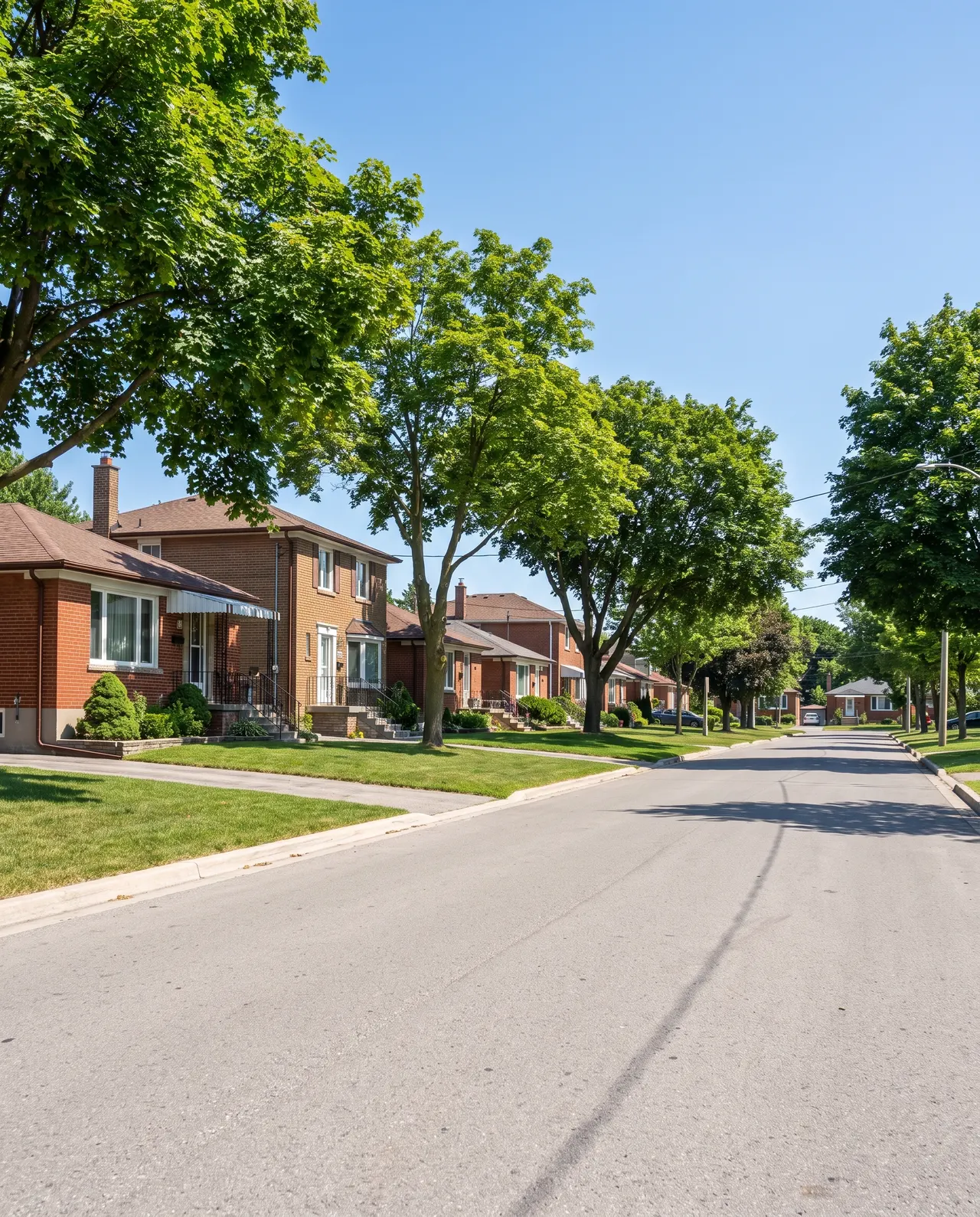
Probate & estates for Scarborough clients. Our office is on Sheppard Ave E.
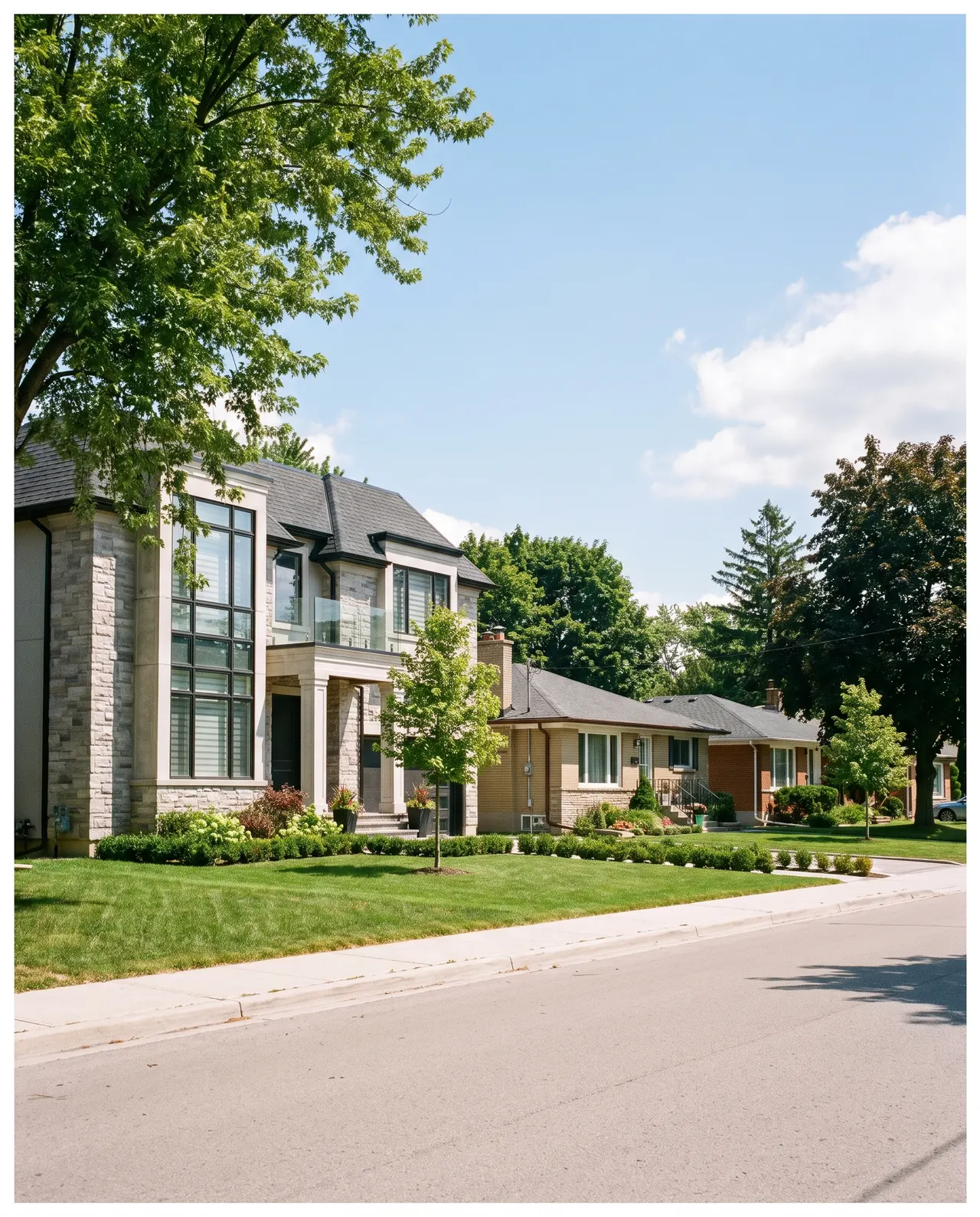
Probate & estates for North York clients.
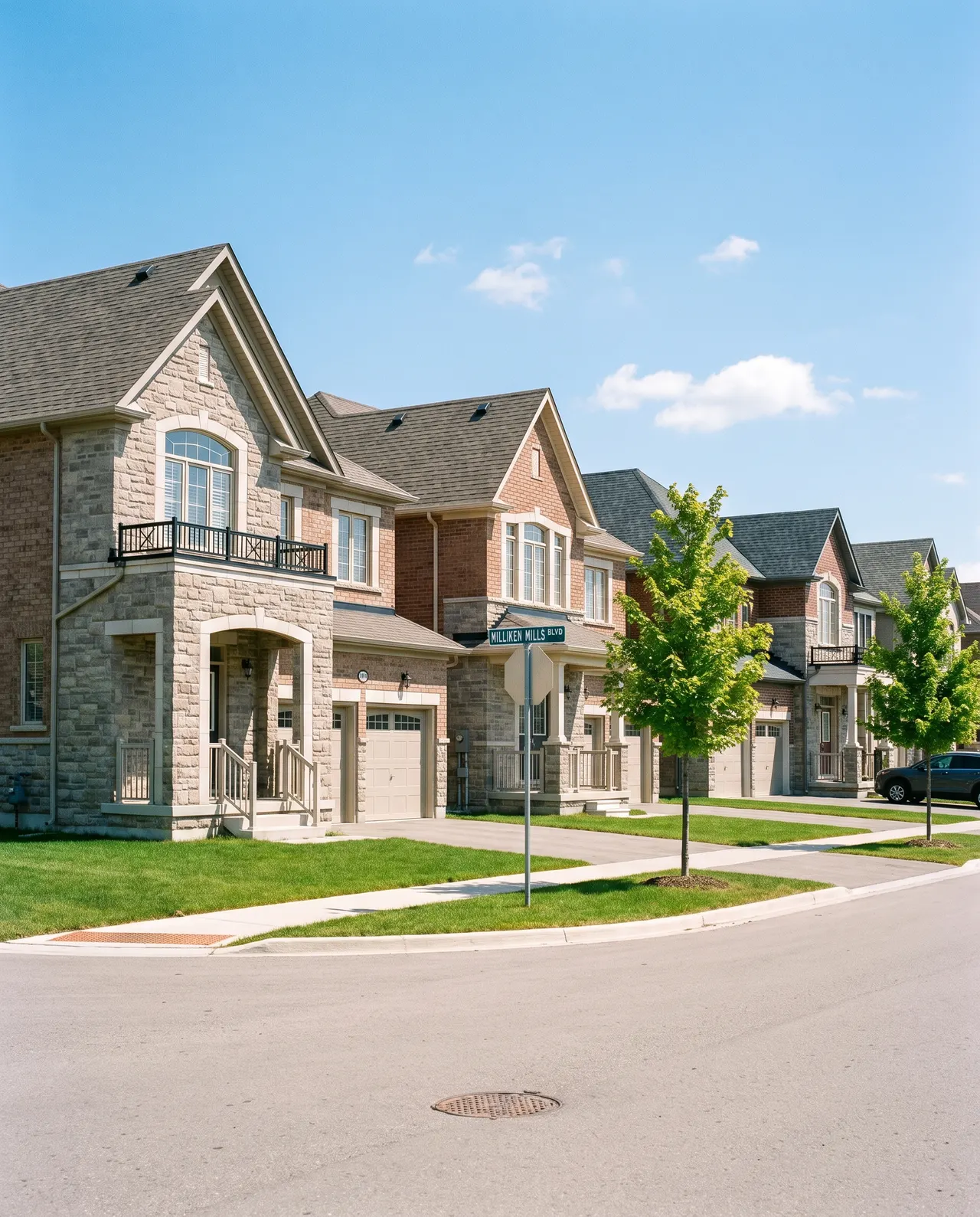
Probate & estates for Markham clients.

Here to help
Book a free 15-minute call, or answer the estate questions for a quote.
Prefer to talk now? Call (647) 707-7718 · Service in English, Armenian and Arabic
