

Services
Notarizing and commissioning
At our Sheppard Ave E office, for clients from Agincourt, Tam O’Shanter, Wexford and across Scarborough, North York and Markham. The two services sound alike but do different jobs, and Ontario’s guide to notaries and commissioners explains the difference.

Notarization
- Certified true copies. We compare your copy with the original and certify that it is a true copy, so you can send the copy and keep the original.
- Notarized signatures. You sign in front of us and we attest that the signature is yours, often for documents going to another country.
- Documents for use abroad. A notarized document can then be apostilled by Ontario’s Official Documents Services. A document that is only commissioned can’t be, so it matters which one you ask for.
Commissioning
- Affidavits. Written evidence you swear or affirm is true, for court and tribunal proceedings or a probate application.
- Statutory declarations. Declarations for government, immigration, insurance and other purposes.
- What the commissioner checks. Your identity and that you understand what you are swearing or declaring. A commissioner doesn’t verify that the contents are true; that remains your responsibility.
Notarization is done in person: Ontario requires the notary to be physically present. Affidavits and declarations can be commissioned by video in some cases under Ontario’s remote commissioning rules, where the receiving organization accepts it. When you need a commissioner of oaths
Common documents
What people usually bring
Most appointments fall into one of these groups. Whatever the document, bring valid government-issued photo ID; we have to confirm who you are before anything is certified, sworn or signed.

Certified true copies
- Passports, PR cards and other identity documents
- Degrees, diplomas and transcripts for employers, licensing bodies and universities
- Birth and marriage certificates
- Corporate and property records
Sworn or declared
- Affidavits for court and tribunal proceedings, and for probate applications
- Statutory declarations for government and immigration forms, such as a declaration of common-law union
- Declarations for lost or replacement documents
- Travel consent letters for children travelling without both parents
Before you come
- Ask the receiving organization exactly what it wants: a certified copy, a notarized signature, a sworn affidavit, an apostille or a translation
- Bring the original of anything to be copied, with every page
- Leave the signature line blank: you sign in front of us
- Make sure everyone who has to sign can attend, each with their own ID
Not sure whether your document needs a notary or a commissioner? Upload it in the quote form and we’ll tell you.
Why Wannes Law
A Toronto law firm that keeps you informed
-
A licensed Ontario lawyer
Rosalie Wannes, licensed by the Law Society of Ontario, is responsible for your file from start to finish.
-
Fees before you commit
Instant online quotes and published flat fees, so you know the cost before you retain us.
-
Every step explained
Plain-language explanations of what happens, what you provide and what we handle, at every stage.
-
Direct access
Reach your lawyer and law clerk directly by phone and email while your matter is underway.
-
Sign in person or remotely
Meet at our Sheppard Ave E office in Toronto, or review documents by video and courier the originals.
-
English, Armenian and Arabic
Talk through your matter in the language you are most comfortable with.
Outside Canada
Documents for use in another country
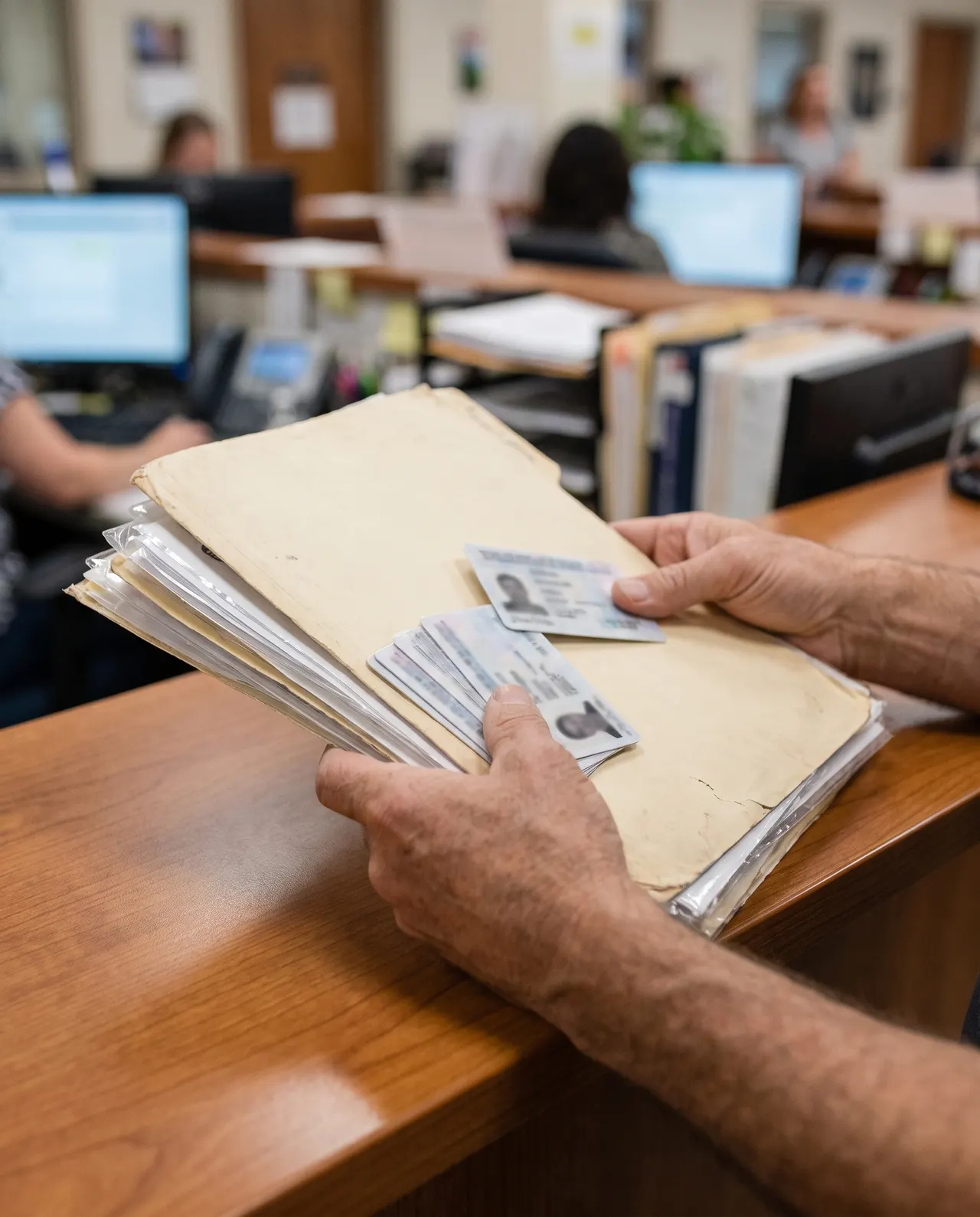
A document notarized in Ontario may need one more step before a foreign government, university or employer will accept it. Since January 11, 2024, Canada has been part of the Hague Apostille Convention: for countries that are also members, an apostille from Ontario’s Official Documents Services confirms the notary’s signature and seal. Countries outside the Convention may instead require the document to be legalized by their embassy or consulate.
Ask the receiving organisation exactly what it needs, whether a notarized original, a certified copy, an apostille or a translation, before your appointment. It saves a second visit.
How it works
Three steps, usually one short appointment

-
Step 1: Upload your document for a quote
Choose notarization, commissioner of oaths, or affidavit or declaration in the quote form and upload the document. Seeing it lets us send a detailed quote, tell you whether it needs a notary or a commissioner, and spot anything missing, such as a blank the receiving organization expects to be filled in.
You provide
- The document, or a clear copy of it
- Any instructions from the organization receiving it
-
Step 2: Book the appointment
At 3319 Sheppard Ave E, Suite 103, in Toronto. Notarized signatures and certified copies are always done in person. An affidavit or statutory declaration can sometimes be commissioned by video instead, if the organization receiving it will accept a remotely commissioned document; check with them first.
-
Step 3: Sign or certify
Don’t sign in advance: an affidavit or declaration is signed in front of us, after you confirm under oath or affirmation that it is true. For certified copies, bring the original and we compare them page by page before certifying. You leave with the completed document.
You provide
- Government-issued photo ID
- The original document for certified copies
- The unsigned document to be sworn or declared
We handle
- Confirming your identity
- Administering the oath or affirmation
- Completing and signing the certificate on the document
Fees
Quoted from your document

Notarization and commissioning fees depend on the document and the number of pages or copies. Upload it in the quote form for a detailed quote.
Questions
Notary and commissioning questions

Where can I find a notary public in Scarborough?
Wannes Law is at 3319 Sheppard Ave E, Suite 103, Toronto. Upload your document in the quote form for a detailed quote and to arrange a time; virtual services are available where permitted.
What is the difference between a notary public and a commissioner of oaths?
A commissioner of oaths takes affidavits and administers oaths, affirmations and statutory declarations. Certifying copies as true copies of an original and notarizing documents are notary services.
What should I bring?
Valid government-issued photo ID and the original document for certified copies. Don’t sign an affidavit or declaration in advance; you sign it in front of us.
Do I need an apostille?
If the document is going to a country that belongs to the Hague Apostille Convention, the receiving authority will often ask for one. After notarization, the apostille is issued by Ontario’s Official Documents Services. Check with the receiving organisation first.
Can you certify a copy of my passport or degree?
Yes. Bring the original and we certify the copy as a true copy of it. Upload the document in the quote form for a quote first.
Areas We Serve
Serving clients across Toronto and the GTA
From our Toronto office we act for clients across the Greater Toronto Area, including Durham, York and Peel regions: Markham, Richmond Hill, Pickering, Ajax, Whitby, Oshawa, Mississauga and Brampton.
-

Scarborough
Notary public for Scarborough clients. Our office is on Sheppard Ave E.
-
North York
In person on Sheppard Ave E, or fully remote.
-
Markham
Close by in York Region, in person or by video.


Here to help
Get the document signed, sworn or certified.
Upload it for a quote, or call the office to arrange a time.
Prefer to talk now? Call (647) 707-7718 · Service in English, Armenian and Arabic